Selecting the best liquid chalk for climbing, you will improve your performance in the gym and on the rock.
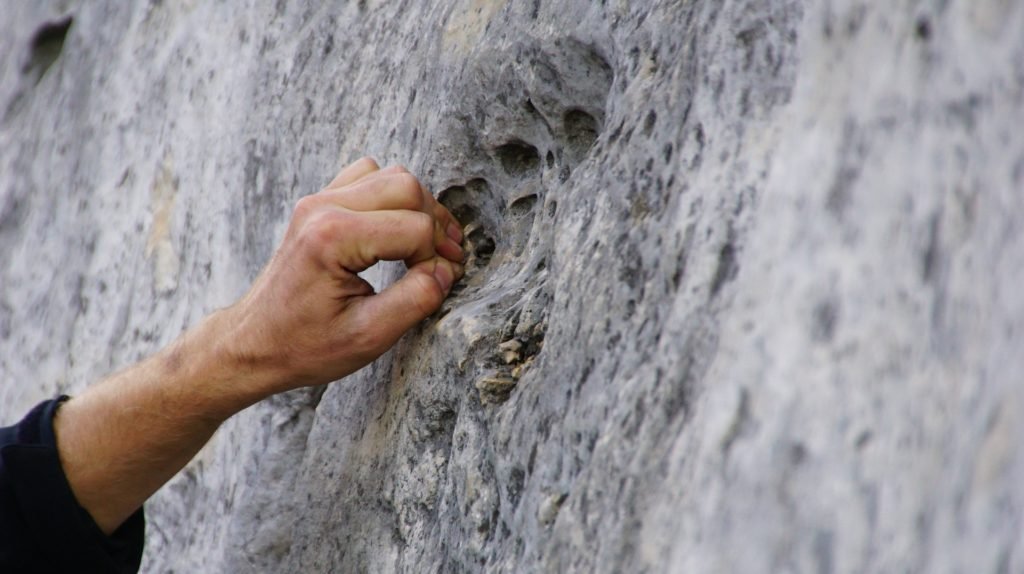
Climbers know that friction is the key to successfully sending routes. Sweaty hands will ruin your chances of getting to the top of that particularly difficult problem you have been working on.
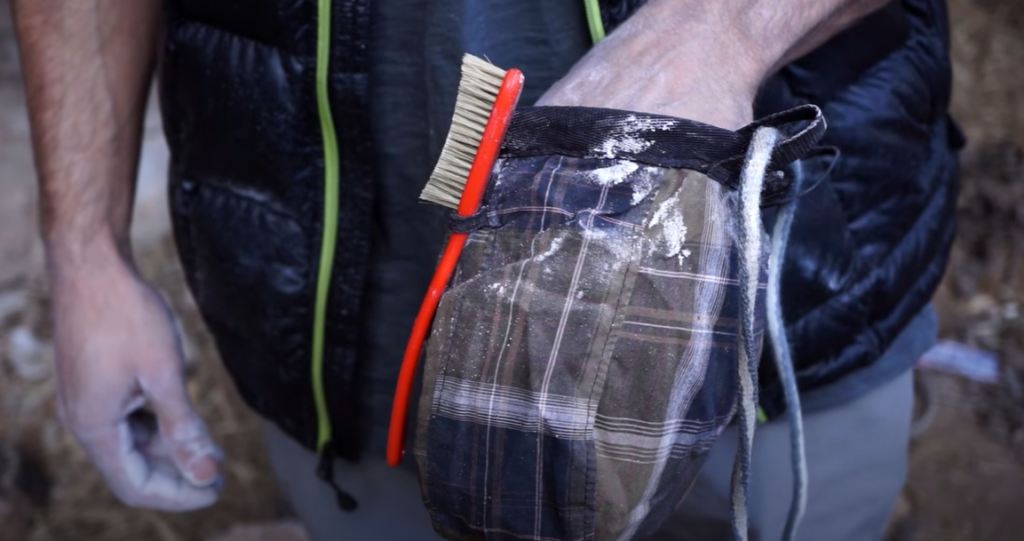
The solution to all this is of course to apply a generous amount of chalk as you climb to keep your hands dry. While chalk bags and buckets with loose magnesium are the most popular methods to apply chalk, liquid chalk in bottles may actually be a superior method.
What is Climbing Liquid Chalk?
The most basic formula for liquid chalk is magnesium carbonate mixed with alcohol. There are versions that incorporate more alcohol or more magnesium and will have different consistencies.
Other formulas also include water, rosin, and essential oils. This can help improve your grip, keep your skin from drying out too much, and improve the smell of the liquid chalk.
There are many combinations of magnesium carbonate, alcohol, water, and other additives that will result in different textures and have different results on your skin.
Why Use Liquid Chalk?
Liquid chalk, like any climbing chalk, will help you stick onto holds better. Compared to dry powder chalk products, liquid chalk works its way into all the crevices of your hands much deeper. Dry powdered chalk will produce a lot of dust while liquid chalk will not.
Pros and Cons of Liquid Chalk
Liquid chalk comes with both advantages and disadvantages when compared to regular powdered chalk.
In general, it stays on for a long time, much longer than traditional climbing chalk. You will see a clear benefit when you use liquid chalk on longer routes. Loose climbing chalk tends to get on everything when you use it, whereas liquid chalk stays only on your hands and helps keep your clothes cleaner. Liquid chalk is easy to apply and covers your hands much better than loose chalk, which tends to fall off easily.
One of the main downsides of liquid chalk is the price, on average it is more expensive than loose chalk. Another downside is the fact that you can’t really reapply liquid chalk while you are climbing. Many climbers choose to apply a small amount of liquid chalk on their hands before climbing and bring a chalk bag with loose chalk in case they need more while climbing.
Will Liquid Chalk Dry Out Your Hands?
Some people find that their hands dry out too much with liquid chalk. When you’re climbing, dry hands are a good thing. If you have dry hands already, make sure to use lotion or moisturizer after you have washed off any leftover climbing chalk. Some of the best liquid chalks for performance also tend to dry out your hands the most.
How to Use Liquid Chalk for Climbing?
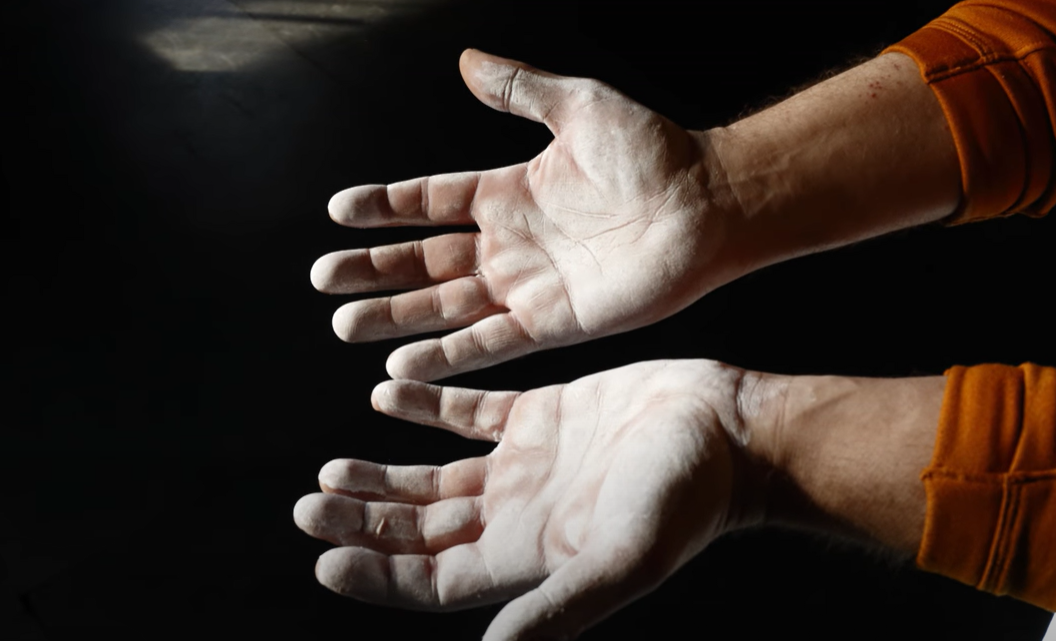
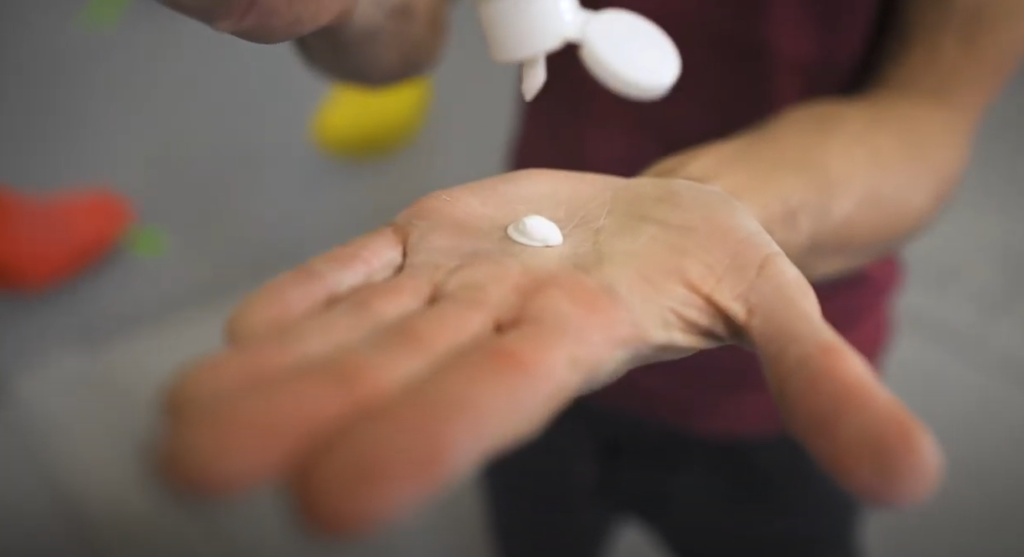
Liquid chalk is incredibly easy to use. Just squirt out a small amount onto your palm, rub your hands together and try to cover all your fingers. The liquid will evaporate in seconds and magnesium will be left covering your hands.
It’s best to start off using less than you would think is needed, liquid chalk can be deceptive and you don’t want to use too much. A little bit goes a long way.
How to Choose the Right Liquid Climbing Chalk
When choosing a liquid climbing chalk, consider what is the most important factor for you. You might want to choose a more affordable option just to test it out and see if you like it. If you’re worried about the smell, look for a good liquid chalk that doesn’t have any extra additives beyond magnesium carbonate and alcohol.
Make sure you read some reviews of the chalk you choose and see what people have to say about it.
What is the Best Liquid Chalk for Climbing?
We looked at the top liquid chalk products from different companies. Different liquid chalks perform well in different ways. Some liquid chalks are better for those looking for good coverage on long rock climbs, others are best for those who have sensitive skin.
We broke down the best liquid chalks to use for all types of rock climbing. Check out our detailed reviews where we go over different aspects of the best liquid chalks and recommend them based on category performance below.
1. Best Liquid Chalk Overall: Black Diamond Black Gold


When Black Diamond first started selling liquid chalk, they used the same formula they do on their popular Black Diamond White Gold line of loose chalk. Black Gold improves on that formula significantly.
By adding upsalite to their time tested white gold magnesium compound, they increased the amount of drying power in the liquid chalk.
Upsalite is essentially a hyper-porous version of magnesium which has more surface area and therefore performs better as a climbing chalk. Without going too much into the science, the physical properties of this specialized version of magnesium allow it to keep your hands drier for longer and keep you moving confidently on the rock.
With Black Gold, Black Diamond has raised the bar on all liquid chalks. It is the most absorbent liquid chalk on the market, and it gives your hands an unmatched level of friction on small crimps and flat slopers. If you are climbing long and hard routes and want to make sure your chalk will last the whole way up, Black Gold is the best choice.
It’s definitely not the cheapest option, but it provides the best performance and that’s what earned it the status as the best liquid chalk for climbing overall.
2. Best Liquid Chalk Runner Up: Friction Labs Secret Stuff
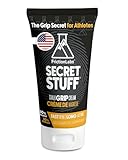

Friction Labs has been around for a few years now putting out different kinds of high-quality climbing chalk. Unlike many other companies that produce chalk alongside other rock climbing products, Friction Labs specializes in chalk. Their line of liquid chalk is a creamy mixture of alcohol and magnesium carbonate.
While Secret Stuff doesn’t perform quite as well as Black Gold, you do get more in quantity for the same price. In both cases, you only need to apply a little bit to get total coverage on your hands, so Secret Stuff feels like a more economical choice in comparison to Black Gold.
We found that the Friction Labs liquid feels creamier and dries into a more powdery layer on your hands than most of its competitors. This great feel is a real confidence booster as well, oftentimes leading you to send harder than you would otherwise.
It is an amazing product that has definitely been tested thoroughly. We found that it doesn’t leave your skin as dry as most other options available, which is really great for those who suffer from chronically dry skin.
For upping your rock climbing game, Secret Stuff is a great option to have at your disposal.
3. Best Liquid Chalk for All-Day Performance: Fire Team Fit Grip


Fire Team Fit Grip wasn’t specifically designed with climbers in mind. Instead, it was designed for use by weightlifters gymnasts as well as climbers. It still does a fantastic job as a climbing chalk. Fit Grip lasts a long time on your hands, and may only need to be reapplied once per session.
One thing we really liked about Fit Grip liquid chalk is the design of the bottle, which has a small carabiner attached. While this might not be important for those using liquid bouldering chalk, it’s very nice for those who want to use something that lasts a long time on multi-pitch routes.
The consistency of Fit Grip isn’t as powdery as Black Gold or Secret Stuff, however, we found it works just fine as an all-day liquid chalk at the crag or in the gym. It has a higher percentage of alcohol than climbing-specific chalk. This means it is more liquid and has great coverage. It comes in a 50ml bottle with a 250ml refill included.
When compared to other top-ranking options, Fit Grip is decent on price.
Another great benefit of Fit Grip liquid chalk is that it’s virtually odorless, unlike most other liquid chalks which tend to have a funny smell.
Fit Grip is a great liquid chalk to have strapped onto your harness during any long, difficult route where you know you will need to have good friction to send.
4. Best Liquid Chalk for Joint Pain Relief: KletterRetter SEVENTY
One common theme amongst rock climbers are sore fingers and aching hands. When we crimp, a lot of force goes out onto relatively small digits, and injuries are common. In fact, pulley injuries are the number one reason why climbers are forced to stop climbing for recovery.
Usually, chalk doesn’t help at all with climbing-related finger injuries.
KletterRetter, in the spirit of German innovation, developed a liquid chalk for climbing that is specially designed to help ease pain and inflammation after your session is over.
The secret in their SEVENTY chalk is the alcohol, which has been infused with rosemary oil. Rosemary oil is known for its natural anti-inflammatory properties. By applying this as you’re climbing, you greatly reduce your chances of having sore and swollen hands the next day. Once the alcohol evaporates, the chalk doesn’t feel very different than any other liquid chalk.
As far as performance goes, we found it to be very similar to the other options on this list. It dries out quickly and covers well, giving you the friction you need to send.
Another benefit of the SEVENTY’s rosemary-infused formula is the pleasant smell. It’s just a great addition that really takes this chalk to the next level.
If you frequently suffer from joint pain in your fingers after climbing and are looking for a solution that doesn’t include taking pain pills, SEVENTY from KletterRetter is an excellent choice.
5. Best Budget Liquid Chalk: Petzl Power Liquid

The one major downside of most liquid chalks is their high price compared to the dry version. Many people never try a liquid option simply because they don’t want to spend the extra money on something they don’t know will improve their rock climbing dramatically.
Luckily, Petzl has made a more affordable version that still performs well when compared to other more expensive options.
It has great coverage and really stretches out well. It doesn’t last as long as the other top picks, however. A great idea is to apply some of the Petzl Power Liquid at the beginning of your session and use a regular chalk bag or chalk bucket to add another layer on top as needed. This way, the micro ridges in your finger will be filled with the liquid layer first and then you can cake on extra chalk which will be left behind on the wall.
Power Liquid is a simple, affordable way to increase your performance at the gym or crag without breaking the bank.
Common Questions & Answers
1. Will liquid chalk make my skin dry?
The short answer is yes. All chalk for climbing dries your hands out to a certain extent. Given that sweaty hands reduce friction, this is a good thing. However, because of the alcohol in liquid chalk, your skin will be even drier after you’re finished.
People with chronic skin issues, like those with eczema, should be aware of this before using liquid chalk. However, if you are diligent and use a moisturizer after every session, you most likely won’t have a problem.
2. Does liquid chalk kill the coronavirus?
There is evidence that the alcohol in liquid chalk can kill the coronavirus. This is a promising indication for those who are hoping to return to gyms and crags but are afraid of coming into contact with the coronavirus.
However, remember that this only works if everyone is using liquid chalk. Much like a mask, it works better to stop the spread of coronavirus if all parties involved are using it.
Another thing to remember is that while liquid chalk can prevent the spread of coronavirus on holds and other things people touch, climbing indoors still presents a risk of airborne transmission.
You can absolutely replace dry chalk with liquid chalk as a way to lower your chances of contracting or passing on the coronavirus. Just remember, you still need to use common sense and practice other safe habits such as washing your hands, social distancing, etc.
3. Is liquid chalk messy?
In general, liquid chalk is far less messy than regular powdered chalk. It doesn’t produce any dust when you initially apply it because it is wet. Once it dries on your hands, it tends to stay there much better as well. Just remember not to touch your face or clothing, it will still leave white marks if you do that. The bottles that it is kept in are much better sealed than a chalk bag and won’t leak in your backpack.
4. Is liquid chalk good for climbing?
Absolutely, it is a product that is used by many of the world’s top climbers during difficult ascents. Liquid chalk penetrates deeper into the skin than powdered chalk and helps you get an edge when pulling hard on small holds. Usually, one application is enough for an entire route so you won’t have to worry about chalking up mid-route.
5. Is liquid chalk better?
It depends on what your requirements are. In terms of performance, it outdoes powdered chalk in pretty much every way. It is longer lasting, less messy, better at keeping your hands dry, and covers better than dry chalk. However, there are drawbacks like the price, the difficulty of application mid-route, and drying time.
6. How long does liquid chalk last?
Once it has been applied, liquid chalk lasts much longer on your hands than dry chalk would. Usually, one or two applications will be enough to last the entire day. Of course, this all depends on how much you tend to sweat through your hands. If you sweat more, you will have to do multiple applications during the day to keep a good layer.
Inside the bottle, liquid chalk will last up to a year if it is stored properly. Remember to always close the bottle tightly, otherwise the alcohol can dry out and become unusable.
7. Can you use liquid climbing chalk for other sports?
Definitely! Whether it’s for weightlifting, CrossFit, gymnastics, or any other sport that requires chalk, climbing-specific chalk will work great. This goes the other way around as well.
The basic principle is the same in every sport, it’s meant to keep your hands from slipping around too much by keeping them dry. The compounds in all sports chalks are very similar and using the best liquid chalk for climbing will keep you powdered free.