Seems like only yesterday you spent that $300 to get yourself a new pair of professional climbing shoes. Fast forward to today, and they look just about ready to retire. The worst part is it hasn't even been a year. What gives?
The unfortunate truth about climbing shoes is that they are prone to wearing out. Hey, if you were constantly scraping and pressed against rough rock, you'd probably be a little beat up too. The good thing though is that you can get those expensive shoes resoled. Now the question is when to resole climbing shoes, and is it really worth it?
What is Shoe Resoling?
Climbing shoe resoling is exactly what it sounds like. The process of a standard resole involves removing the rubber soles from old shoes and replacing them with new rubber. The reason? When the sole starts to wear out, you'll lose a lot of grip. This won't only overwork your feet and legs, but may also make you uniquely predisposed to accidents.
Resoling worn climbing shoes aims to restore that original grip, flex, and performance without the need for you to spend hundreds of dollars. For climbers with particularly expensive performance shoes, resoling is a standard practice that prevents the need for an early shoe retirement (see how long climbing shoes last here).
During the resole process, there are two specific parts of the shoe rubber that receive particular attention. The first is (obviously) the sole. This is the thick outer layer of soft, tacky rubber that extends across the length of the underside of the shoe. Most of the pressure and friction is directed towards the soles, so they're likely to wear out much faster especially under the toes.
The second part that resoling attempts to repair is the rand. Rand repair restores the upper rubber material that sits above the toe box and wraps around the sides and back of the uppers. This part of the shoe may see more pronounced wear when they're used in small holds or for tight foot placement, like during crack climbing.
Unlike resoling that can happen more than once during a shoes' lifespan, toe cap replacement might be a one time thing. So as much as possible, you might want to keep the rand rubber in check since you probably won't be able to get it restored more than once.
When is it Time to Resole Climbing Shoes?
Resoling a pair of $300 shoes isn't something that you just decide on on the fly. While they can extend the lifespan of your climbing investment, resoling and rand repair can also take a toll on the integrity, shape, and structure of your kicks. So it's important that you only get the service done when it's absolutely necessary.
When is that, you ask? Here are some signs that should tell you when it's high time to scout viable repair shops:
Uneven Thickness
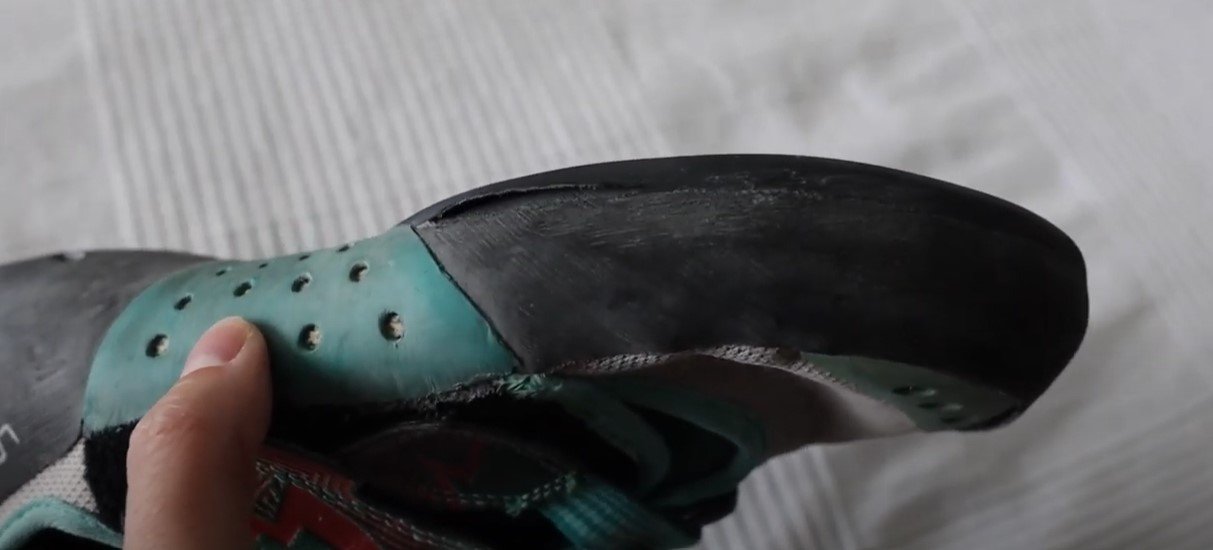
A shoe that's seen its fair share of action won't have a perfectly even sole. Inspecting the shoe from its side will reveal that the sole rubber might have little potholes, especially over the area of the big toe. Or at least, that's where it should be if you're properly weight bearing when your foot is pressed against a rock.
In more advanced cases, holes might form where the sole's rubber has been overworked. You might also notice that the sole exposes the lower edge of the rand where the two parts meet. Performance wise, this won't only cause unnecessary pain on your feet, but may also risk injury.
Shiny or Scuffed, Stiff Rubber
Fresh out of the box, climbing shoes have matte soles that are tacky to the touch. This gives them maximum grip on rough rock surfaces. With time however, that tacky matte finish will become shiny or scuffed due to friction. And what were once pliable, softer rubbers will turn into a rigid chunk of sole.
You can test for rigidity by pressing the toe box starting at the pinkie toe moving towards the big toe. The rubber should be notably stiffer as you move along, which may point to the need for rand repair. Most experts agree that when the rand reaches this point of rigidity, you've caught the perfect time for a resole.
Changes in Shape and Structure
You've probably spent a good deal of time marveling at your shoes when they were a brand new pair, so you should be able to spot structural changes as time goes on. The soles, which were probably 4mm thick when you first bought the climbing shoes, will have lost much of its density after regular use.
Thin edges may also reveal more of the rand which isn't really designed to take on as much stress as the sole. Other structural changes you'll notice will involve the shape of the shoe all together. Aggressive climbing shoes will lose that iconic downturn and point, and the edges of the sole which were once well-defined may become rounded.
Different Types of Climbing Shoe Rubber and Soles
Replacing climbing shoe rubber isn't quite as straightforward as it seems. There are technicalities to the process, and it's important to make the right replacement choices as this will heavily impact the kind of performance you get out of the shoes and its lifespan.
There are three main considerations when choosing the right type of climbing shoe resole:
Half Resole vs Full Resole
There's no point in replacing an entire sole if only part of it is damaged. A half sole replacement (sometimes called a 1/3 resole) is performed when only the front half of the sole requires attention. In more advanced cases however when degradation and wear have damaged the entire sole, then a full resole may be necessary.
The initial instinct if you're getting a resole done is that you might as well have the whole thing replaced. But experts urge climbing shoe owners to think twice before replacing the whole rubber on lightly used shoes. The reason is because taking out a section of the sole that might still be in good condition could actually bid poorly for the integrity and structure of the uppers.
Fortunately, professionals who perform the service will assess your shoes prior to the process, and will provide their expert advice before putting your shoes through a resole.
Whole vs Split
In the event that you decide to get a full resole, you'll have the choice between a whole and a split sole. Unlike other considerations, this one might be up to personal preference. The whole new sole essentially covers the entire sole area of the climbing shoes. This single piece of rubber extends from the toes to the heel, and provides coverage over the arch of the shoe.
The split sole on the other hand leaves the arch bare so that you end up having two separate sole sections. The first half covers the toes and balls of the feet while the other half sits under the heel. The purpose of the split sole is to encourage more natural flexion. Whole soles on the other hand might be more rigid, but also provide extra durability and bolster structural integrity.
Thickness and Material
Most shoes for climbing use 4mm soles out of the box. This is the standard that manufacturers follow since this specific thickness provides the ideal balance of flexibility, durability, and tactile feedback. When you get a resole though, it's not uncommon to find rubbers that are up to 5mm thick.
Sure, a thicker sole might seem like a good idea, and in fact, amateur climbers claim that you probably won't really even notice the difference. If you're particularly experienced however, even just that added millimeter can dampen tactile sensation. All things considered, the biggest benefit that comes with 5mm soles is that they’re slightly more durable and take a little longer to wear through.
Materials used for climbing shoe soles include Vibram XS Edge, Stealth C4, and XS Grip 2 Rubber like the ones used by La Sportiva Solutions. Fortunately for you, any of the available resole rubbers you can find through a professional resole service will meet manufacturer standards.
If you managed to cop a pair of climbing shoes from a brand that sells their rubber soles separately, then you can even get exactly the same sole material that’s pre-cut to the perfect size for your shoe. Otherwise, you can trust your resole professional to choose the ideal rubber for your replacement.
How are Climbing Shoes Resoled?
Climbing shoe manufacturers have the whole structure, shape, and dynamic of their shoes down to a science. So trying to alter their designs after significant use can lead to performance losses - unless you’re a professional.
If you think you’re pretty handy, then you can probably get the job done with ready-to-use DIY resole kits sold all over the web. A word of caution though: resoling isn’t a simple process, so it's something you do at your own risk. But if you're dead set on your desire to resole your shoes, it's best to approach shoes that you won’t mind tossing out just in case.
Intricacies aside, the steps of resoling climbing shoes are pretty straightforward. Here's what the professionals will probably do once your shoes hit their work table:
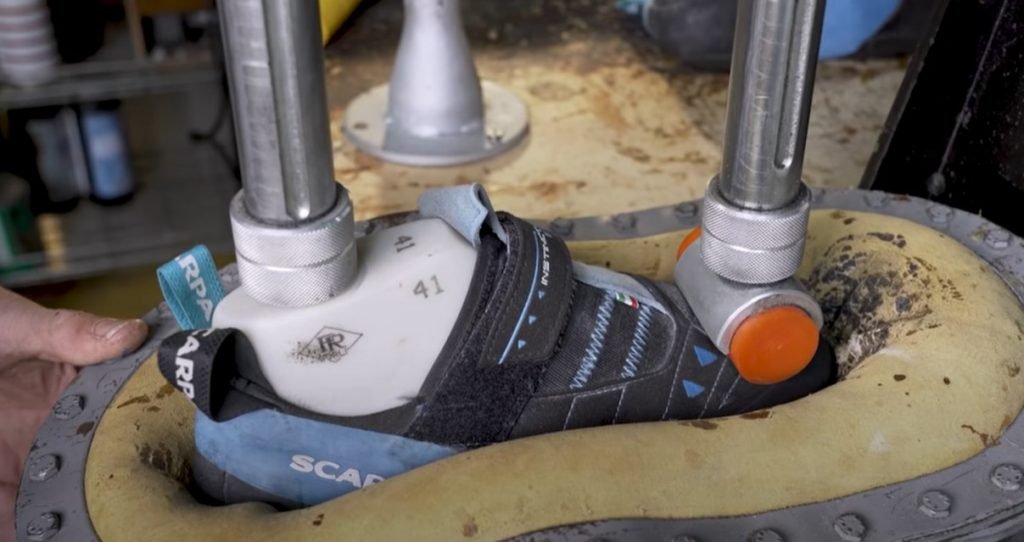
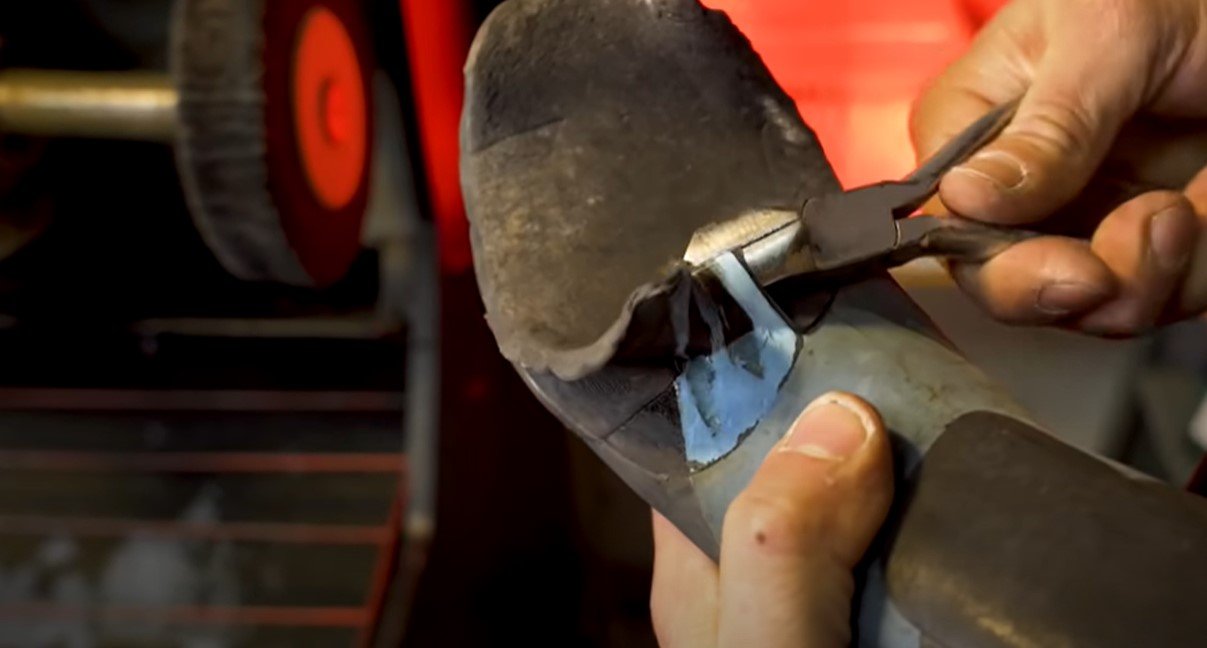
- They peel off the old soles with a pair of tongs or grind them off with a machine.
- If your shoes come from a manufacturer that sells the same rubber for your kicks, then climbing shoe resolers may use those. Otherwise, they choose the ideal rubber for your shoes and then cut them down to the right size and shape.
- Using a strong adhesive, the new rubber is placed on the shoe and then clamped down until it dries in place.
- Once dried, they'll work on the edges to smoothen out rough spots and clean up the borders to match the original sole shape.
How Much Does Resoling Cost?
That depends on a number of factors. Obviously, a full resole will be more expensive than a half resole. A more damaged, older shoe might also cost more to repair. Different shoes that vary in size, type, and material can also impact cost.
Finally, some professionals simply charge more for any number of reasons like their turnaround rate, their popularity, and their experience. Most resolers price a rand repair between $20 to $40, while a standard resole may cost $50 to $70. If the service provider is a ways away, then you might also have to consider the additional cost of having your shoes shipped to their location.
A resole and rand repair will average a total cost of $140 for more damaged shoes, which very well might be the price of new shoes, albeit on the budget side. It's also worth mentioning that some service providers can take up to eight weeks to complete a job.
So unless you have a second pair, you'll have to stop climbing for the duration of the resole of the one pair you own before you can start climbing again. In fact, this has become reason for many climbers to invest in a second pair. Having two pairs of kicks lets you resole your shoes without having to wait before you can hit the rocks again.
What Happens If You Don't Resole Old Shoes?
Let's say you continue climbing with a pair of shoes showing obvious signs of wear and tear. As you keep climbing with your worn and tired shoes, the rubber starts to thin out until the visible line connecting it to the rand starts to peel. The thin sole will also start to develop holes especially over friction-prone areas like the big toe.
This will reveal the delicate rubber rand layer underneath. Now, the rand was developed to provide structure and protection for the toes. It's not designed for weight bearing on rugged terrain like the soles are. So when climbers drag the rand start to use it in place of the sole, it's likely going to give way and expose the fabric material.
Allowing damage to both sole and rand warrants more extensive repairs that could be costly. Sometimes, repairing such advanced deterioration, wear, and tear could easily total the amount of a new pair of shoes all together. And that's if they're still repairable because when it comes to climbing shoe damage, there is such a thing as the point of no return.
Can Climbing Shoes Be Resoled More Than Once?
Take to climbing forums and even Reddit and you'll find tons of posts from climbers who have had a second resole without issues. Some have even resoled their trusty old reliable shoes four or even five times, extending the worn shoes' lifespan to decades. But of course, that doesn't happen by accident.
It's important that you pay close attention to your climbing shoes and the damage they sustain. Getting a resole too early or too late can limit the number of times you can get this kind of repair done. The same can't be said however for rand repair. Because of the delicate nature of the rand rubber and its contribution to shoe's shape and structure, toe caps are only usually replaced once.
However, climbers who resole a pair of worn shoes at just the perfect time likely won't need any sort of rand repair. That's because a good set of soles will protect the rand from damage, especially if you're careful with your foot placement and if you typically climb indoors.
So when is it too late to resole climbing shoes? Here are some telltale signs:
- Worn soles and rand with fabric showing through
- Holes in the fabric
- Uppers have lost structure and shape
- The cost of the repair will cost more than or equal to a new pair
Is a Resole Worth It?
It really depends on the extent of the damage to your shoes. All things considered however, as long as your worn shoes are repairable, you should definitely go for it. There are loads of benefits to having your shoes resoled as opposed to buying a new pair of shoes, such as:
- Eliminating the need to break in a fresh pair
- Continuing to enjoy your favorite pair
- Being able to reduce waste associated with buying a new shoe over and over
- Cutting back on the cost of having to purchase new shoes
So if your climbing shoes just don't perform the way they used to, don't hesitate to contact a professional. Most resolers will even asses the damage and give you an estimate of the resole cost online. This gives you the chance to shop around for a better deal before you decide on a shoe repair provider.
A New Lease on Shoe Life
Climbing shoe resoling can breathe new life into a pair of worn, tired shoes. Restoring performance, durability, grip, and flexibility, a good ol' shoe repair might be all it takes to get your shoes feeling as good as new.
See to it that you find trusted shoe resolers to work on the job. And if you've got a keen eye for damage and you know when to resole climbing shoes, you can extend the lifespan of your favorite pair with proper care and a proper resoling schedule.