
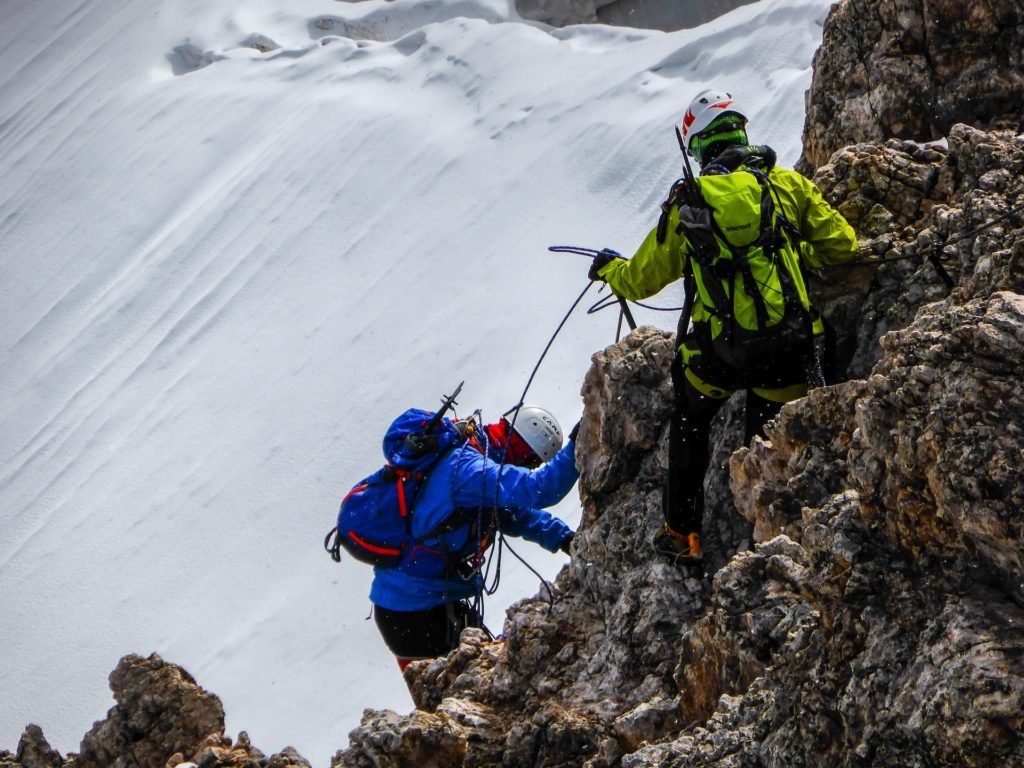
To don a helmet or not to don a helmet? It's always a bit of a controversy in the climbing world with endless opinions that lead to a final decision. You might overhear whispering at the crag about the lack of helmets on a neighbouring party, or someone shouting about how "it's just not that comfortable". It might seem expensive at the time, unnecessary, or just plain nerdy. When it comes down to safety, wearing a climbing helmet is a necessary action to protect you and your partners. If you are looking for an upgrade, or your first helmet, we are here to help you find the best rock climbing helmets.
What Is a Climbing Helmet?
Climbing helmets are designed specifically for the sport and there are many components that become specific to different niche areas of rock and ice climbing. You'll find different materials, vents to keep your head well ventilated, and adjustment system will suit the needs of different types of climbers.
Some models start with very basic features. Others will have intricate design processes that are unique to things like big wall climbing or even mountaineering.
When it comes down to the basics, they are meant to protect your head. These helmets are designed to protect the climber and belayer from loose falling rocks, ice, or debris, protruding features such as roofs, and of course falls.
Taking a big whipper without anything on your head could have severe consequences, despite how comfortable you are on a given route. All helmets meet industry standards and safety ratings, so you won't have to worry about the protection standards when making a purchase.
What Makes Up a Climbing Helmet?
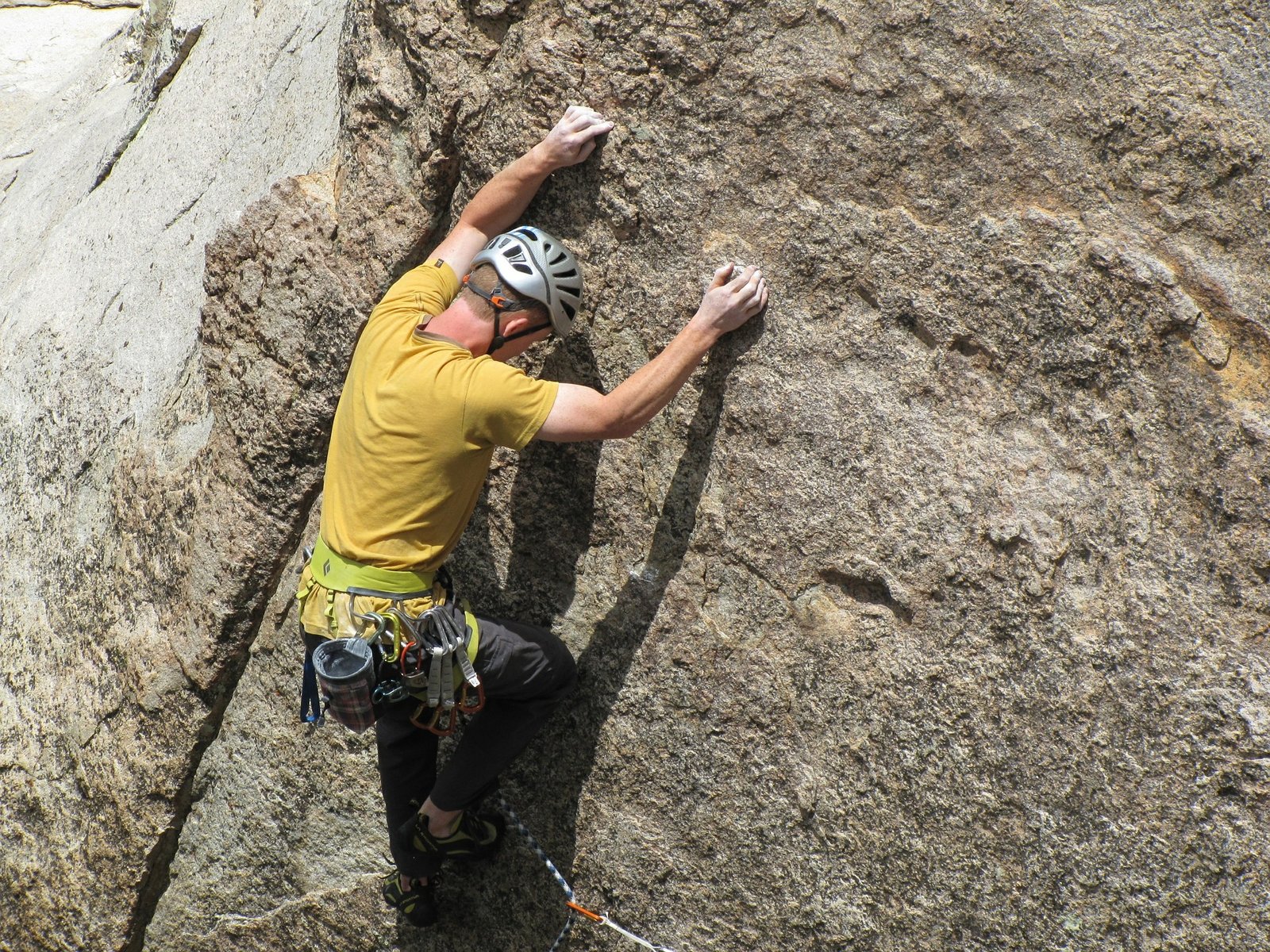
Foam Helmet: EPP vs EPS
There are two types of foam that are used in the climbing world. These are expanded polypropylene (EPP), and expanded polystyrene (EPS). Helmets are made up of either or, but some use a combination of both.
Expanded polypropylene foam is designed to take an impact without shattering. This makes the helmet ultimately more durable, lightweight, and longer lasting. EPP products are able to absorb the energy of an impact to the head, allowing for multiple impacts before compromising the integrity of the helmet. You'll see this construction in the Mammut Wall Rider and the Petzl Sirocco.
Expanded polystyrene foam is very strong and has the ability to absorb the shock of an impact, however due to its rigid structure, you must replace your helmet after any major impact when using a helmet made of EPS foam. EPS foam will collapse under pressure which redistributes the energy of impact away from your head, and into the structure of the helmet. Seeing a cracked helmet signifies that it has done its job and it was able to crack before your head. You'll see EPS foam in most climbing protection such as the Black Diamond Half Dome, Petzl Meteor, and Black Diamond Vapor.
Shells: Hardshell vs Softshell
You might hear the outer component of the helmet referred to as hardshell helmet or soft shell. This can be confusing and references the type of material that makes up the protective outer layer on the outside.
You might be thinking, "aren't all helmets hard shells?". This is a reasonable question to ask, as the hard and soft shells are both hard, however, one is much harder. The harder plastic is a material called acrylonitrile butadiene styrene (ABS plastic), whereas the softer plastic is a polycarbonate material.
Hardshell Helmets
ABS hard shell climbing helmets tend to be slightly heavier and longer-lasting than their polycarbonate counterparts. These traditional style helmets will last much longer due to their extremely durable outer shell. This material is more affordable than polycarbonate, which tends to show up in more base model helmets such as the Black Diamond Half Dome helmet, Petzl Boreo, and the Mammut El Cap.
ABS helmets won't meet standards for the lightest climbing helmet out there, but make great options for more burly climbing. If you are looking for an option for mountaineering or even an ice climbing helmet, consider sourcing out an ABS model to try out.
Softshell Helmets
Polycarbonate is the material that makes up the soft shell helmets for climbing. This material is not distinctly soft, however it is thinner and more malleable than ABS making it a great material for a lightweight climbing helmet. Some polycarbonate constructions feel like nothing is on your head. Climbing protection constructed of polycarbonate are light and often more heavily vented, which makes them great options for long days in warm weather.
Polycarbonate or soft shell helmets are less durable than the military style ABS helmets and do require a bit more care in storage and use. You won't want to be tossing your polycarbonate climbing helmet around. You'll see this material used very commonly, such as with the Mammut Wall Rider, Black Diamond Vapor, Petzl Meteor, and the Petzl Sirocco.
How Should Climbing Helmets Fit?
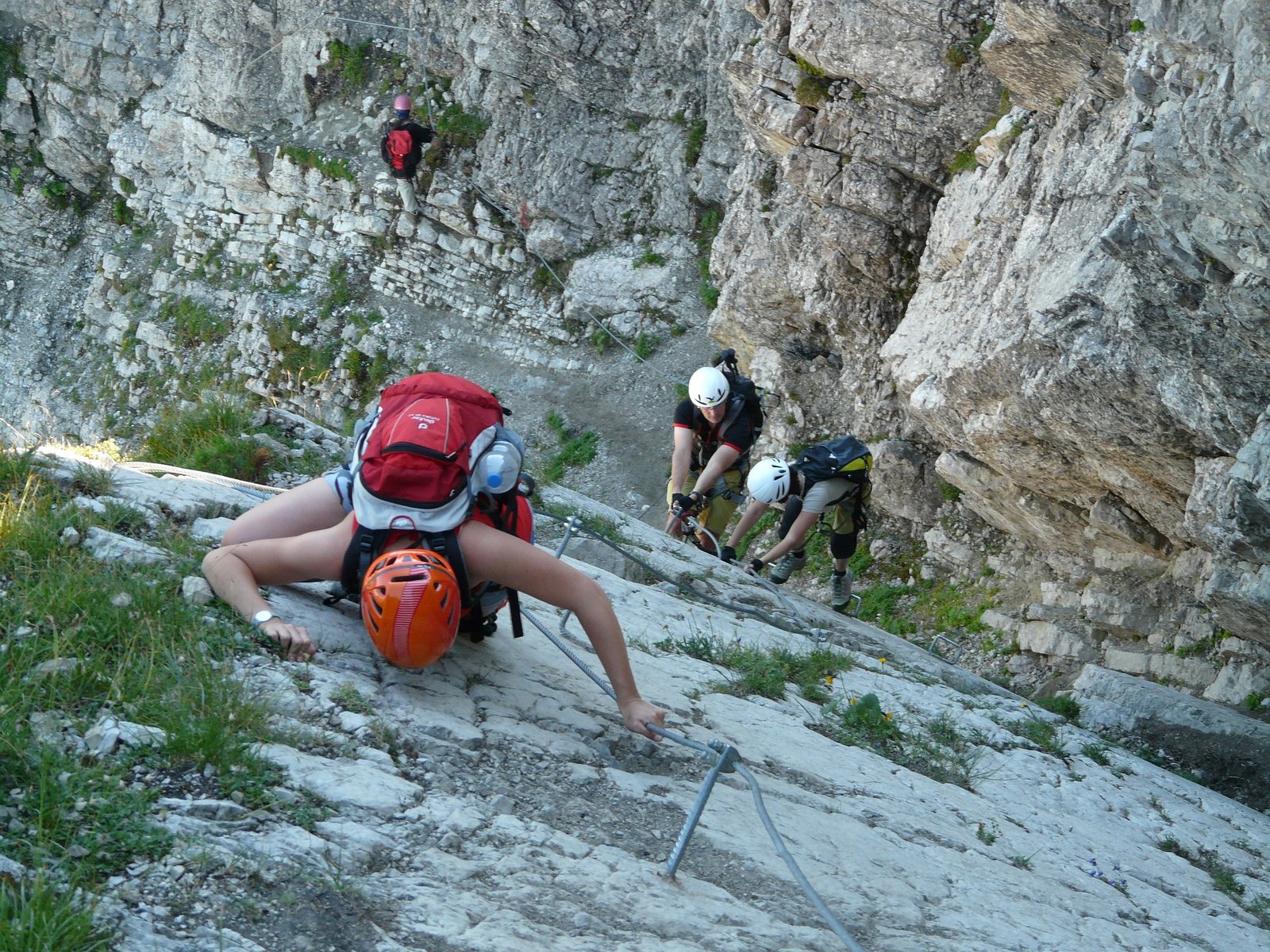
When looking for the best climbing helmets, you'll want to ensure a precise fit. Not every helmet is going to be the best helmet for your specific needs or size, so you'll want to pay attention to the fit when choosing which helmet to purchase.
The sole purpose of a climbing helmet is safety. In order for it to be safe, it needs to fit right. It's in your best interest to try on various options before making a decision.
Some are best for small heads or big heads, some have more adjustable chin straps or customizable components in the back. There are many different factors when it comes down to size and fit, and here's what you need to know.
Start With the Basic Size
You'll see some brands use a numerical sizing system. Some will use a small, medium, large system. And, some will have men's, women's, and kid's. Be sure to explore these sizes. Place the helmet on your head, directly onto the crown. You don't want it to be sitting too far forward or too far back. It might feel like it is sitting really high on your head, but most climbing helmets are designed that way to absorb impact safely.
Tilt your head side to side to ensure the helmet is snug, there shouldn't be any major movement when performing this test.
Lightly place your fingertips on either sides of the helmet and look to your left and right. The helmet should move with your head, rather than staying with your fingertips. If you can do these small tests without any pressure or feeling that the helmet is too tight, you have found a good size for your head.
Do Up the Chin Strap and Adjust it Comfortably
You'll want a bit of room so that you don't feel restrained, but it should not be hanging low. Make sure you are comfortable adjusting the straps and they sit well around your ears. Some buckle mechanisms might be cumbersome to use, so find one that works best for you. The chin strap on a climbing helmet is generally easy to adjust, but it is important to check this when sizing a helmet.
Play Around with the Adjustability of the Helmet
Bring any necessary accessories you might need to fit with your helmet. Consider things like sunglasses or belay glasses, and hats or buffs if you are mountaineering or ice climbing. You may want to bring along a belay jacket or wind shell to check helmet compatibility with hoods and collars. All of these things are important and can make or break the comfort and safety of your helmet.
Other Things to Consider
If you are looking for specifics, here are some things to consider. The Black Diamond Vapor is the best helmet for big heads, while the women's specific Petzl Elia is the best climbing helmet for small heads. The Petzl Picchu is a great kids climbing helmet as well. There are many women's climbing helmets on the market, often with a men's model as a counterpart. It would be a good idea to try on both models to see the difference.
How to Choose a Helmet?
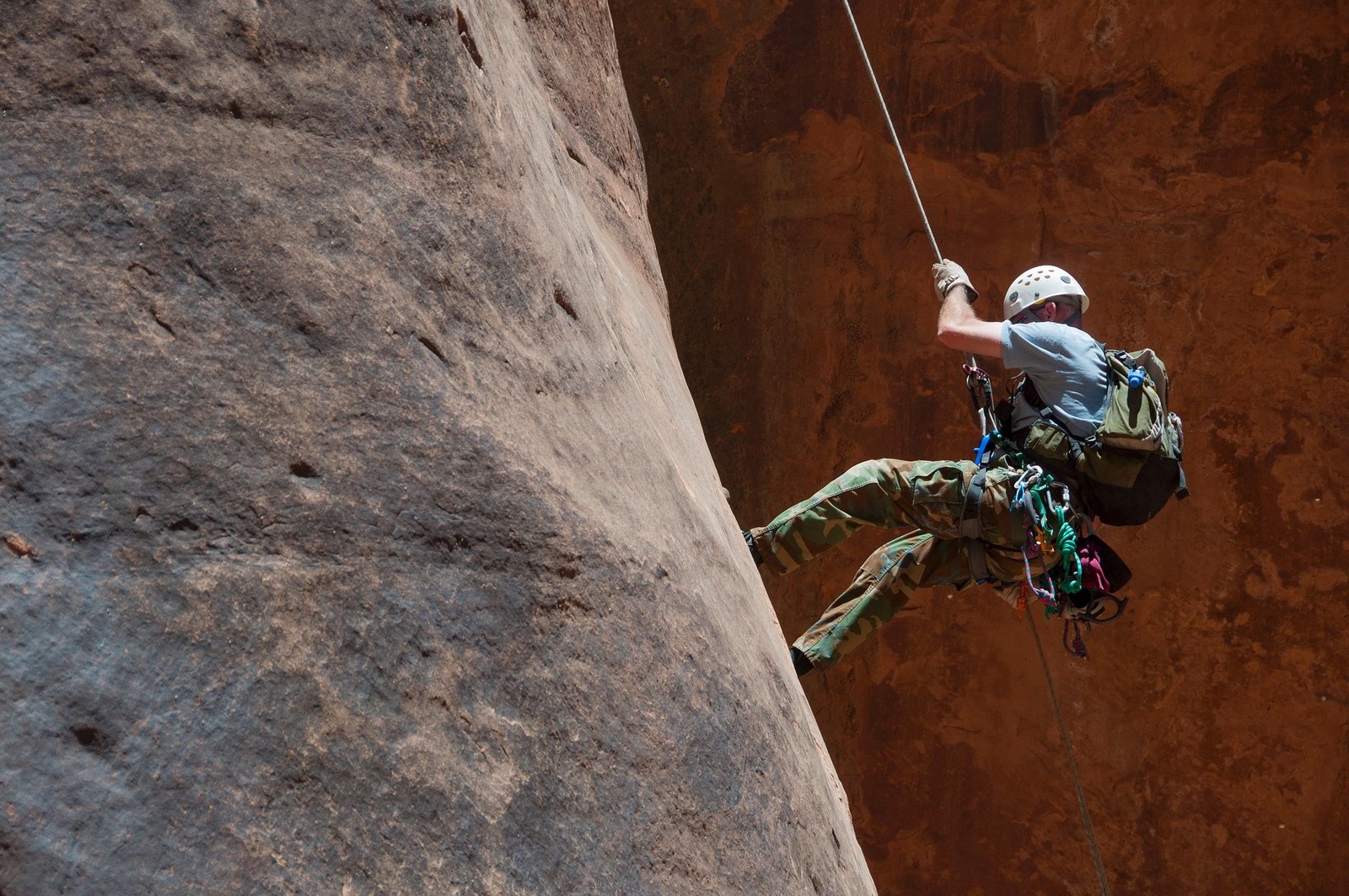
Purpose
When looking for the best climbing helmet for you, you'll need to think about the purpose or type of climbing you'll be using it for. Every helmet is safe and sufficient for all types of climbing, but when it comes down to specifics, you'll be able to fine tune the features to your needs. You might be comfortable with just any helmet for climbing, but some climbers might be more picky with their climbing gear.
Cragging
With this type of climbing, you may not be as concerned with ventilation as other types of climbing. On single-pitch sport climbs, a climber will usually have more time to rest between climbing or belaying and can take breaks from wearing a helmet.
The type of foam won't matter much here, unless there is a distinct safety concern, or you are looking for something lighter. You can go with an ABS helmet over polycarbonate since you will be taking your helmet on and off.
Consider the Black Diamond Half Dome, Petzl Boreo/Borea. If you are really pushing your grade and projecting, you might want to consider a lightweight helmet made of EPP foam such as the Mammut Wall Rider.
Multi-Pitch
If you're going to be spending long days on the wall, you're going to want to consider a few more factors than you would for your average sport day. Excellent ventilation, adjustability, and comfort are going to be big factors when choosing a helmet for multi-pitch climbing.
A lightweight, comfortable helmet that can be adjusted with one hand is ideal. You might want to make adjustments on the fly, and doing that with efficiency is key. Make sure your helmet has a durable shell to protect you from any debris while climbing or belaying.
A climbing helmet like the Petzl Meteor or Black Diamond Vapor are great choices when looking for the best climbing helmet on a multi-pitch.
Alpinism/Mountaineering
If you're looking for the best climbing helmet to take on a lengthy alpine mission, you already know what you're in for. Not your simple roadside crag, an alpine climbing day will often involve lengthy approaches and full day efforts (or maybe even longer). You'll need to be aware of unpredictable rock, ice, and snow, and may be travelling underneath some questionable hazards.
A helmet specific to alpine climbing and mountaineering is going to be one you may want to spend a bit more money on. Look for a lightweight option that is very durable. Comfort and adjustability are important again, as you'll be spending long hours in this helmet.
The Petzl Sirocco is a great option as it is constructed with a combination of EPS foam and EPP foam to ensure durability where it is needed while keeping the helmet light.
The 6 Best Climbing Helmets
1. Black Diamond Vapor


Constructed with EPS foam and a polycarbonate shell, the Black Diamond Vapor is one of the leading choices in the climbing world. An ultralight and well vented helmet with great adjustability makes the Vapor an excellent choice. Kevlar and carbon strengthen the helmet between the foam and plastic shell, making this helmet durable without compromising weight.
The open-air design lends to great venting and the simple adjustments in the rear of the helmet make this helmet comfortable during all day missions. This helmet is equipped with a comfortable chin strap and removable headlamp clips for maximum adjustability and customization.
When designing the Vapor, Black Diamond was looking to create a helmet that climbers want to put on every time they go climbing. They succeeded in creating this low-profile, comfortable, and safe helmet that won't get in the way when you're ready to send. It meets all the requirements for a great all round helmet, and you might even forget it's there.
2. Petzl Sirocco

Sitting at a higher price point than many other rock climbing helmets, the Petzl Sirocco meets the needs of world class climbers. It is by far one of the best out there and the reviews back it up.
Using a combination of EPP foam throughout the helmet and EPS foam to strengthen the crown, this helmet is uniquely designed with safety and ease of use in mind. The hard plastic over the EPS foam in the crown section allows the helmet to remain light and durable while strengthening areas that hazardous debris might fall and strike the user. Many vents and a magnetic clip on the chin strap are some of the other features that are appealing for climbers with diverse skill sets. There are also two attachment points in the front of the helmet for a visor if needed.
This helmet is the best mountaineering helmet option as it is designed specifically with safety in mind and holds a ski certification, making it an option for those who's climbing transcends into ski mountaineering efforts. It is one of the few choices that holds a sleek, simple design while keeping climbers safe in all aspects of climbing, on and off the rock.
3. Mammut Wall Rider

The Mammut Wall Rider uses lightweight EPP foam in combination with a partial hard plastic shell on top of the helmet. It has great vents and standard adjustability which makes this a great option for many different types of climbing.
A great feature on this helmet is that it is compatible with ski goggles, so it is another excellent option for ski mountaineering efforts. This is lightweight, vented, and comfortable helmet that you can wear all year round. You'll find excellent headlamp clips on the Wall Rider, so if you are looking to head out before dawn, or think you might be out after dusk, this is a great feature for you. This helmet feels like you are wearing nothing, making it a great choice for climbers who are hesitant to wear a helmet.
4. Petzl Boreo


This climbing helmet is great for entry level climbers, perfect for a climber who is looking for something to protect them and not as concerned with specific foam and plastic types or micro adjustability.
The durable hard shell construction of the Petzl Boreo gives it extra 360 degree protection. Some other helmets use hardshell components solely on the crown of the helmet, neglecting the back and sides. This is a great option when searching for ice climbing helmets when you'll need to be aware of larger debris and protruding features.
The Boreo is equipped with foam padding inside, an adjustable rear strap that stows into the helmet for easy transport, simple Y straps, and four headlamp attachment clips.
The Boreo sits at a lower price point, so it is one of the best rock climbing helmet options for those on a budget. This is also available in a women's version called the Borea.
5. Black Diamond Vector


Similar to the Vapor, but with less venting, this helmet hits a more affordable price point while still using EPS foam with a polycarbonate shell. Rather than removable clips, the Vector has in mold headlamp clips that stay put. The easy to adjust ratchet system tucks away when you aren't using it, making this climbing helmet easy to stow. You'll see the same geometric patterns in the venting as the Vapor, with a little bit less openings.
The Vector is a simple option for those in need of an all-round helmet. The Black Diamond Vector is also offered as a women's climbing helmet under the same name.
6. Black Diamond Half Dome
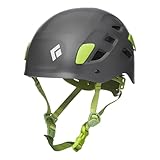

Unlike other Black Diamond helmets, the Half Dome does not host EPP foam. It might not be one of the best climbing helmets for big objectives, but its EPS foam construction with polycarbonate shell outer, make this helmet an excellent option for those looking to spend a little less. This comfortable, budget friendly piece of climbing gear is similar to the Petzl Boreo with simple construction and venting, and a very affordable price tag.
One of the great things about this helmet is it's simplicity. You won't want to be fidgeting with extra features on your head for a simple day out at the crag. It's a classic fit helmet that tends to fit almost every head out there.
The Half Dome tends to be one of the most universal fitting helmets that keeps your head comfortable at a price that is comfortable for your bank account. Foam padding and twist-to-fit adjustments make this helmet very customizable, which is one of it's appeals.
This is an option that everyone should consider trying when looking for something they can take anywhere without diving too deep into the specs of it all.
Conclusion
When looking for the best rock climbing helmets for rock, ice, or mixed ascents, you'll need to narrow down what your needs are. Figure out what the purpose of your head protection is before choosing what's best for you. There are so many options for those all-round climbers out there that like to dabble in multiple disciplines, but there are also options that are specific to different aspects of the sport. You'll also want to consider the climate and weather you generally climb in to determine some features you might be looking for.
Best Durable, Reliable and Adjustable
The Black Diamond Vapor is the best choice to those looking for a piece of protection that is durable, reliable, and adjustable. You might not be convinced that weight matters, but when you are spending long hours on rock, you'll want the best in lightweight. The Vapor tends to fit bigger heads, but also comes in a women's specific model, so make sure to try both if you aren't sure.
Best High End & Alpine Specific
The Petzl Sirocco is the best high end and alpine specific option out there. It's fine-tuned mix of EPP and EPS foam alongside the extra crown protection make the Sirocco integral to mountain safety. It's a true alpinist's choice boasting lightweight construction that is designed with a focus on protection.
Best All Purpose Helmet
The Black Diamond Half Dome is the best rock helmet for someone looking to grab something and go. It is guaranteed comfortable, adjustable, and overall the best bang for your buck out there. You'll be able to find the Half Dome in almost every outfitter because it is such a broad use piece of gear.
If you are looking for an upgrade, or your first helmet, you'll want the best climbing helmet to keep your head happy. We see a lot of epic footage of the pros boosting dynos in Spain or sending in the grand gorges of the United States, but there comes a time when we need to bring things back to safety and protect ourselves. The best helmets out there are the ones that can protect you without feeling like you have one on your head at all.
Pingback: Is Rock Climbing Dangerous? The Risks & Danger Statistics - Sendgeance