They say that socks are necessary for almost every sport that requires shoes - but is climbing part of that list? You've probably found yourself wondering the same thing after painfully cramming your socked foot into a tight climbing shoe. If you've taken the time to look around, you might have also noticed how some of your buddies have ditched socks all together.
So, do you wear socks with climbing shoes? To answer it plainly, wearing socks with climbing shoes is absolutely up to your personal preference. That means it's neither right nor wrong to don socks for climbing. But then again, why are some (actually, most climbers) leaving their socks at home? Here's the nitty gritty.
Can You Wear Socks with Climbing Shoes?
Do you wear socks with climbing shoes? If you answered yes, don't worry - lots of people do. Climbers wear socks with rock climbing shoes for a sundry of reasons. But the main purpose for climbers wearing socks with climbing shoes is because it adds an element of comfort.
On top of that, many climbers assert that even just a thin pair can help reduce hot spots in the shoe. If that's something that's more important to you as a climber, then there's really no reason for you to skip the added layer.
Unpleasant, uncomfortable rubbing especially from the heel tab can cause blisters to form on your feet and ankles, especially if you're sporting a brand new pair you haven't broken in yet. Fresh out of the box, rock climbing shoe rubber can be particularly stiff and unforgiving.
So those first few uses might necessitate that you wear thin socks to protect your skin. The more you wear them though, the more your feet will adjust, which is why some rock climbers choose not to wear socks with climbing shoes unless they're brand new.
Why Do Some People Not Wear Socks?
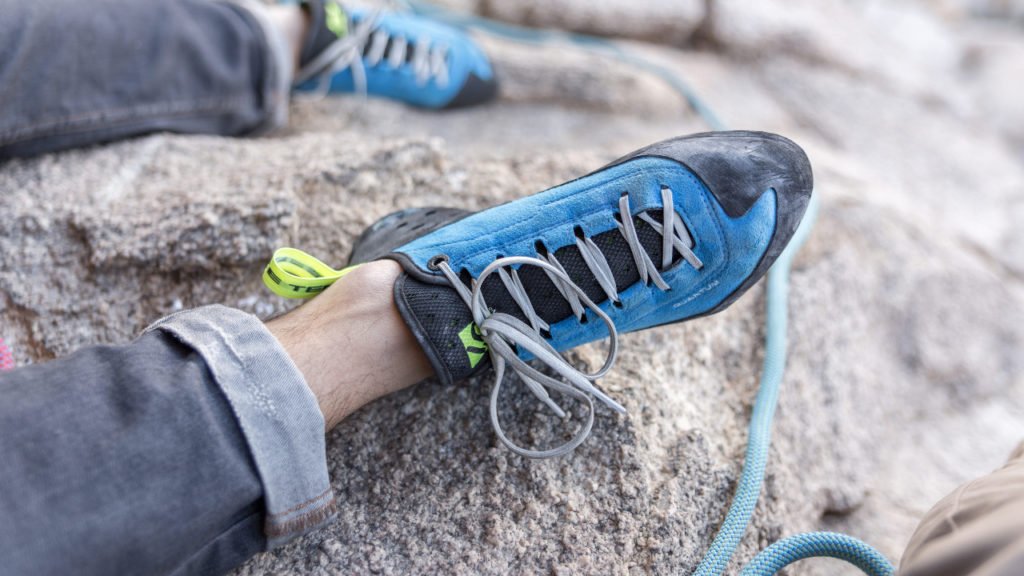
Back in the early days, the shoe and sock combo was standard practice for any climber. But after manufacturers released modern specialized climbing shoes that were designed so that you can wear them on your bare feet, climbers started ditching socks.
In fact, experts claim that a good pair of climbing shoes shouldn't make you feel like you need to wear socks at all, and there are a number of reasons why that's so:
Climbing shoes need to provide maximum tactile feedback
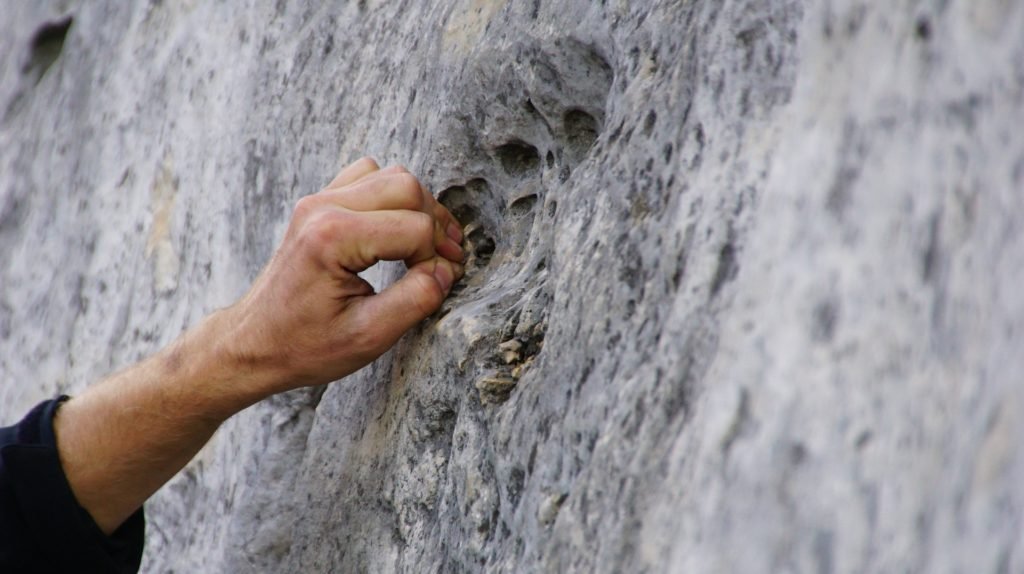
Think about it this way - when you're hanging from a wall with nothing supporting your weight but your foot or toes jammed into a crevice, you want to make sure you feel your foot as much as possible. Many climbers rely on this tactile feedback to determine if they've got the right footing. Since the rubber under the toe can already be pretty thick, socks that make for a tighter fit can significantly reduce sensation during a precarious climb.
Socks can interfere with shoe fit
The problem with wearing even a thin pair socks is that they could affect your climbing ability due to poor fit. Socks make climbing shoes more snug, crunching the toes together and suppressing the foot's ability to flex and move into irregular cracks. This can be particularly dangerous in activities like crack climbing. They cause the feet to slip in the shoe, forcing the heel to pop out and risking serious injury. For a specific move called heel hooks, adding socks can pose a unique safety risk as it threatens to cause your foot to slip out of the shoe.
Socks can make a shoe hotter
And of course, we have to talk about sweat. Many climbers have feet that tend to sweat profusely. When socks fit too tight, excessive moisture can further diminish tactile sensation and may even cause your foot to slip inside the climbing shoes. Do note however that some socks are designed to reduce and control sweat production, so it matters what kind of socks you choose to wear with your climbing shoe.
Benefits of Wearing Socks with Rock Climbing Shoes
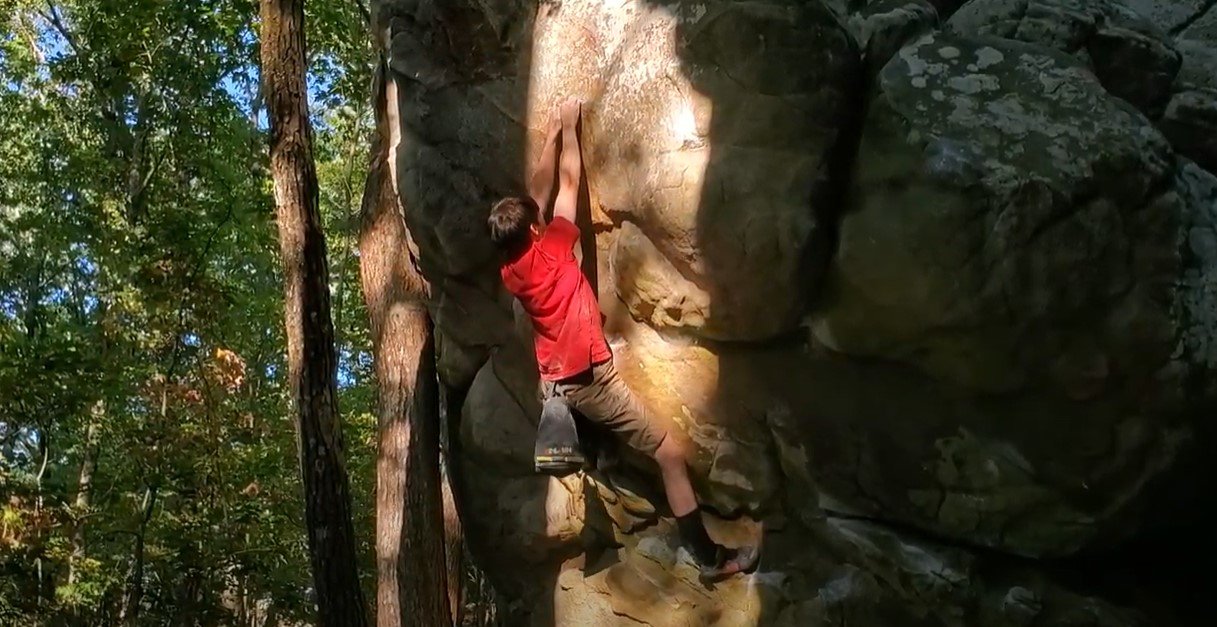
Let it be known however that while other climbers prefer going barefoot, there are some pretty compelling reasons for wearing socks with climbing shoes. In certain cases, it might even be ideal to don a pair of socks than simply going bareback.
Comfort
Climbing shoes aren't exactly designed to feel comfortable. They're intended for durable performance in challenging, rugged conditions. Some shoes also have interior seams and stitching that can dig into your skin and cause sore spots. So if your feet swell and hurt after bouts of wearing climbing shoes, a pair of socks might be a necessity. Even lightweight, liner socks can be more than enough to add that extra comfort.
Protection
Crack climbing can be particularly precarious and presents unique dangers and risks. One of them is the possibility of scratching or scuffing up your ankles and legs since slipping against a hard boulder now and again is almost inevitable with this type of rock climbing. Wearing socks that cover your ankles and legs helps protect you against painful rock rash.
Odor Control
There are certain types of socks that use materials that help to keep foul odors at bay. Remember - climbing shoes use thick materials that can be tough to clean. So preventing the stink from sticking to the material after a climbing session can help keep your shoes feeling and smelling fresh with minimal maintenance.
When is it Recommended to Wear Socks with Climbing Shoes?
Now, if you're on team bareback, then the benefits of wearing socks might not be enough to convince you to throw on a pair and that's perfectly fine. Again, it's all about preference. But keep in mind that there are certain scenarios when socks might not be optional, and these include:
Loose Fitting Shoes
They say there's a specific science to fitting a climbing shoe. But again, the 'right fit' can be a subjective experience. For instance, some climbers actually prefer shoes that are a little on the big side. This gives them more flex so as to jam their feet into tight places.
The extra empty space in the shoes provides the ability to cram the foot into small cracks without actually hurting your limb. And since a loose shoe might have you feeling a little bare, a sock can help normalize the feel.
Easy Multi-Pitch Routes
A long day's worth of multi-pitch climbing can be the perfect way to relax and unwind in the comfort of nature. Most of these routes might not be too technical, requiring minimal precision at best. That said, if you're going on a long climb that doesn't really call for aggressive shoes, then wearing a comfortable pair of climbing shoes with neutral toes and some socks can help extend your endurance and keep your feet pain-free for the duration of the climb.
Rental Shoes
Indoor gym climbing facilities will typically offer rental shoes as part of their service. These shoes are made available to people who might not have their own shoes packed, or for leisure climbers who only climb every so often.
Obviously, you're not going to want to squeeze your foot into worn climbing shoes that aren't your own pair - unless you're wearing socks. Don't worry though, indoor gym climbing shoes for rent get routinely cleaned and disinfected. But hey, that doesn't mean you shouldn't take precautions of your own.
Alpine Climbing
Requiring tons of practice, experience, and skill compared to a gym climb, alpine climbing is a sport that's not for the faint of heart. To successfully and safely complete an alpine climb, climbers need not only serious preparation but also the proper gear.
Because things are bound to get cold as you ascend to the summit, wearing a thick pair of socks to keep your toes warm is pretty much standard practice. The same goes for other outdoor climbing venues where temperatures have been known to dip low.
Frequently Asked Questions
Are you supposed to wear climbing shoes without socks?
Generally, brands that sell climbing shoes design them so that socks aren't necessary. So if we're being technical, socks aren't really part of the equation. But that doesn't mean you can't wear socks when you climb. Again, it's all a matter of preference. Wearing socks with climbing shoes has both pros and cons. Weighing these considerations and figuring out where you stand should help you determine whether you'd benefit most from thick socks, thin socks, or no sock at all.
Are climbing shoes supposed to be tight?
Check fitting guides for climbing shoes and you'll find that most manufacturers design them for a snug fit - not painful or cramped, but tight and snug. The reason for this is because climbing shoes work best when they fit you like a second skin.
Leaving little room inside the shoe means that you get a better feel of what you're climbing. This increased sensation helps climbers improve their judgement and achieve secure footing even in precarious situations. Once they're worn and used, they will loosen up and feel more customized to your foot.
However, there's a growing number of climbers who prefer loose fitting shoes. The extra shoe material works like a tongue that climbers can jam into small crevices without hurting their toe. Again, it's all up to preference. If you find that a snug fit works best for you, then go for it. Otherwise, you can try going for slightly larger shoes to give you that extra flex. Sticking a sock in there might also help improve fit and comfort.
To Wear Socks or Not to Wear Socks?
Do you wear socks with climbing shoes? Whether you prefer wearing an extra layer inside your climbing shoes, or if you're more of a barefoot kind of climber, there's really no one stopping you. At the end of the day, it all boils down to how you feel.
So if you think socks cramp your climbing style, go ahead and ditch them. If they work to your advantage, then that's okay too. Just keep in mind though that whether socks are a must-have or hard-pass on your list of climbing essentials, there are certain situations when they might come in extra handy. But again, it's all up to you.