Choosing quickdraws might seem like a simple task, but once you start looking for the best quickdraws you’ll learn that there are extensive options. There are so many options that you might not be able to make a decision. There are many factors when it comes down to what makes a great quickdraw for climbing, and we are here to explore those for you.
What are Rock Climbing Quickdraws?
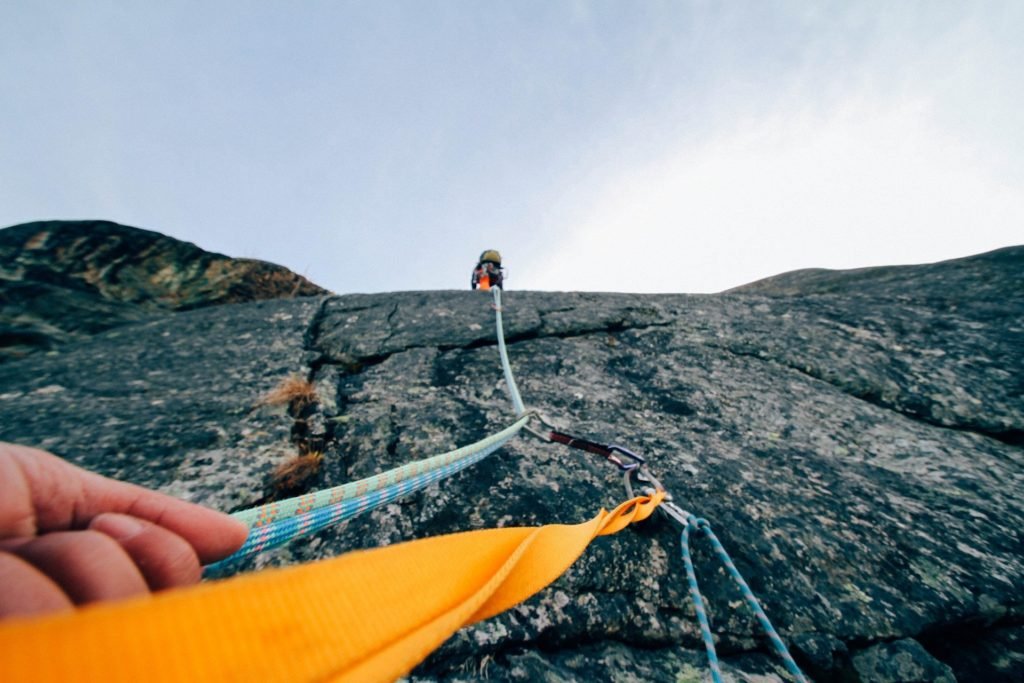
A quickdraw is a piece of gear that will act as protection between the climber and the route. In the simplest terms, quickdraws attach to the wall via a bolt or placed protection and are then clipped to the climber’s end of the rope. If a climber is to fall, the quickdraw is there to protect them.
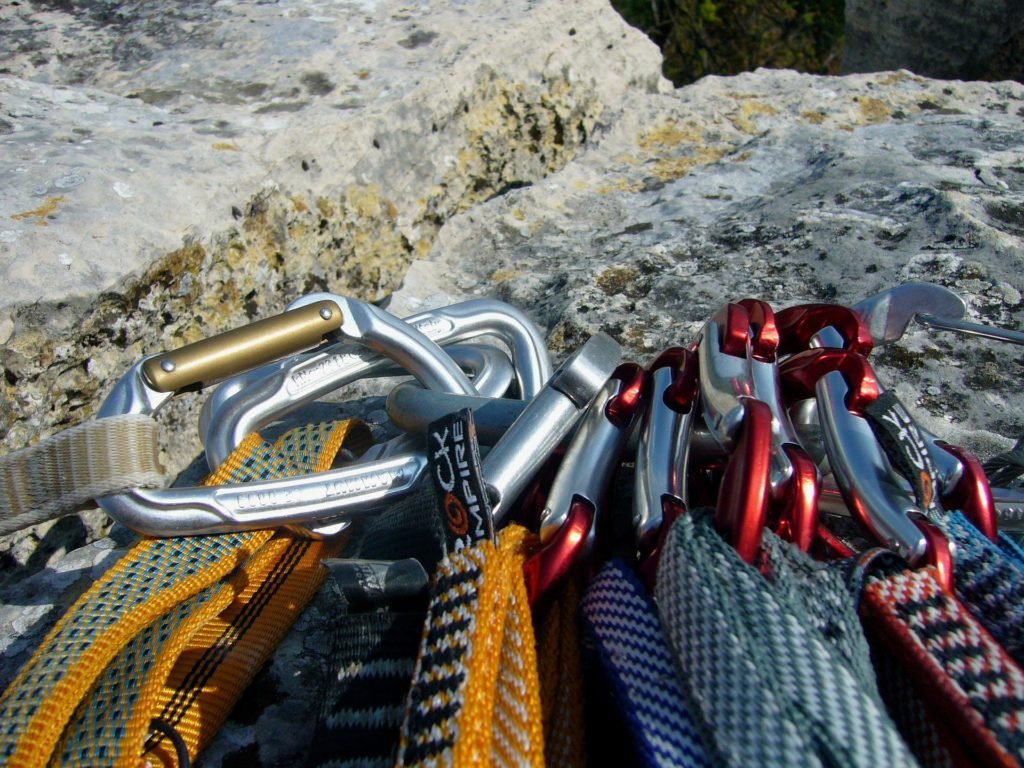
Quickdraws are made up of two carabiners and a sling or dogbone connecting them. One quickdraw is designed to clip to the route and one to the climber.
It all seems so simple when the concept is explained however, there are many types of carabiners, slings, and dogbones that make up a draw, and it is up to the climber to choose what they want when looking for the best quickdraws for rock climbing.
Why Should You Use Quickdraws?
If you learned to climb at the gym or have been out with friends who set up a top rope, you might not know why one would use quickdraws. You might have seen sport climbers heading up a route while the rope stays below them and wonder how that works.
Using a quickdraw is a way to protect yourself from falling. The carabiners on either end secure the rope to the wall and you to the rope. Sport, trad, and alpine climbing requires climbers to place their own protection on the wall rather than set-up an anchor from the top and come down to the ground before starting.
Using quickdraws allows climbers to begin their climb at the bottom of the route or pitch and work their way up, protecting themselves as they go. When using quickdraws the climber needs to assess the route and refer to the guidebook to make sure they have the correct amount of quickdraws required for the route.
How To Use Quickdraws?
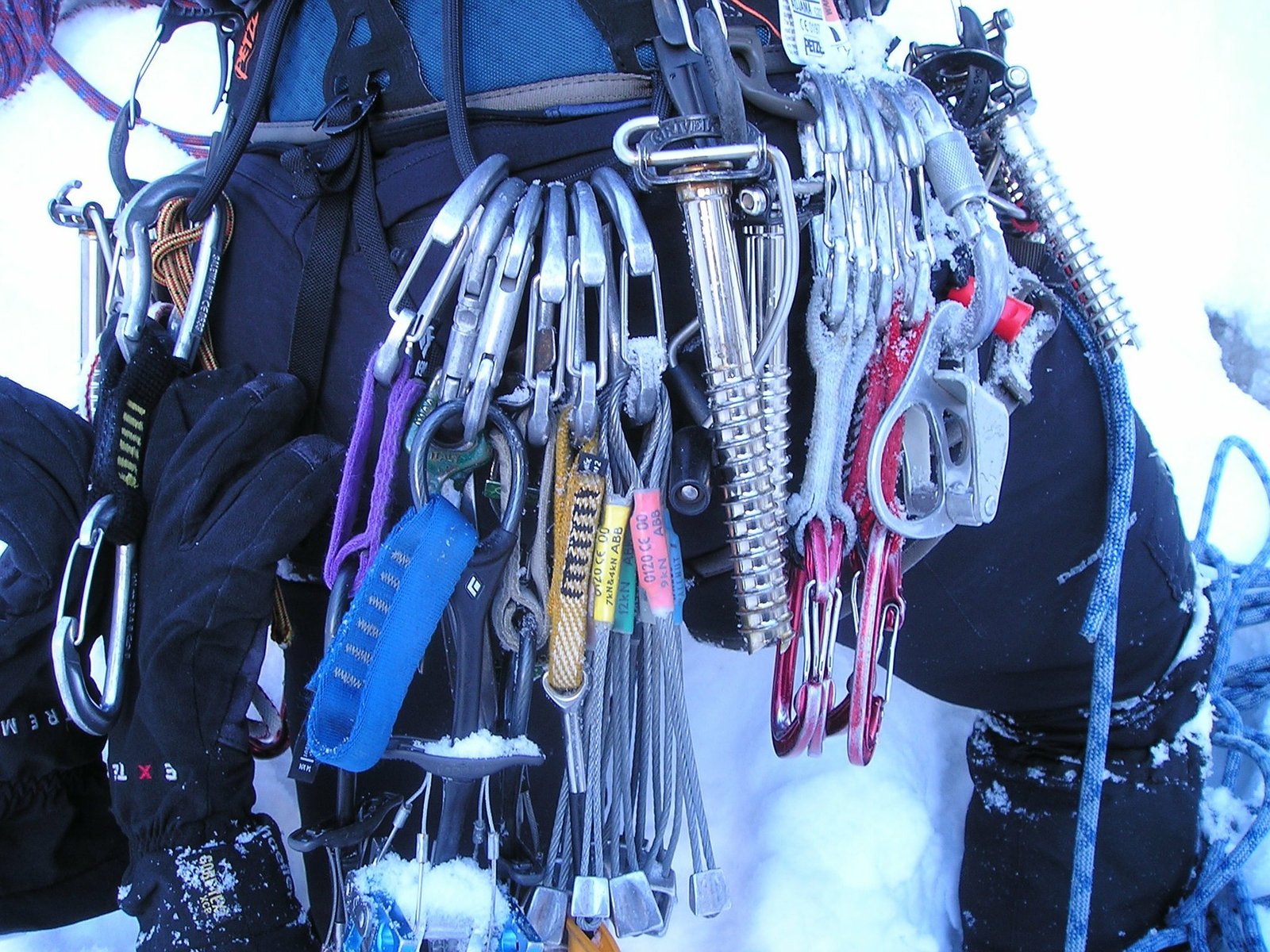
Quickdraws provide protection between you and the ground, but only when used properly. Human error is one of the biggest climbing dangers and leading causes in rock climbing accidents and knowing how to use your gear properly can prevent most accidents.
Clipping
When using quickdraws you want to first clip the draw to the bolt using the gate and then clip your rope to the draw through the gate. The carabiners might have different styles of gates on each end that are specific to the direction it faces. You can easily clip the draw to the bolt by pressing it against the metal or using your finger to open the gate.
Remember that its not all easy clipping until you practice. If you are using a hybrid quickdraw or one with a rubber retainer on one end, be sure to clip the correct side of the quickdraw to the bolt. Many quickdraws have security features on the rope end to ensure the carabiner hangs correctly in case of a fall.
When to Clip
You’ll want to clip when you are in a secure place on the route that you feel comfortable shifting your weight and unclipping a quickdraw from your harness. This is ideally somewhere where the bolt is between hip and head height on the climber.
Direction of Gate
When you clip the quickdraw to the bolt, you want to make sure you are aware of the direction the gate faces. The gate should always face away from where the rope will be leading to next. The rope should travel over the solid side of the carabiner and not the gate to avoid any unclipping if there is a fall.
Clipping the Rope
When clipping your rope to the quickdraw, you will need to grab some excess rope from your harness side and pull it up to the quickdraw. A few techniques exist from here. You will need to pinch the rope while you stabilize the lower carabiner and then slide the rope through the gate. This requires a lot of practice and you should clip and unclip somewhere safe before leading.
Back Clipping and Z Clipping
When clipping, you need to be aware of back-clipping and z-clipping.
Back-clipping is when a climber clips the rope into the carabiner from the outside (climber side) into the cliff face. Doing this creates a dangerous situation if the climber was to fall. If a back-clip occurs, once the climber is above that quickdraw, the pressure of the rope can unclip the carabiner especially if there is a fall.
Z-clipping occurs when a climber accidentally grabs rope from below a previous quickdraw instead of above it. This only occurs when bolts are spaced closely, and a climber can reach below the last draw. When z-clipping occurs, you will become stuck and need to downclimb to sort out your rope. You always want to clip with rope from between the last draw and yourself, so always grab slack from near your belay loop on your harness.
Remember to practice
If you don’t already know how to clip properly or haven’t done it in a while, make sure to practice lots and consider taking a workshop or course at your local gym. This will make a huge difference in your rock climbing and ability to use quickdraws and their carabiners safely and efficiently.
What Quickdraws Should I Use For Different Types of Climbing?
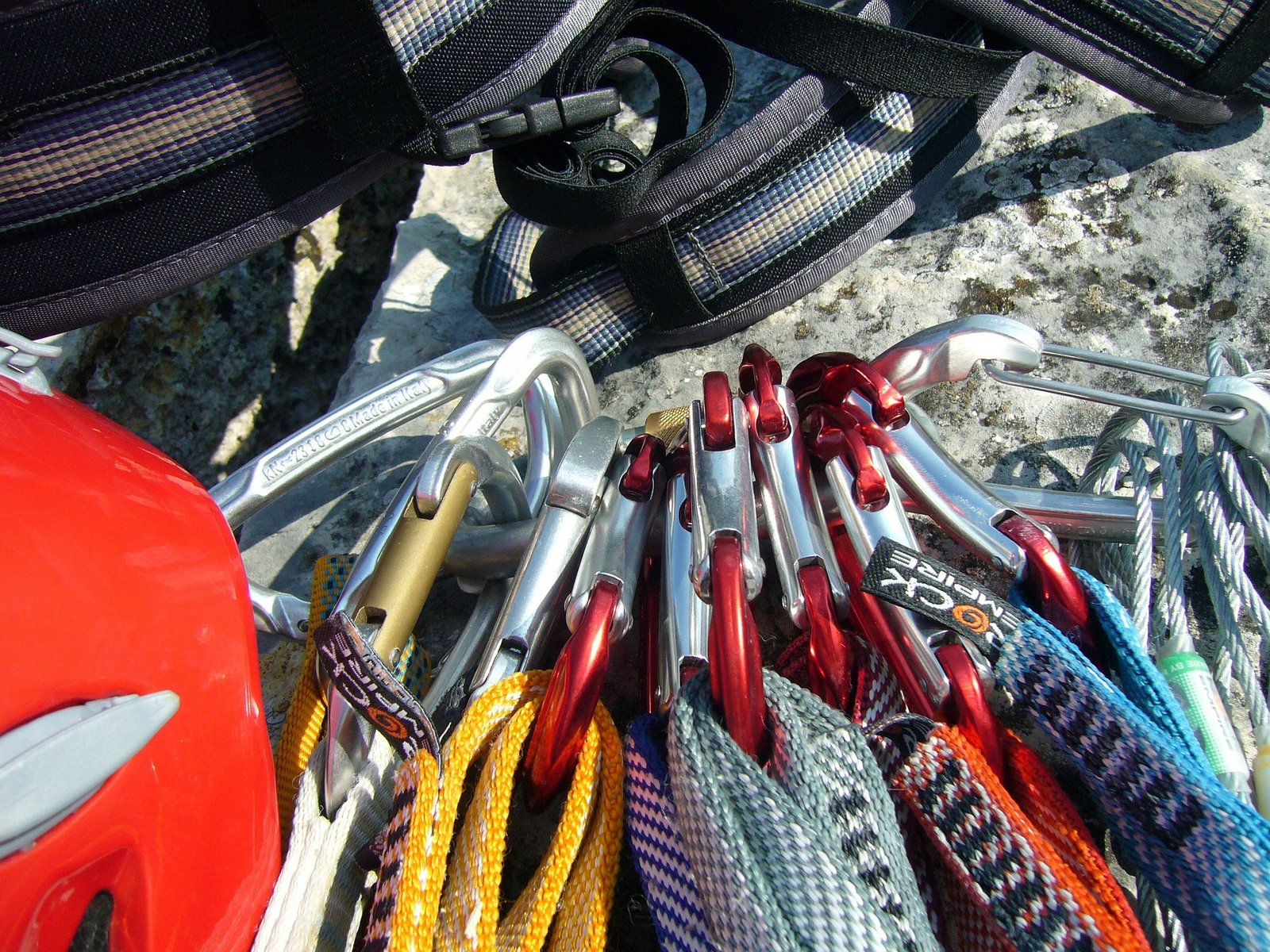
So now that you know what a quickdraw is and why you should use it, you’re ready to pick some out. It’s not as easy as it seems and some features that are good for one type of rock climbing won’t be great for another.
Some factors that come into consideration are the shape and size of the carabiners, the length and width of the sling or dogbone between, the weight, and the style of gate on the carabiner. These tiny details are crucial to picky climbers, but they all serve a purpose and that can be specific to the discipline of climbing you are using the quickdraw for.
Sport Climbing
Sport climbing tends to be more aggressive than other disciplines, so when looking for the best quickdraws for this discipline you want to look for something strong and durable. Quickdraws for sport climbing should be able to take the force of falls, have a gate that can clip and unclip easily, and have a strong dogbone to pull up on when working a route or project.
Larger Carabiners
Larger carabiners can take more force and tend to be easier to clip due to the longer gates. Those who are sport climbing aren’t usually concerned about weight since the routes are shorter and the gear is lesser than other disciplines.
Bent Gate Carabiners
Bent gate carabiners are easy to clip since they have an intuitive curve that makes guiding the rope into the gate a lot smoother. This is really helpful on hard routes that require some finesse when clipping.
Wide Dogbones
These are a good idea for sport draws because they can take a lot of force and be held onto when a climber is in the process of working some new moves or projecting. This is more of an advanced preference, but it is helpful for sport climbing in general
Good options for sport climbing are the Petzl Spirit Express, Petzl Ange Finesse, Petzl Djinn Axess, and the Black Diamond Hot Forge Hybrid. These all use solid gate carabiners on the bolt end and are easy to clip with dogbones that are easy to grab.
Trad Climbing
Trad climbers carry a lot of gear, and with that comes a lot of weight! Long routes that require a full rack can weigh you down and choosing the right quickdraws for trad climbing is really important.
Trad climbing requires climbers to decide where they want to place their own protection and then attach a quickdraw to that before clipping the rope. It adds an extra step and extra piece of gear than is required for sport climbing.
Small Wire Gate Carabiners
Smaller sized wiregate carabiners are the first things that will save a trad climber some weight. Using small biners can compromise the ease of clipping, however if climbing with half ropes this won’t be a problem. Some carabiners use lighter materials which can help save weight as well.
Wire Gate
Using a wire gate rather than a solid gate can help save weight for trad climbers. The wire gate also tends to be less likely to flutter open than a solid gate. A gate that is open is shown to hold one third of the force that a closed gate does, and although it is very rare that a gate would flutter open from vibration, it is important to note that wiregate carabiners are less likely to do so.
Consider the Petzl Ange Finesse and the Mad Rock Super Light for your next trad rack upgrade.
Alpine Climbing
Alpinism tends to be the least linear of the rock climbing disciplines leading climbers through zigs and zags, over odd features, and into unique spaces which leads to rope drag. This is where the alpine draw comes in.
Alpine draws don’t use a fixed length dogbone like other quickdraws but rather, a sling that is coiled in a way that the climber can choose to extend its length. An alpine draw can be prepped as a 20cm length and quickly become 60cm. This act of extension allows climbers to reduce rope drag as well as force in case of a fall. Extending the length of the quickdraw allows the rope to run in a straightforward path to avoid zigzags.
Alpine draws aren’t only used for alpine routes and many trad climbers tend to carry a few on their harness for safety.
Alpine draws use 10-14mm slings between two draws. Climbers can choose to build their own or purchase as a set, but these quickdraws require extra care, inspection, and placement. They are far less durable than a draw with a rigid dogbone and subject to twisting and overlap. There is no rubber retainer for the rope end carabiner to prevent the biner from flipping and ultimately unclipping the rope.
The Mad Rock Super Light is a great option to try out a lighter draw that can pair with your alpine draws.
What Is The Difference In Gates? Solid Gate vs Wire Gate
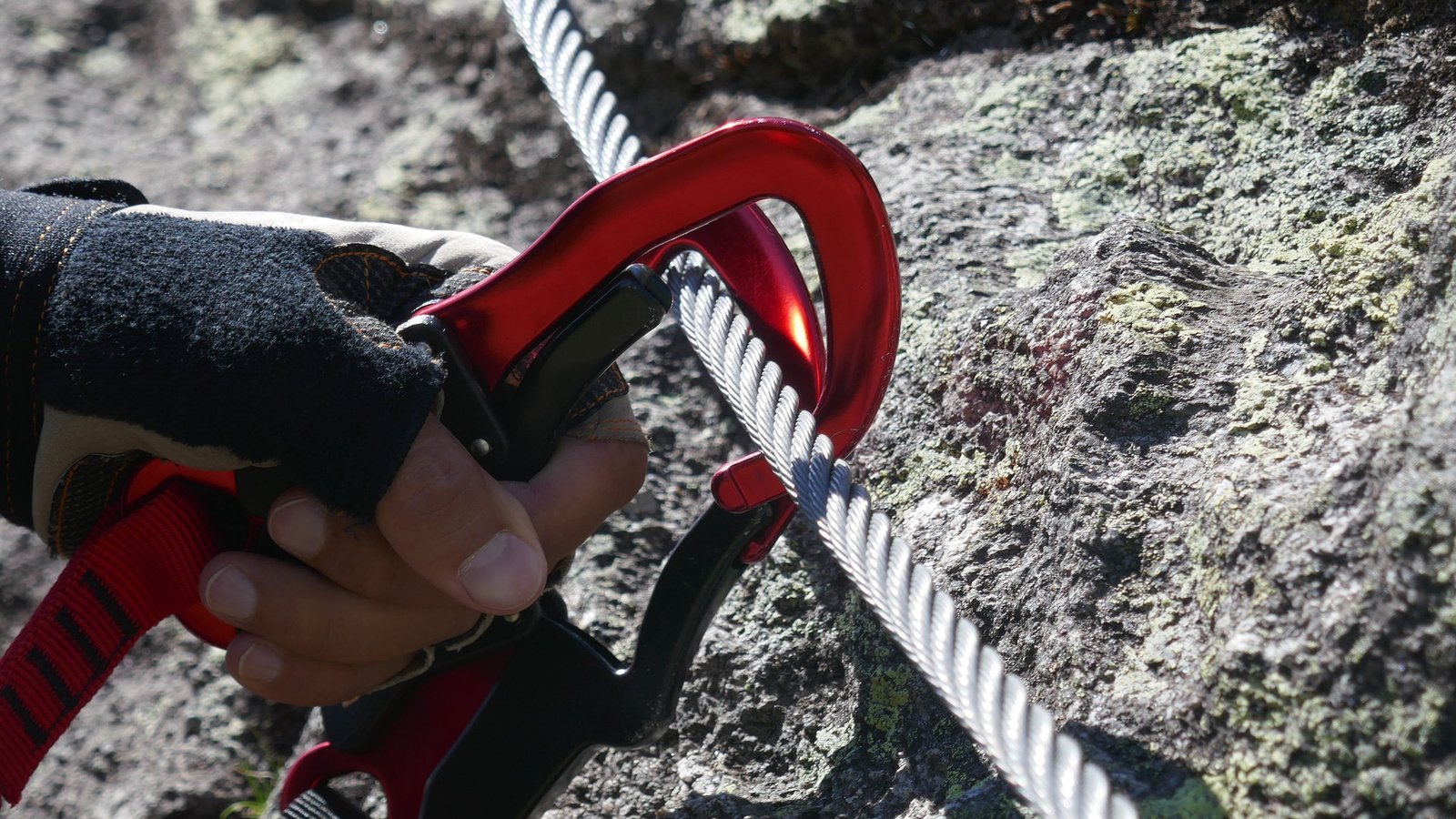
Carabiners have many types of gates and each hold their own purpose. Choosing the best quickdraws for rock climbing requires knowledge of gates and their purposes.
There are three main types of gates that are straight, bent, and wire. Both straight and bent gates are solid gates meaning that they are made of one solid piece of material rather than a loop that you see in wiregate carabiners.
Solid Gate Carabiners
More common and affordable than wiregate carabiners, these types of gates use one solid piece of material on a hinge at the opening of the biners. A solid gate has more material which allows it to withstand more force than a wire gate which is a loop. These are common in the best quickdraws for sport climbing like the Black Diamond Hot Forge Hybrid.
Solid gate carabiners can be either bent or straight. Straight gate solid carabiners are solid, straight gates that have one pivot from end to end. These are very common in sport draws. You'll see this on the Black Diamond Hot Forge Hybrid.
Bent Gate
A bent gate has a slight concave that creates an intuitive curve for clipping the rope. Bent gates are only helpful on the climber’s side of the quickdraw as they are designed specifically to ease the process of clipping. It is common to see quickdraws with a straight gate carabiner on one end and a bent gate on the other.
Keylock Carabiner
Another term to note here is a keylock carabiner. This is a carabiner that has a small notch at the opening that is strictly for the rope end. This notch keeps the carabiner from snagging on your harness, bolts, or slings. This is usually an upgraded feature but can prevent some frustration when clipping quickly is in order.
Wire Gate Carabiners
Rather than one solid piece of material, a wire gate uses a loop that starts at the hinge and loops around through a notch at the opening and back to the hinge. You'll see this in the Petzl Ange Finesse. The wire creates a spring on its own and decreases weight in the carabiner.
Due to its lightweight structure, a wire gate carabiner is less likely to flutter open when under extreme vibration or inertia. The open structure of wire gates makes them less likely to freeze and jam in cold temperatures, so they are also a top choice for mountaineers and ice climbers.
How To Choose the Best Climbing Quickdraw?
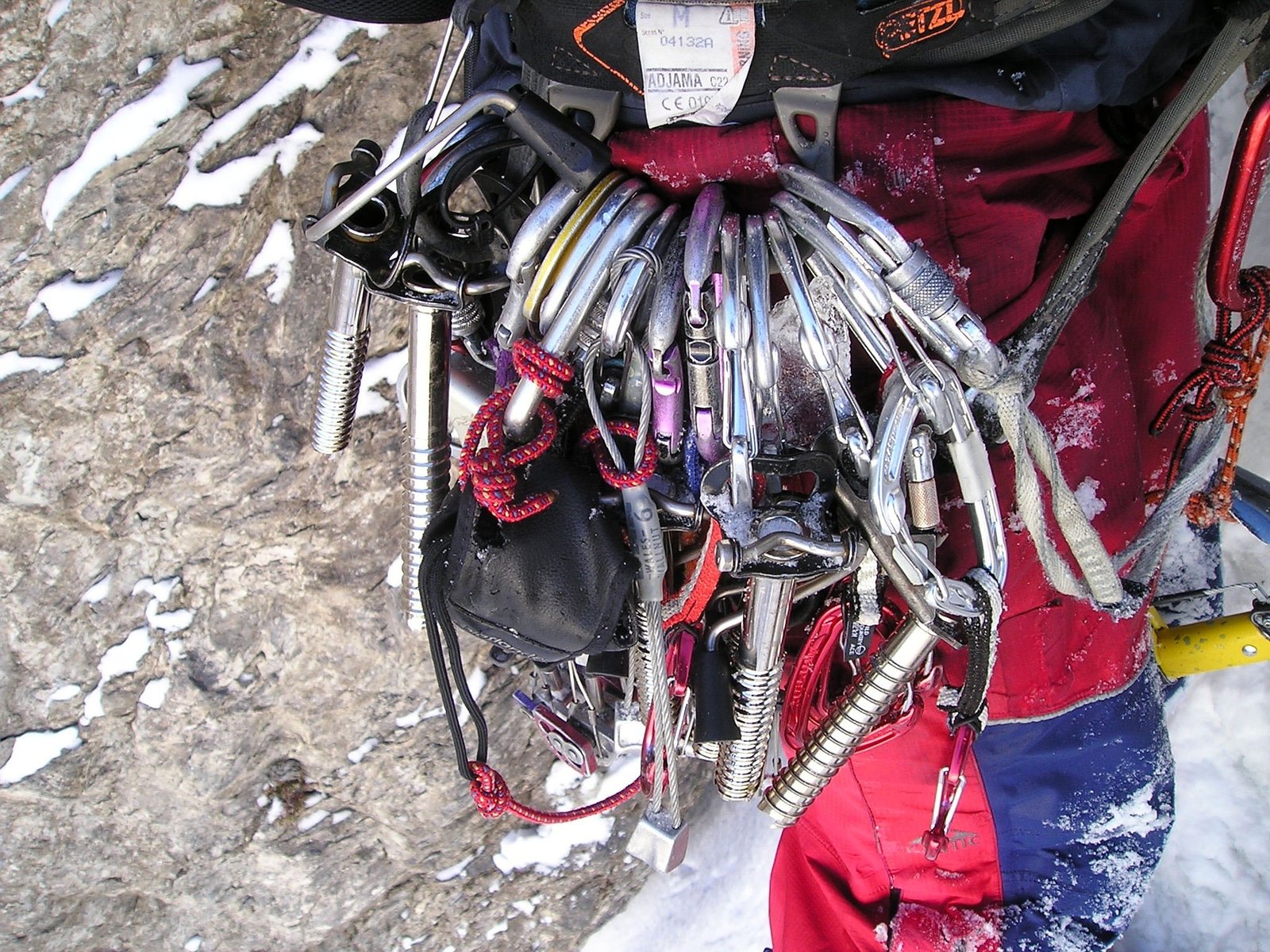
Each type of climbing is unique and so is each climber. Personal preference, discipline, and region are all determinants of what makes the best quickdraws for rock climbing. Here is a breakdown of what to look for when shopping for a new rack of draws.
Type of Climbing
The type of climbing is a big determinant of what type of quickdraw you will need. Remember that for sport climbing you will want sturdy large carabiners with wide dogbones. For trad climbing you will want narrow dogbones with medium carabiners and wire gates. And for alpine climbing you’ll want to build or purchase a rack of alpine draws.
Gates
Now that you know about what types of gates are out there, you’ll be able to use that knowledge to pick what kind of draws you want. Some draws will be made up of a combination of gate styles such as the Mad Rock Super Light or Black Diamond Hot Forge Hybrid and some will be consistent with a wire gate or solid gate.
Remember that the side of the draw with the rubber retainer is the climber side and this can determine what type of carabiner is clipping to the rope.
Slings and Dogbones
The slings and dogbones on a quickdraw come in a variety of lengths and widths. The width of a dogbone determines the weight and durability of a draw. The harder you are climbing, the wider you’ll want your dogbone to be. A wide dogbone can handle more force than a narrow one.
The length of a quickdraw ranges from 10-20cm unless you are in alpine draw territory where you can be reaching lengths of 60cm. A shorter sling or dogbone are most common and are perfect for the majority of sport routes. Longer slings or dogbones are great for preventing rope drag or evening out a sport anchor.
Sport climbers should have a selection of short and medium to long quickdraws to make sure they are ready for what the route requires. Some guidebooks will recommend longer draws depending on if there are large roof-like features.
Number of Quickdraws
A good amount of quickdraws to start out with is twelve. Most sport routes require twelve or less and you should be okay with this number. Guidebooks will state the amount of bolts on a route and this is the amount of draws you need.
It is a good idea to take an extra draw or two on a route just in case, and especially if you are using various lengths. If you are going to be setting an anchor to lower off and use for top roping, remember to take extra draws for that.
Carabiner Size
As mentioned, the larger the carabiner the more force it can handle, and the smaller the carabiner, the less it weighs.
Carabiner Shape
The shape of a carabiner is more of a personal preference. Depending on your slipping style or how you rack your harness, you might have a shape preference that develops over time.
Gate Clearance
Additional to the size of the carabiner, the gate clearance is a preference some climbers are picky about. The way you clip will determine if this is a factor for you.
A carabiner that is very deep can be difficult to slide the rope in with one hand, and a carabiner that is too shallow might be tricky for the climber to get their finger in the correct position to steady the draw.
Weight
The weight can come down to a precision number for those who are concerned with how much gear they are hauling. For sport climbers, this isn’t usually much of a worry as you’ll want something bigger and stronger anyways.
For alpine and trad climbers, weight can be a huge factor. Consider wire gates and narrow dogbones to achieve the weight savings you are looking for.
Sling Material
Slings or dogbones are made from combinations of nylon, polyester, and polyethylene. Ultra-high-molecular-weight polyethylene such as dyneema and dynex are much stronger than nylon or polyester. This material allows companies to create lighter and narrower slings that can still take on a big force.
So, What Are The Best Climbing Quickdraws?
Now that you know what you need for your discipline, what considerations to make for personal preference, and what styles of quickdraws there are, it’s time to get to know what quickdraw best for your needs.
1. Petzl Spirit Express


The Petzl Spirit Express is noted as one of the best all round quickdraws on the market.
Both carabiners from this Petzl Spirit Express have a keylock feature to avoid snags and make clipping smooth and easy. The dogbone is wide and easy to grab on when working some tough moves on a project. It is a super durable quickdraw that shaves ounces making it a lighter option for sport climbers.
This is a great step-up from the Petzl Djinn Axess.
2. Petzl Djinn Axess


The Petzl Djinn Axess draw is made for durability. These draws are designed with wide dogbones and larger carabiners to be able to take whipper after whipper. They are more affordable than the Spirit Express and slightly heavier which makes them the best option for entry level sport climbing.
This is a great choice for your first rack. The Petzl Djinn Axess is equipped with keylocks on both ends, clipping and unclipping will be simple and easy so you don’t need to worry about fumbling around when practicing your leads.
3. Petzl Ange Finesse


If you are looking for a draw that can do it all, the Petzl Ange Finesse is your number one. This is the best choice for those who dabble in multiple disciplines and don’t want to break the bank on multiple racks of gear. Call it a quiver killer if you like.
The Petzl Ange Finesse draws are light enough to join a trad rack, and durable enough for your next sport project. They are a bit more pricey than some of Petzl’s other draws in the line, but you will be paying slightly more for a product like the Ange Finesse that truly does it all.
4. Black Diamond Hot Forge Hybrid


Released in 2020, Black Diamond’s new spin on the Hot Forge is the Hot Forge Hybrid. This new version of the classic Black Diamond quickdraw combines their tried-and-true Hot Forge carabiner with keylock on the top for easy unclipping and strong construction with a Hot Wire wire gate carabiner on the bottom for weight savings and easy clipping on the rope side.
This hybrid model is a great option and a celebrated addition to the Black Diamond catalog.
5. Camp USA Orbit Wire Express


The Camp USA Orbit Wire Express is another great all-round option to add to your rack. This draw is considerably light for its price and performance and again, a great option for beginners.
It doesn’t have the bells and whistles that some high-end draws have, but if you are looking for something to get you clipping bolts with, this is what you need. It isn’t the best of the best, but with practice and dedication, you’ll figure that out later and the Camp Orbit Wire Express will get you where you need to go in the meantime.
6. Mad Rock Super Light


The Mad Rock Super Light is the best draw for trad and alpine climbers looking for a draw that will save some weight without breaking the bank. This is a light weight draw with a narrow dogbone and wire gates on both ends.
The clipping on these Mad Rock can be a bit stiff, but if you aren’t sport climbing, you probably don’t need your draw to save you in the heat of the moment. This draw uses a combination of the Mad Rock Tech Straight Gate and the Wire Bent Gate. This makes for a versatile quickdraw that can conquer a variety of climbing.
So How Do You Choose?
Finding the best quickdraw can be difficult if you are being specific. The best style of quickdraw for sport climbing won’t be the best style of quickdraw for trad climbing.
Remember to consider factors like gate, size, length, weight, and sling when choosing what's best for you. If you are climbing with partners and don’t have your own rack yet, pay attention to what feels good when clipping and unclipping, building anchors, and racking up your harness. This is often helpful for climbers who have been using the same gear for a long time and notice differences when using other people’s gear.
Are They Safe?
All quickdraws are rated to safety standards and all will get the job done. Their purpose is to create protection between your rope and the route, and all quickdraws will do so. If you are fussy, you should consider the Petzl Spirit Express or the Black Diamond Hot Forge Hybrid to make everything smoother.
Best Overall
The Petzl Spirit Express holds the popular opinion for best overall quickdraw. It is packed with features and is easy to clip and unclip while remaining strong, reliable, and portable. The dogbones on this quickdraw are easy to grab when working on a project or a few hard moves. For regular days at the crag to big sport projects, the Spirit Express is the best choice when looking to send.
There are countless contributors to what makes up the best quickdraws, and it can come down to a tiny preference like the way your index finger sits in the carabiner when clipping. Everything comes into play when a climber is getting ready to clip their first bolt on a route or place their first cam and knowing what is best for you will make climbing a lot easier. So, when you are trying to find the best quickdraw for climbing, focus on your discipline and you’ll be able to pick some out without hesitation.