
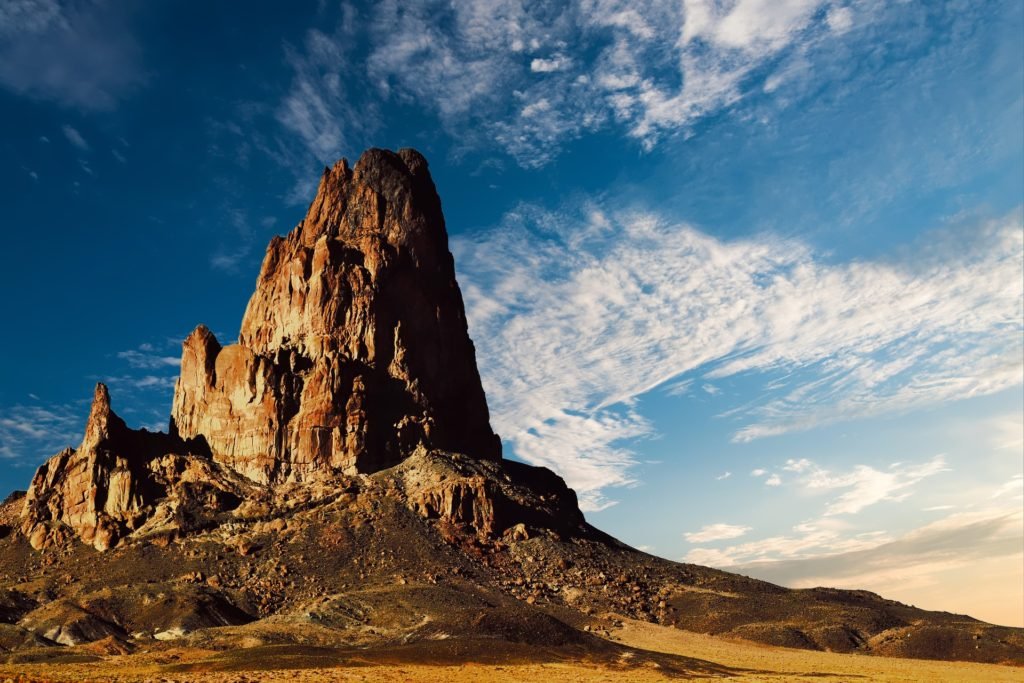
There’s no shortage of rock in the arid state of Arizona. The entire interior of the rectangular state is littered with world-class climbing crags. Stretching from the Grand Canyon through to Flagstaff, The Superstitions, Phoenix, and the Grand Mount Lemmon, there is plenty of rock here. Arizona boasts rock that is suitable for trad, sport and of course, bouldering. It seems like a flat desert landscape but climbers will be surprised to find mountain views, canyons, and varying types of rock when bouldering in Arizona.
How Much Bouldering is There?
According to Mountain Project, there is over 10,000 climbing routes in Arizona and 22.8% of those are boulder problems. That makes for a high percentage of Arizona bouldering spots in diverse landscape. Climbers flock to Arizona to climb in the winter and there is no shortage of quality rock complete with stunning views of the desert and mountains here.
What Types of Rock?
Arizona boasts an incredible amount of rock throughout the state. You can find quartzite, dacite, basalt, granite, limestone, sandstone, gneiss, monzonite, and tuff. There is some world-class rock in Arizona, and because it is such a large state, there is plenty of rock to go around.
When to Climb?
Southern states see a lot of visitors in what is normally shoulder season for other states. The summers here are too hot for climbing and the fall, winter, and spring months are perfect for long days on rock. The prime climbing season in Arizona is December to May when temperatures are tolerable for climbers.
Where to Climb?
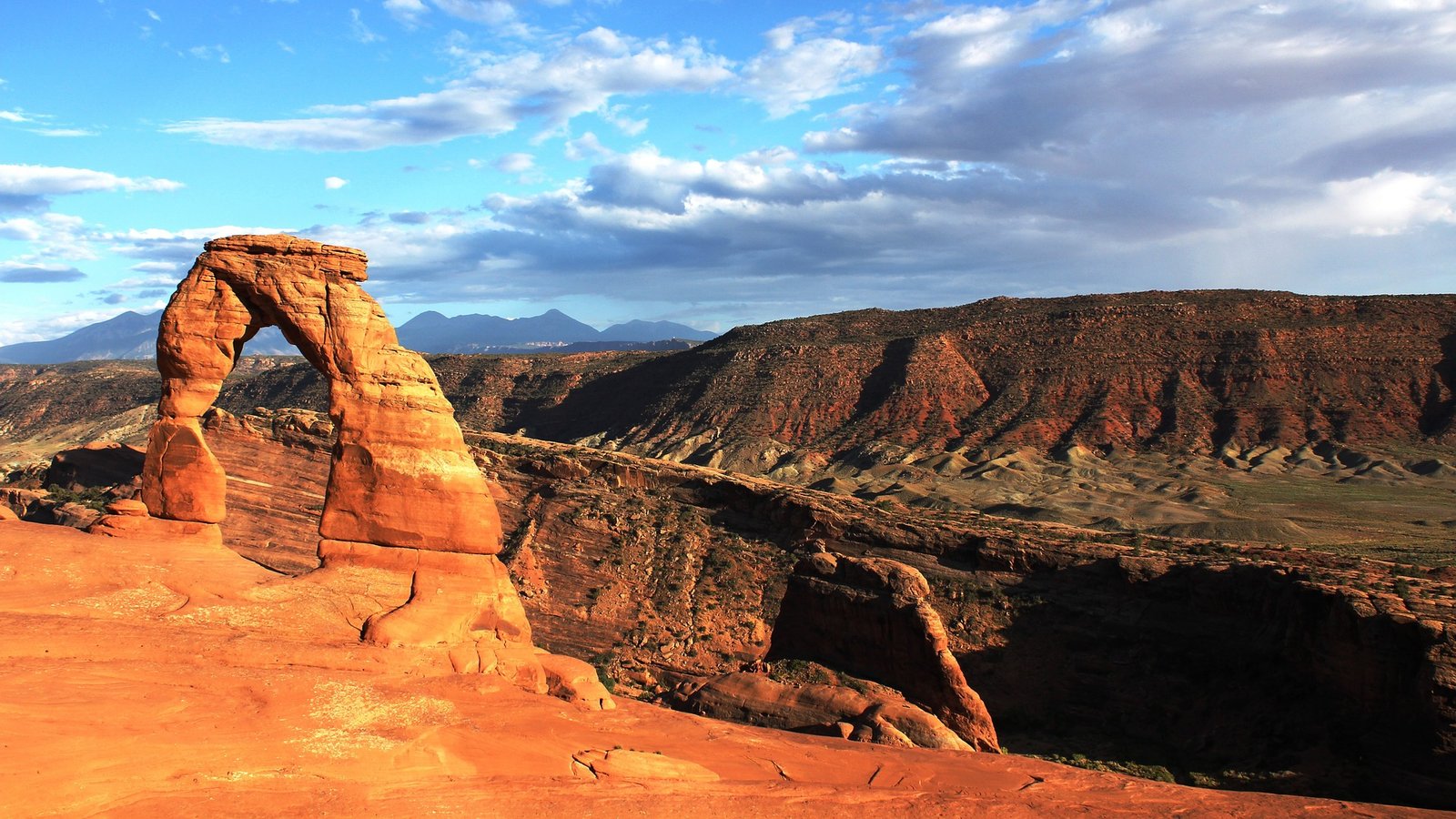
The state of Arizona is broken up into Northern, Central, and Southern. There are endless rock climbing areas in each of these sections of the states. Arizona is bursting with unique rock features and fascinating scenery. The zones vary from incredible limestone and sandstone to world-class granite. There are endless options, and by breaking it down into three main sections of the state, you’ll be able to get to some unrivalled new crags.
Northern Arizona
Climbing in northern Arizona stretches from the Grand Canyon into Flagstaff. A natural feature called the Mongollon Rim lies next to Flagstaff creating a forested land formation replete with volcanic canyons, limestone and sandstone cliffs, and endless boulder problems. There are some options in the Grand Canyon area as well. The climbing in the north is great for all abilities. Here are some of the best bouldering areas in the north.
North: Flagstaff
The city of Flagstaff is home to many types of rock and amazing year-round rock climbing minutes from the city. Buffalo Park is a bouldering area directly in the city limits that has a multitude of grades to meet all abilities.
South of the city climbers will find Priest Draw, Kelly Canyon, and The Ridge. Priest Draw is home to limestone pocketed roofs that make for unique gym-style problems. Kelly Canyon is a sandstone bouldering crag that requires extra pads for taxing top-outs. The Ridge is a limestone wall with Arizona classics.
North of the city climbers are drawn to San Francisco Peaks and Mt. Elden. San Francisco Peaks is made up of volcanic dacite in unsullied condition. This area stretches out the grade scale and is home too many classics. Mt. Elden is a historic rock climbing area in Flagstaff with routes dating back to the 70’s. You’ll find crimpy high balls here below the famed mountain.
North: Sedona
Although Sedona doesn’t have the highly concentrated quality climbs that Flagstaff is home to, there are still areas that are worth a trip. The Anvil Boulders and Grasshopper Point are the crags to climb in Sedona.
The Anvil Boulders are close to the city are made up of fun climbs on excellent sandstone. There is a great variety of grades here. Grasshopper Point is a creek side area with a variety of black and tan sandstone. This is best visited in winter as summer is too hot and spring can flood some access to the area.
North: Grand Canyon
Lots of folks don’t think of boulders when you hear Grand Canyon. The approaches here can be taxing as with anything in the Grand, but they are there if you work for them. The Big Ditch requires some hiking, but when you arrive on foot, you'll see that it is an area where you can climb on quartzite, sandstone, limestone, and granite all in one day. This is one of the more unique places to climb in Arizona though not visited by most.
Central Arizona
Moving on to middle of the state you’ll find more desert landscapes and different rock. Phoenix is the climbing mecca of the area that offers quality bouldering areas right in town. Areas like Piestewa Peak, Shaw Butte, and Phoenix Mountain Preserve are all protected areas that keep rock climbing quiet and contained.
Central: Phoenix
Phoenix is as accessible as it gets in Arizona and the rock climbing here is endless. The summers can be extremely hot, so avoiding summer trips to the crag here will save you. Some of the best bouldering near Phoenix is at Queen Creek and Eagle Tail Mountains.
Queen Creek is made up of volcanic towers and is a popular area for all types of rock climbing. There are routes of all grades and styles here making it perfect for everyone. There is everything from micro crimps to deep pockets in this area that has been developed continuously since the nineties. Eagle Tail Mountains are equipped with a great variety of routes such as Queen Creek. The Eagle Tail Boulders are a great place for winter bouldering. There is incredible diversity here and lots of potential for new development if you are willing to hike around the large area to explore.
Central: Prescott
Located north of Phoenix, Prescott Arizona is home to some excellent climbing. The most popular areas here are Watson Lake, Main Boulders, and Flora Street Boulders.
Watson Lake is a stunning reservoir just outside of town with world-class bouldering. The climbs are reminiscent of Joshua Tree California and have been developed since the nineties. Main Boulders are made of granite with plenty of crimps and slopers. These quality routes require tough hands and are sure to get you pumped. You might feel like you are climbing on a gym route at this outdoor mecca. Flora Street has clusters of problems within city limits. There are cracks, high balls, and lowballs, but Flora Street is full of bad landings. Bring extra crash pads and be sure to have a spotter.
Central: Oak Flats
Oak Flats is a highly concentrated place about an hour outside of Phoenix. Climbers will find an endless amount of problems to climb here. Atlantis, Davey Jones Locker, and Entrance Boulders are the most popular here. There is everything from slabs to high balls at this year-round climbing destination. Hike around the area to get a full conception of what this place offers on foot. Some of the high balls have bolted anchors equipped for top-roping at the crag. Nearby Euro Dog Valley is a great area with a creek to cool off in in the summer.
Southern Arizona
Home of the monumental Mount Lemmon, the southern state is home to the incredible bouldering of Tucson. There are countless campgrounds next to bouldering spots, wilderness areas filled with climbing areas, and cool winter zones with canyons and valleys. You'll be able to catch a lot of quality views in the desert. It is one of the many great places to take classic photos. The southern state is the go-to for winter climbing in Arizona.
South: Tucson
Famed for its trad and sport routes, Tucson is home to home to some expansive bouldering areas. They might not be the best quality crags in the country, and you’ll definitely come across some choss, but these areas are worth checking out. Sadly, the popular Silverbell Boulders has been closed due to an access issue involving trespassing. This was one of the most popular areas. Climbers will now head to Gate’s Pass and Panther Peak for Tucson area bouldering.
Gate’s Pass is a beautiful area with problems ranging from V0-V9. There are plenty of roadside options and even more if you are willing to explore. This is a real Sonoran landscape with Saguaros standing all around. Panther Peak has one of the most concentrated boulder areas in the south of the state with climbing and mountain views that is much different than other areas.
What Guidebooks are Available?
If you are looking for a guidebook to head out and send some problems in Arizona, pick your area first and find the right book. A general guide titled Rock Climbing Arizona from the popular Falcon Guides is a great place to start. There are many smaller climbing guidebooks and internet resources out there. Head to the local climbing gym or outfitter and talk to the staff to get some local beta on where you should go and how to get there.
Time To Send!
Now that we have broken down the state into three prominent sections, it should be pretty simple to pick out the best zone for you to climb in. If you are a multi-disciplinary climber, you’d best head to north to put all your skills and gear to use on quality rock. You can climb trad, sport, and boulder all in one area if you pick the right place and elevation.
Arizona is a multi-faceted and large state with endless rock to explore. It is a great getaway for those seeking a winter getaway or shoulder season sessions. Climbing in Arizona won’t disappoint, and the boulder scene will provide everything you need. You’ll be able to pull on everything from limestone to granite to dacite while visiting Arizona. There isn't much hiking involved in the short approaches that Arizona offers. You'll be able to get to a lot of the top areas on foot in less than half an hour.
Arizona isn’t generally known for its bouldering when compared to USA all-star areas such as Joe’s Valley, The Buttermilks, Hueco Tanks, or Joshua Tree. It is however highly concentrated and diverse, and a great way to keep bouldering all year round. Visit Arizona for your next off-season training session or winter getaway and you’ll be pleased with what it has to offer.