We're all inclined to spend big on climbing shoes. That's understandable because rock climbing is such a precarious sport and nobody wants to risk their safety with a cheap set of kicks. But while that pretty new pair might have cost you an equally pretty penny, the unfortunate reality with rock climbing shoes is that they won't last as long as you might have hoped.
So, exactly how long do climbing shoes last?
Depending on how often you use them and how much care goes into their maintenance, even a solid set of climbing shoes might not last more than nine months. But don't let that dissuade you from spending big on a good pair especially when you can extend their service life with these practical tips.
How Long Climbing Shoes Usually Last
There's really not a single answer to the question 'how long do climbing shoes last?' The reason for that is because there are several factors that contribute to the degradation and wearing out of a set of new climbing shoes.
Understanding the different variables that can shorten (or lengthen) the lifespan of your beloved climbing kicks should make it easier for you to picture out when you might need a repair or a total replacement.
Generally however, you'd be lucky to see your climbing shoes pass the 9 or 10 month mark. However some shoe brands express their confidence in their shoes longevity by slapping year-long warranties on some of their designs.
What Factors Affect Climbing Shoes' Lifespan?
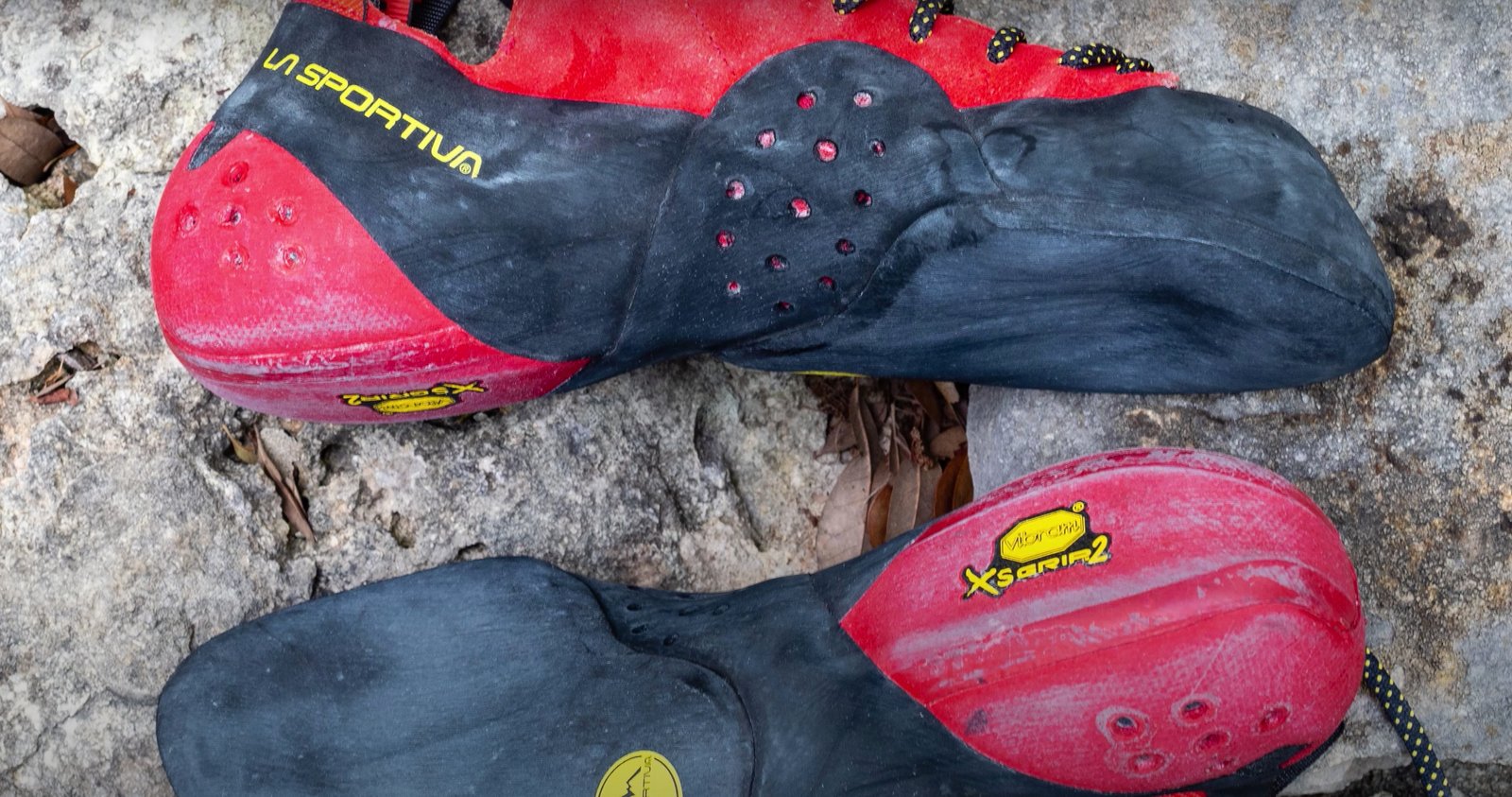
Some of your climber friends might have been sporting the same old shoes for the past decade while others might have had to buy replacements once or twice a year. That just proves that a climbing shoe's lifespan isn't set in stone.
When answering how long do climbing shoes last, several factors come into play, and these include:
Make and manufacturer
You really can't discount the benefits of buying from a well-established brand. Don't get us wrong -- there are tons of small companies out there that manufacture durable, reliable climbing shoes that retail at lower prices. But if you're thinking about warranties and guarantees, it's hard to go wrong with a trusted name.
Some brands are so confident in their products that they'll even offer year-long warranties that protect your purchase against manufacturer defects and certain damages.
Maintenance
A quality pair of climbing shoes can easily cost upwards of $300. So penny-pinching climbers have found that maintaining shoes and their rubber instead of replacing them can help maximize their lifespan. Proper maintenance doesn't just involve routine cleaning and proper storage, but also entails repairs like rand replacement and resoling.
A word of caution though -- climbing shoes can only be repaired to a certain point. In some cases when damage, wear, and tear are extensive, resoling and toe box repair may cause more harm than good.
Usage frequency
If your rock climbing shoes only see action once or twice every four week period, then you can expect your kicks to last over a year or more with proper maintenance.
Most experts assert however that regular rock climbing (once or twice a week) can shorten your shoes' service life to just nine months. Remember though that this is an extremely rough estimate that's subject to a variety of other factors. With proper care, even a set of shoes that see action multiple times a week can last decades.
Type of climbing
What kind of rock climbing do you usually enjoy?
Using shoes for indoor climbing makes them less prone to wear and tear. That's because unlike outdoor rock climbing, climbing indoors isn't usually as harsh.
Alpine or crack climbing are significantly more demanding and may necessitate more aggressive use of your shoes. That's why most shoe brands and climbing gear companies like La Sportiva sell different styles of climbing shoes to match specific climbing activities.
When is It Time to Replace Climbing Shoe Rubber?
If you're just not ready to retire your good ol' climbing shoes just yet, then having your climbing shoes resoled might be a smart solution. The resoling process will cost an average of $100, and may add significant length to your shoes' lifespan.
How can you tell when it's time to resole your climbing shoes? Well, a good look at the material should clue you in. The first place you should look would be the rubber under the big toe. Climbers will ideally use their big toe for most of the climbing process, so the rubber underneath that area will present the most wear.
If the sole rubber is thinned out and smooth because of repeated friction and flexion, then a resole might be in order. This entails removing the entire sole rubber either by ripping them out or shaving them down, and then placing a new sole and cutting it down to proper size.
But what if the soles and the rand have both lost integrity? The rand is basically a thin sheet of rubberized material (typically the same material as the soles) that covers the toes and all the sides of the climbing shoe. This provides extra grip and protection for the toes when you jam your feet into a crack in a wall or into rough surfaces.
For added stability and grip while transitioning footing, climbers will drag the rand rubber over the wall as they climb on the way to their next foot placement. This causes wear to the material which thins it out, potentially exposing the dorsum of the foot to injury and reducing the shoes' grip.
The problem with rand repair is that you can't have it done without taking the soles out. So when it's damaged, possibly toe rand work may be necessary aside from a sole repair. Another thing is that climbing shoes usually only survive one rand repair in its lifetime, or two to four resoles.
Over time, even good shoes will lose their shape and the upper material may become too soft for either of these repairs. It's recommended that you replace climbing shoes instead of trying to repair them once the shoes reach a certain point of damage and wear.
Tips on Making Climbing Shoes Last Longer
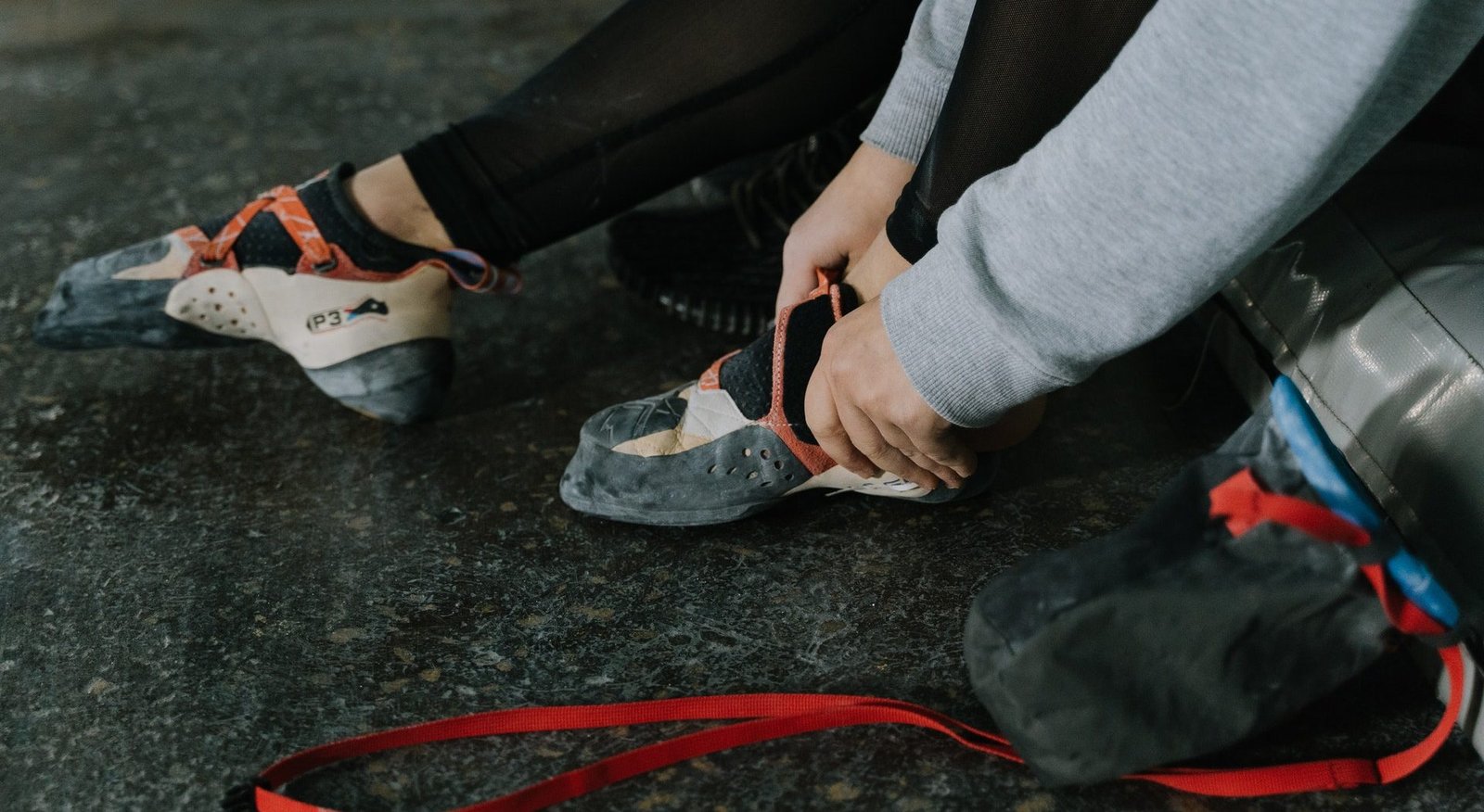
How long climbing shoes last depend largely on how you use and care for them. Nobody wants to retire a $300 pair of climbing shoes after just a few months on the rocks. So to make the most of your investment, here are a few actionable tips you can try to extend their usable lifespan without having to resole climbing shoes:
1. Get the right size
Extremely tight shoes are uniquely susceptible to wear and tear. While a climbing shoe should be snug, it doesn't have to fit your foot like a skin-tight glove.
A good rule to follow when deciding on size is that your climbing shoes should be a full size smaller than the shoes you usually wear. You can also choose a climbing shoe with adjustable closure systems for a more dynamic fit.
2. Don't walk in them
The natural flexion and movement of your feet while walking will bend and stretch your climbing shoes soles in ways it wasn't designed to be. So using them to walk over plain, flat terrain can cause friction and wear that could degrade the sticky climbing shoe rubber material.
Shoes last longer when you use them as intended. See to it that you avoid wearing your shoes unless you're face to face with the rock you plan to climb.
3. Choose an appropriate design
This should be self-explanatory, but it's worth expounding no less. Those aggressive shoes with ultra pointy toe boxes might look super cool, but they serve a greater purpose than just style.
Gym climbers need to pick climbing shoes that are intended for indoors, and outdoor climbers need to do the same. If you enjoy different climbing styles, you can try a dynamic shoe like the La Sportiva Katana that's designed to protect your feet and provide traction both in and outdoors.
4. Air dry them
It's tempting to melt into your sofa as you soak up the burn after sending a route. But before you pass out into a deep sleep, make sure you pop your shoes out of the shoe bag.
Allowing moisture (see: sweat) to thrive on the material encourages the growth of bacteria and microbes that hasten the degradation of the material. You can tell that these contaminants have proliferated once your shoes smell funky even after airing them out.
5. Clean after each use
We all know that leaving something dirty is bound to shorten its lifespan, and climbing shoes are no different. But take heed -- scrubbing with an abrasive wire brush and cleaning with harsh chemicals can do more harm than good.
Keep your shoes clean without damaging the material. Use gentle cleaners and soft bristles or a damp cloth to get rid of the shoe goo.
6. Practice, practice, practice
Sloppy footwork places unnecessary stress on various parts of the shoe. So amateur climber performance and feet placement can actually damage shoes faster.
Earn more climbing experience on the wall to make your climbing shoes last longer. Consider your feet before you climb to a position on the wall or face a big boulder problem to minimize the damage on your shoe rubber.
Frequently Asked Questions
Here are some common questions asked (and the answers to them) relating to the lifespan of climbing shoes:
How do you tell if your climbing shoes are worn out?
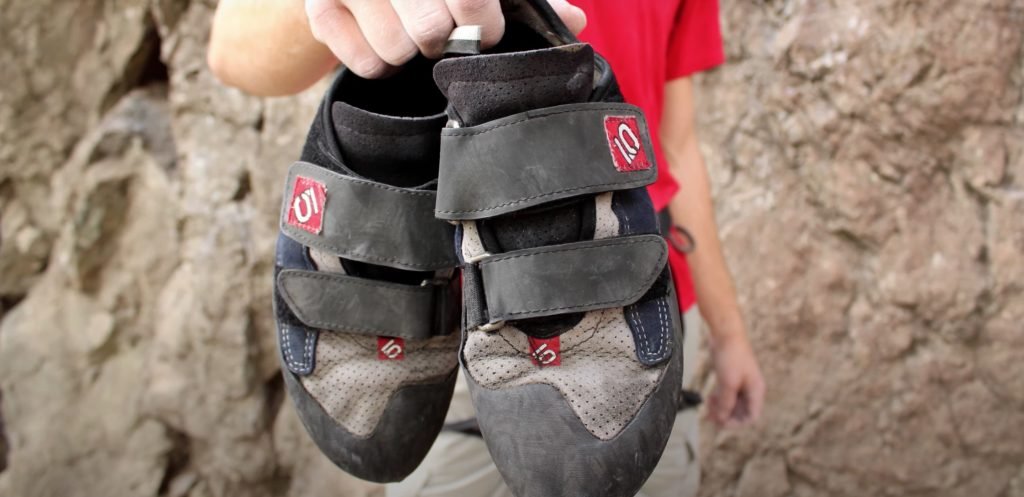
It's really not that hard to spot if your shoes are worn out. The first sign is that the rubber is shiny instead of matte and tacky. The soft rubber might also become more rigid and resistant to flexion. If you take a peek on the underside, you'll notice worn areas where your toes step. These can be thinner than the rest of the sole.
Other signs include a peeling rand or sole, holes in the uppers, once sharp edges have rounded out, and of course, the ultimate marker, poor performance and grip. If you spot enough wear to warrant a resole, see to it that you don't postpone the process.
Why do my new shoes wear out so fast?
There's more than one reason for a perfectly good set of climbing shoes to wear out too quickly. Bad footwork, poor maintenance and cleaning, frequent use especially on challenging terrain, using the wrong shoes for your specific climbing style, and wrong climbing shoe choice can cause the shoe rubber to wear out at a faster pace.
Make 'em Last
Climbing shoes wear out fast -- but only if you don't take care of them properly. What many climbers don't realize is that how long climbing shoes last depends greatly on routine cleaning, correct storage, and professional repairs.
When was the last time you had your shoe rubber checked and replaced? Extend your shoe's lifespan and protect your foot while you're on the rocks by getting your shoe rubber replaced by a professional.