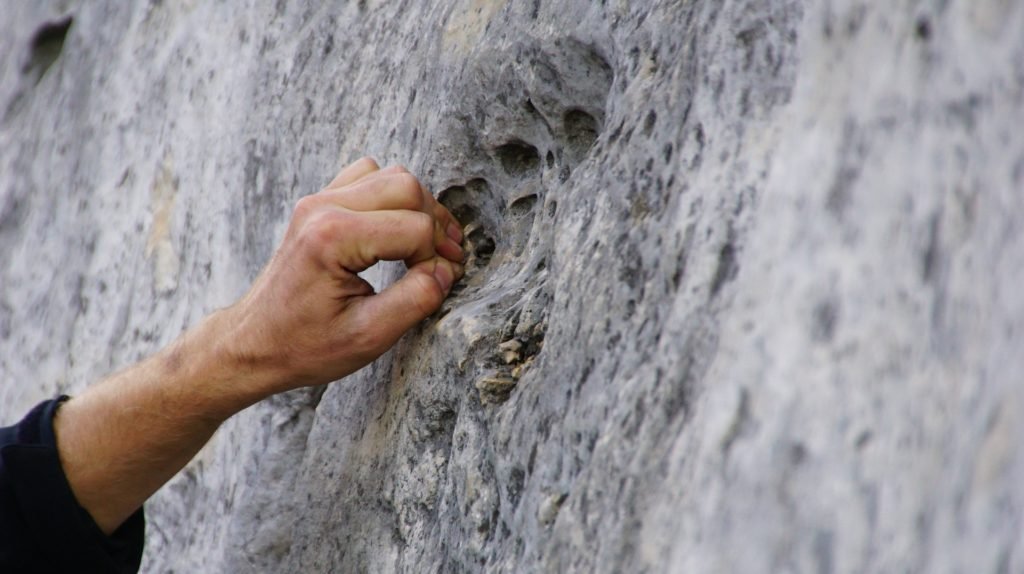
Although being classified as rock climbing, crack climbing is a sport of its own, and attracts an entirely different breed of climber. There's just something about it that brings the adrenaline junkies together in a feat of jamming, pulling, and wedging their bodies into precarious positions.
It's hard to say how climbers are drawn to crack climbing. It might be experience with trad climbing that leads to cracks, proximity to popular crack climbing regions, or the hunt for adrenaline.
Crack climbing varies in designation by width. There are trad routes that follow cracks but are full of positive features, thin finger cracks, hand cracks, chimneys, and off-widths. Each type of crack requires particular gear to aid the climber in building protection and creating barriers between the rock and themselves.
Generally, your trad rack will be determined by the size and type of crack you will be climbing, as will your attire. From the type of pants you wear, to how you protect your hands, crack climbing calls for a certain type of get up.
When jamming, pinching, and wedging ourselves and our hands into rock, there comes a time where crack climbing gloves become absolutely necessary. We are here to help you find the best crack climbing gloves for your needs.
What are Crack Climbing Gloves?
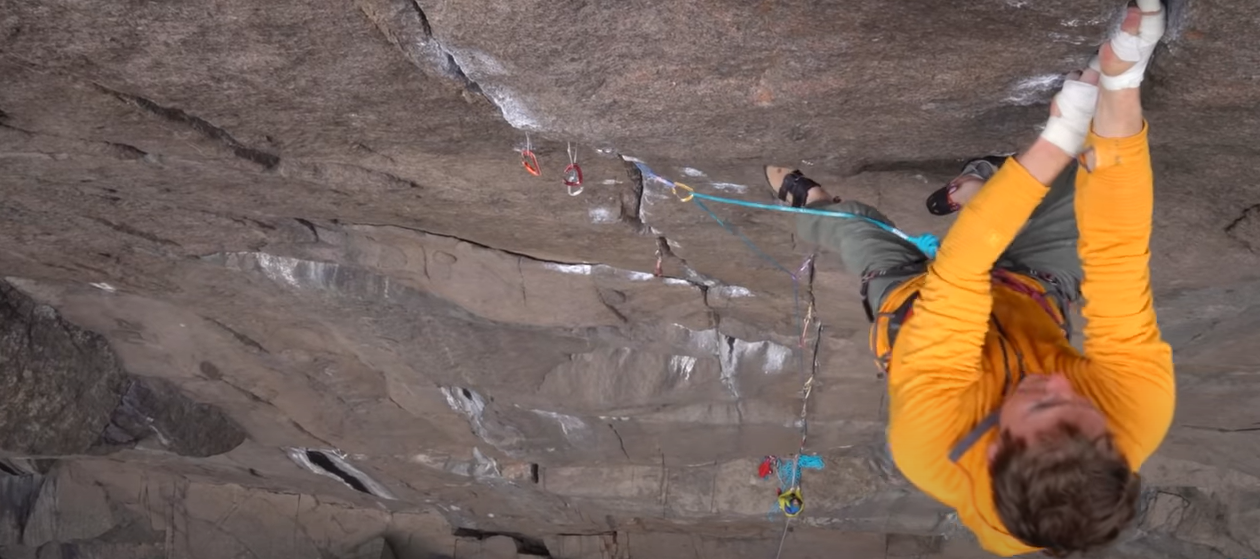
Historically, masochistic crack climbers let their hands be victim to the cheese grater texture of their favourite crack routes, leaving raw chewed up skin behind. This practice evolved with climbing tape, as climbers began to tape the parts of their hands most subject to the rock.
Tape Gloves
Over time, taping turned into complete tape gloves, which many climbers still use today. These are more of a disposable option, even though some tend to reuse these over again on a particular route. The idea of these is that climbers can protect their skin while maintaining friction and movement on a given route.
Reusable Gloves
The birth of reusable gloves wasn't met with celebration as one might think. Many climbers saw crack gloves as gimmicky or too gear heavy. Diehards stuck to tape gloves, and still do. Crack climbing gloves have gained popularity, and crack climbers around the world have started to recognize them as a very functional piece of gear.
So, Why Use Them?
Some may ask why they should choose crack climbing gloves vs tape, which is a valid question. If tape gloves have been circulating the climbing world for decades, why buy an expensive pair? It might come down to personal preference, but there are plenty of pros to picking up a pair.
Climbing with crack gloves creates a more consistent friction, reliable protection, and a reusable product. Taping up your hands takes up time, and if you are regularly climbing with tape gloves, you will go through a lot of tape, which in turn, adds up to the cost of a reusable pair of crack climbing gloves.
Are They Worth it?
So, now we ask, are crack climbing gloves worth it? Of course they are worth it! Crack gloves are reusable, long-lasting, reliable, and ease the pain of crack climbing. No, it's not cheating, nor is it violating any sense of purity. They are simply a tool to aid in crack climbing.
Surprisingly, there are not many options when looking for the best crack climbing gloves, which makes the decision easier. A pair of crack climbing gloves runs between $50-$60 USD, which is about the same cost as 10-12 rolls of climbing tape. One roll of tape generally lasts for five sets of tape gloves, meaning that one pair of crack gloves is the equivalent cost of 50-70 sets of tape gloves.
With that math in mind, how long do a set of crack climbing gloves last? It is apparent that the best crack climbing gloves should last much longer than 50-70 days out, which is the equivalent cost in tape.
There are many contributing factors such as coarseness of the rock, or hand jamming frequency and technique, but the sheer convenience of throwing some gloves on your hands rather than taping up should be enough to convince you that crack climbing gloves are definitely worth it.
How Will the Fit Compare to the Customization of Hand Tape?
Taping up lends to a completely custom fit, but the current range of climbing gloves on the market offer excellent sizing sure to fit your specific needs. The top crack climbing gloves at the moment each host their own design, which means fitting varies drastically.
The Outdoor Research Splitter Gloves for instance uses a combination of suede and leather and comes in three size options. The simple finger loops reduce bulk on the fingers and focuses on protection for the back of the hand.
The new Black Diamond Crack Gloves use a full coverage style that is 3D molded for maximum articulation. These gloves use synthetic suede and rubber for abrasion protection and cover most of the hand up to the knuckles.
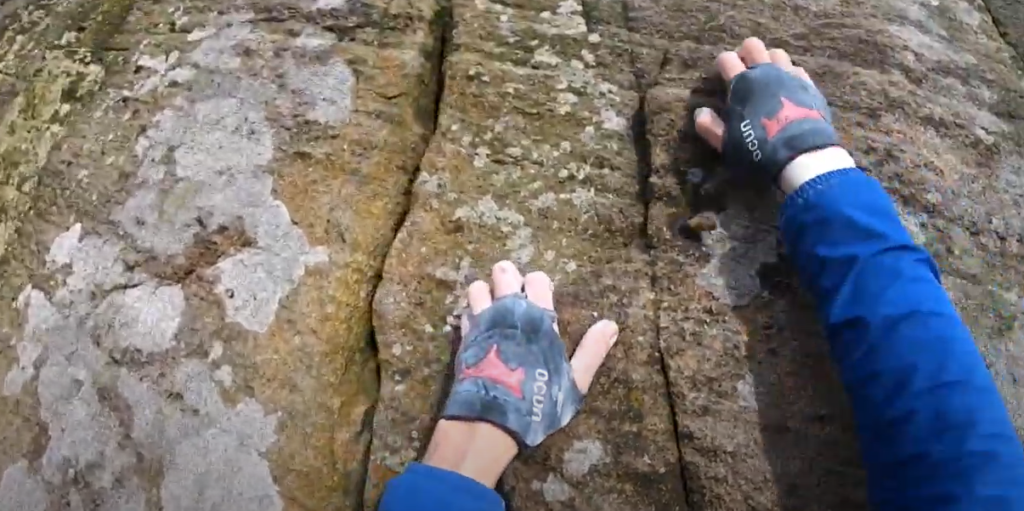
The ever popular Ocun Crack Gloves are another simple design with minimal coverage. These gloves focus on protecting the back of the hand and use a finger loop design with hook and loop closure. These anatomical rubber focused gloves tend to be stiffer and more durable with less flexible sizing.
Any style of climbing glove will have a detailed size chart for you to input measurements and find the right fit. You'll have to determine what you will be using your climbing gloves for most when deciding on the size and fit. Some prefer a softer material like the Black Diamond gloves that feel less abrasive on your hand, while others like the tough structure found in the Ocun gloves.
What to Consider When Choosing the Best Climbing Gloves
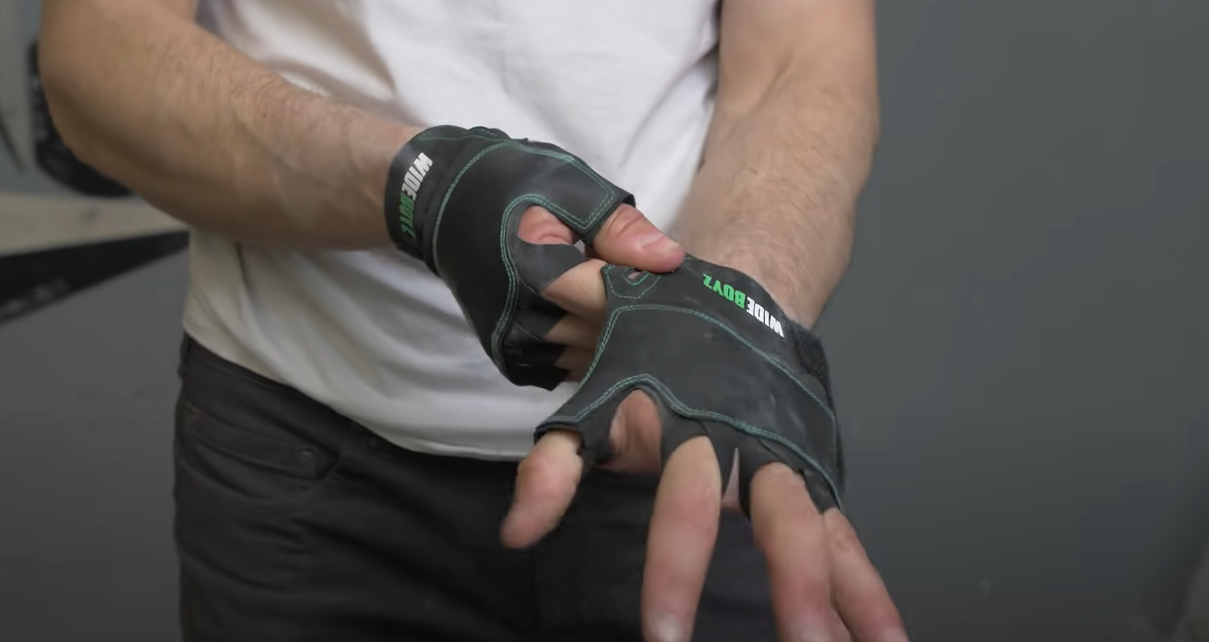
There aren't many factors to consider when choosing the best crack climbing gloves, but it is important to think about what you want. If you are converting from tape, you will likely be looking for a very specific feel, and if you are diving right into the world of crack climbing, you'll need a bit of advice.
Weight
Because most are made up of similar materials, the weight isn't a huge factor in deciding what works for you. Bulkier rubber will tend to be heavier, but also offer more protection, so you'll need to consider what you prioritize.
Protection
There are two areas of protection with these types of climbing gloves. The fingers and the backs of your hands and wrist. The Black Diamond model are the only option that protects your thumb and run up to the knuckle on the rest of your fingers, providing ultimate protection. They are a thinner model though, so on tough hand jams, they won't have as much bulky rubber to protect you as the Ocun model.
Padding
These types of gloves don't offer much padding, but a comfortable microfibre or synthetic suede under the rubber will provide much more comfort than something without. More dense rubber requires a bit more suede padding to ensure you can wear these gloves all day long.
Friction
Friction as we know is vital to climbing, and wearing something with rubber components will increase friction tenfold. All options will provide friction and some thickness and density of rubber will increase the friction the specific glove provides.
Type of Climbing
Crack climbing is generally measured in width from finger cracks to gigantic off-widths. Choosing the right coverage will depend on what type of climbing you will be focusing on or what is available in your area. Thinner gloves work best for thinner cracks, and thicker, heavier gloves will protect you in off-widths.
Durability
The durability of gloves is highly dependent of your style and frequency of climbing. These gloves all tend to last quite a long time as they are designed to meet the most demanding type of climbing. Some brands including Ocun have modified their design to aid in the durability of the finger loops and closure straps. Take care of your gear and be sure to choose the right size to reduce pleating and pinching.
What Materials Should You Look For
The majority of crack specific gloves are made up of a combination of rubber, suede, nylon, elastics, and velcro. The primary material will determine the amount of friction you have on the rock, the amount of protection to your skin, and the fit and overall feel.
Options like the Outdoor Research Splitter Gloves are made up of a super grippy rubber that's sure to add some sense of security to your climbing. The bombproof Ocun Crack Gloves are made up of a super dense material that makes them last long while providing the utmost protection.
The newer Black Diamond Crack Gloves are made up of a synthetic suede that is astonishingly light, and extremely durable. This allows the glove to offer a more broad range of protection covering the thumb unlike many other gloves.
How to Choose a Size
Almost all brands that manufacture crack climbing gloves offer various sizes with a comprehensive size chart. You'll generally need to measure the circumference and the length of your hand to find where you rest in the size chart. You'll want yours to fit well so that there is no extra pinching or jamming on top of what you are already doing.
So, what type of gloves are best for me?
This depends on the type of crack you will be climbing. The 1mm thick Black Diamond Crack Gloves are perfect for minimalists looking to squeeze into tight cracks without feeling held back by their equipment. The Ocun Crack Gloves are robust and durable, but run a bit bulkier, making them appropriate for most crack climbing.
If you are climbing a variety of widths, any gloves will provide sufficient protection and friction on the routes you choose to climb. If you have a particular tendency to climb one style of crack, you probably already know what you are looking for.
The 3 Best Gloves for Crack Climbing
1. Crack Climbing Gloves by Ocun


The Ocun Crack Gloves are one of the most prominent styles on the market. Hailing from Europe, these gloves were some of the first to be recognized in popular climbing areas. They are considered to be some of the best, and have certainly been around the longest. The gloves have undergone some modifications and now host a design that uses rubber to cover the velcro closure to ensure nothing gets snagged.
They are made of microfibre stretch suede and adhesive rubber to create a comfortable fit with lasting durability and friction. They are designed anatomically, so while you are climbing, you won't be fighting the structure or shape of the glove.
These Ocun gloves offer a secure fit with excellent friction and are great performers on most routes. They are on the bulkier side, so if you are climbing mostly thin cracks, these might not be the best climbing glove for you.
2. Crack Gloves from Black Diamond


Black Diamond Crack Gloves are the new kid on the block, and they are becoming popular at an excelerated rate. These impressively thin 3D molded gloves fit incredibly well, and maintain a seamless profile from suede to rubber in an effort to reduce and hangups while in use.
The Black Diamond gloves differ from Ocun, as they use a synthetic suede rather than microfibre. This allows for maximum breathability and fit, especially when paired with the thin layer of rubber adhesive. The closure is also thin and low profile, making these gloves comfortable and secure. These crack climbing gloves are excellent for everything from thin finger cracks to wide hand jams.
3. Outdoor Research Splitter Gloves


The Outdoor Research Splitter Gloves are another popular option amongst crack climbers. These are often seen at the crag and perform well in a variety of conditions. The splitter gloves have a similar appearance to the Ocun gloves.
They are made up of synthetic suede and polyurethane nylon to produce a comfortable fit along with reliable friction. They have a simple wrist closure making them easy to use. The Splitter Gloves are a great all round choice and fall somewhere in the middle of the spectrum between comfort, fit, thickness, and durability.
Which Crack Climbing Gloves Should I Buy?
Best overall
Overall, we would recommend the Black Diamond gloves. They are the first glove design to provide thumb coverage, sink the rubber into a pre-molded casting, use a cooler white colour, and be 1mm thick. These gloves have countless positive reviews and despite straying away from the traditional style of the Ocun and Outdoor Research gloves, these Black Diamond model is a climbing glove that has passed the test. They will keep your hands cooler, allow you to jam in smaller cracks, and be more comfortable than other brands.
Conclusion
If you like to keep your hands free from a full knuckle to knuckle coverage, the Ocun and Outdoor Research gloves are both excellent options. With Ocun being a bit thicker and bulkier, you might want to stick to Outdoor Research if you are putting your hands in some tighter places.
After reviewing the best crack climbing gloves on the market, you should be able to make an informed decision on exactly which gloves work for you. Crack gloves are simple, they come thick or thin, high or low coverage, and generally all at the same price point. Choosing best crack climbing gloves is a simple task, so get your hands on a pair and go send some cracks.