
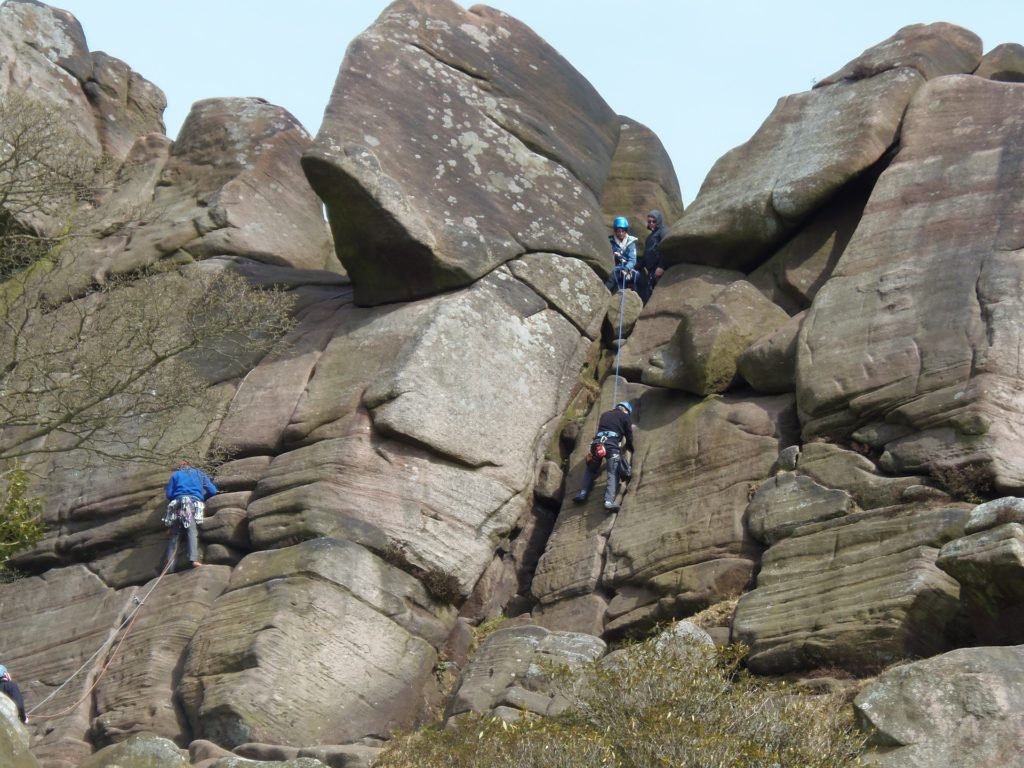
Rock climbing has quite the reputation for being on the dangerous side of recreation. It can be portrayed in many different ways and has a history of being a place where adrenaline junkies can get their fix. Images of Sylvester Stallone dangling off overhangs in the Hollywood film Cliffhanger might come to mind, or maybe a time capsule full of neon outfits on 80’s sport climbers. It’s a sport with a heritage rooted in exploration, rule breaking, and seeking adventure outside of the norm. It walks a fine line between exciting and dangerous. So, when you ask yourself, “is rock climbing dangerous?”, the answer is yes, but not a simple yes.
Why Rock Climb If It Is So Dangerous?
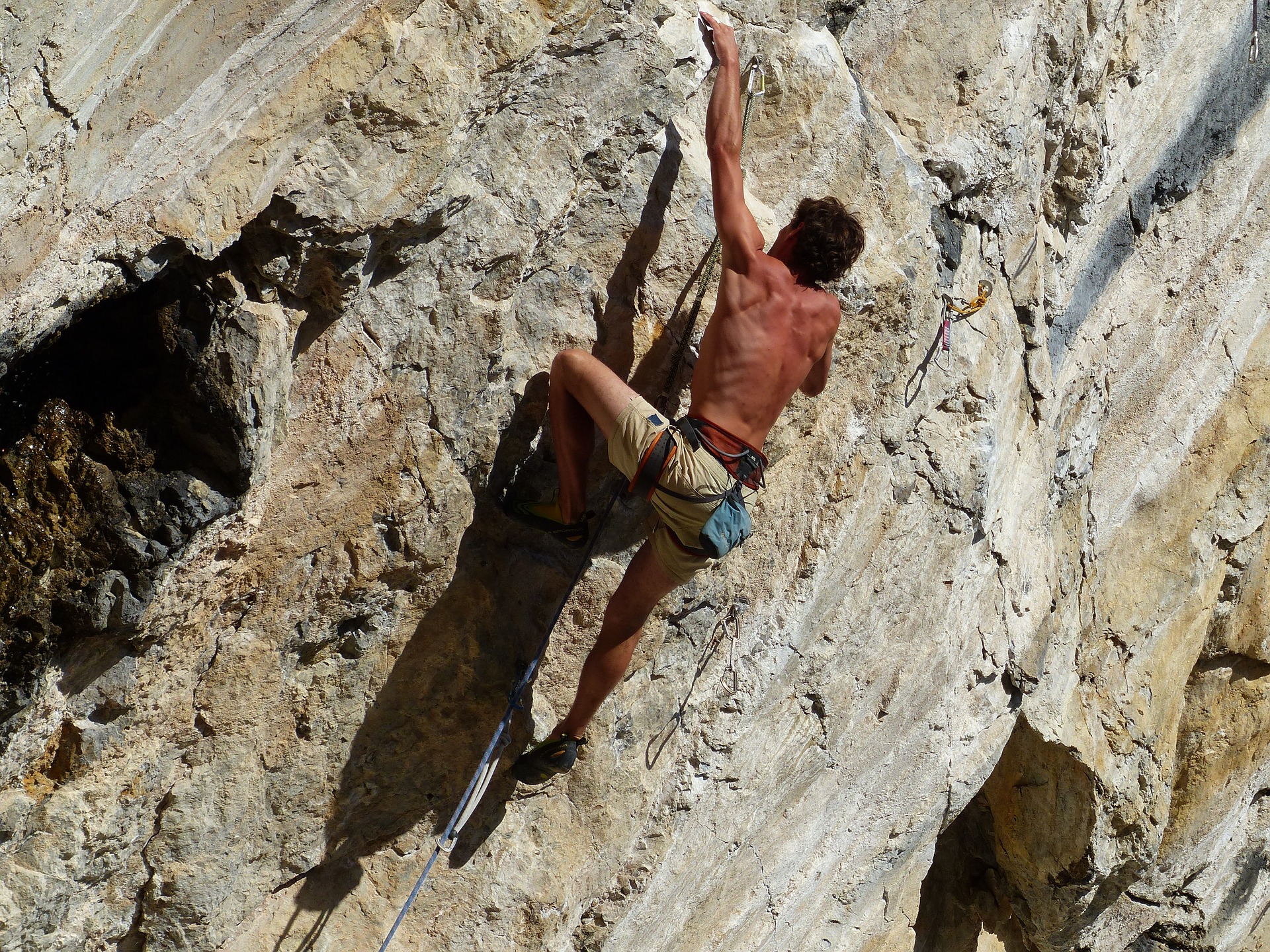
If it is so dangerous, then why do people do it? Bottom line is that rock climbing is exciting. It is a sport that requires problem-solving, focus, fitness, and adventure seeking. You might go as far as calling it an extreme sport in the sense that it seems unparalleled with any other sport. It requires a great deal of safety equipment, respect for the land and mountains, experience, and judgement. The list goes on, so again, why do people do it?
Spending Time Outside
Many people are drawn to rock climbing because they are seeking new ways to spend time outside. They may be inspired by a local climbing area, group of peers, or just sheer interest. The diversity of the sport allows climbers to explore all type of route selection, gear selection, and even climbing style.
Experience
Rock climbing provides a unique experience as a whole. Spending time outside, selecting routes and boulders, and making an attempt is the foundation of it all, but there is so much more involved beyond that. You’ll likely be able to make new friends and enjoy challenges with them while supporting each other. Your climbing comrades will help you check your safety gear, and forge partnerships with you on and off the ground.
Climbing tends to be one of those sports where there is never enough. As many people start to climb in the gym with simple, raw bouldering, they may soon be drawn to top-roping and later lead climbing. Bouncing back and forth between bouldering and sport climbing gives people opportunities to explore different disciplines and gain strength and technique at the same time. That might be the end of the line for some, but many begin to explore outdoor climbing and with that, many new doors may open over time.
Once you step out of the gym, it won’t be long before you are on a road trip to climb big walls or send sport routes with your friends.
What Defines Danger, and for Who?
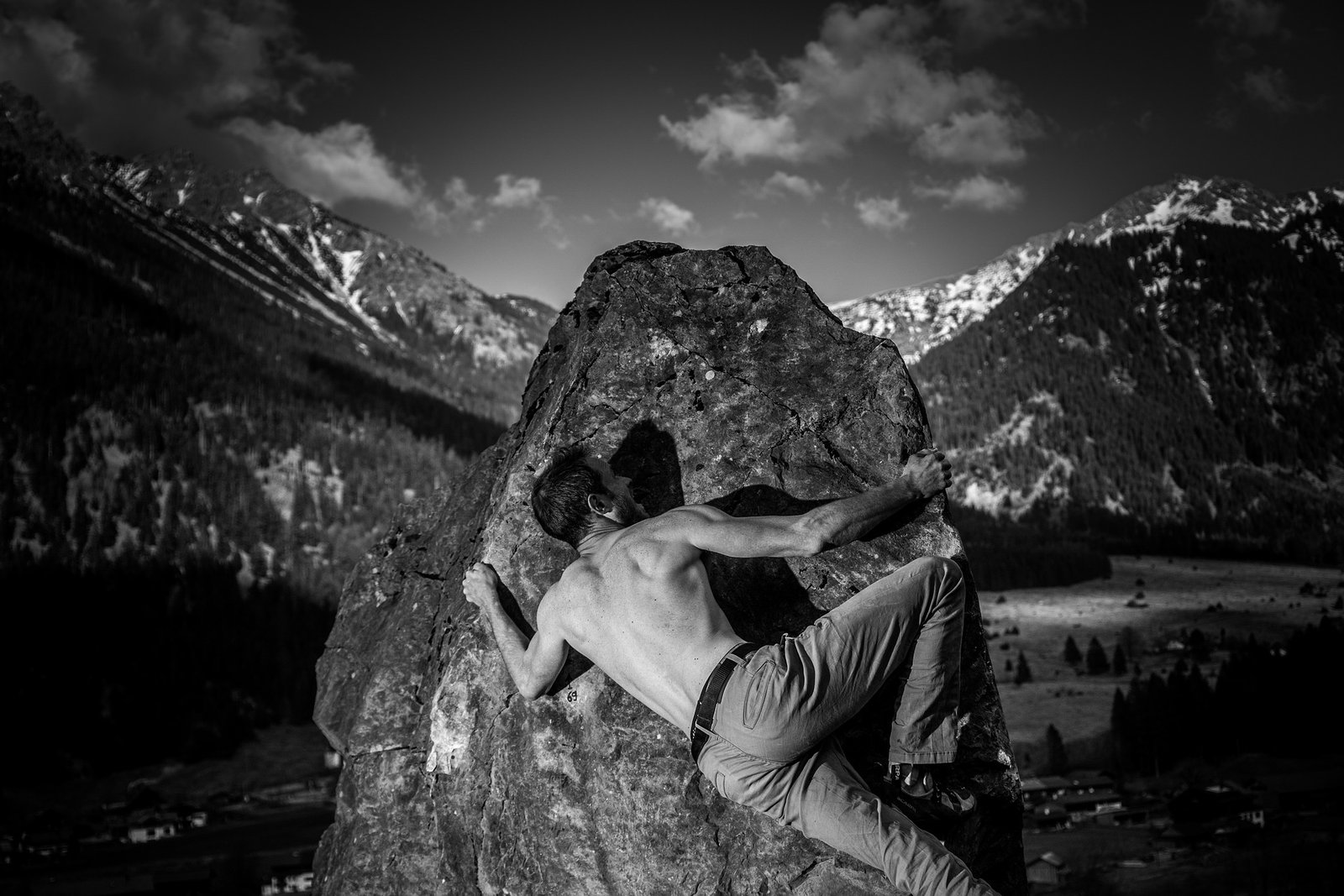
Sounds exhilarating, doesn’t it? Camaraderie, adventure, strength, and problem-solving, all compounded into one sport culture. It sounds like the perfect niche for adventure junkies, but at the foundation of it all is safety.
Climbing is dangerous and requires a great deal of risk-tolerance. This element of risk-tolerance varies among climbers and tends to shift and evolve with experience. It is important to try things out with safety in mind before negating them entirely. Someone might seem outlandish to you, while they are absolutely comfortable with what they are doing.
Know Your Gear
Climbing in the first place may seem dangerous enough to some that they wouldn’t ever try. Getting to know gear and how to use it, store it, and replace it properly will eliminate a large amount of perceived risk. Climbing gear is rated well above potential force levels, but it is important to use it properly. As you become more experienced, you’ll learn that much of the risk in climbing is related to human error. So, practicing rope work, communication, and gear maintenance is the best way to eliminate risk before you head out to climb.
Gear failure does exist; however, it is the climbing community’s duty to ensure that gear is safe. Many organizations exist to verify and replace bolts and anchors on sport routes, update beta, and share pertinent information in the climbing community.
Risk Tolerance
Risk-tolerance comes with knowledge and experience. It is possible to heighten your risk-tolerance when you are comfortable trusting your gear and your partner.
You’ll want to have the skills to catch a fall, feed rope, and communicate properly as a belayer, as well as clip draws, set anchors, and clean routes as a climber. When you are comfortable communicating your actions on a route with your partner, a lot of risk is eliminated from your day at the crag.
Experienced climbers often feel that rock climbing is not dangerous at all due to their long resumes and extensive experience.
What Factors Influence Safety?
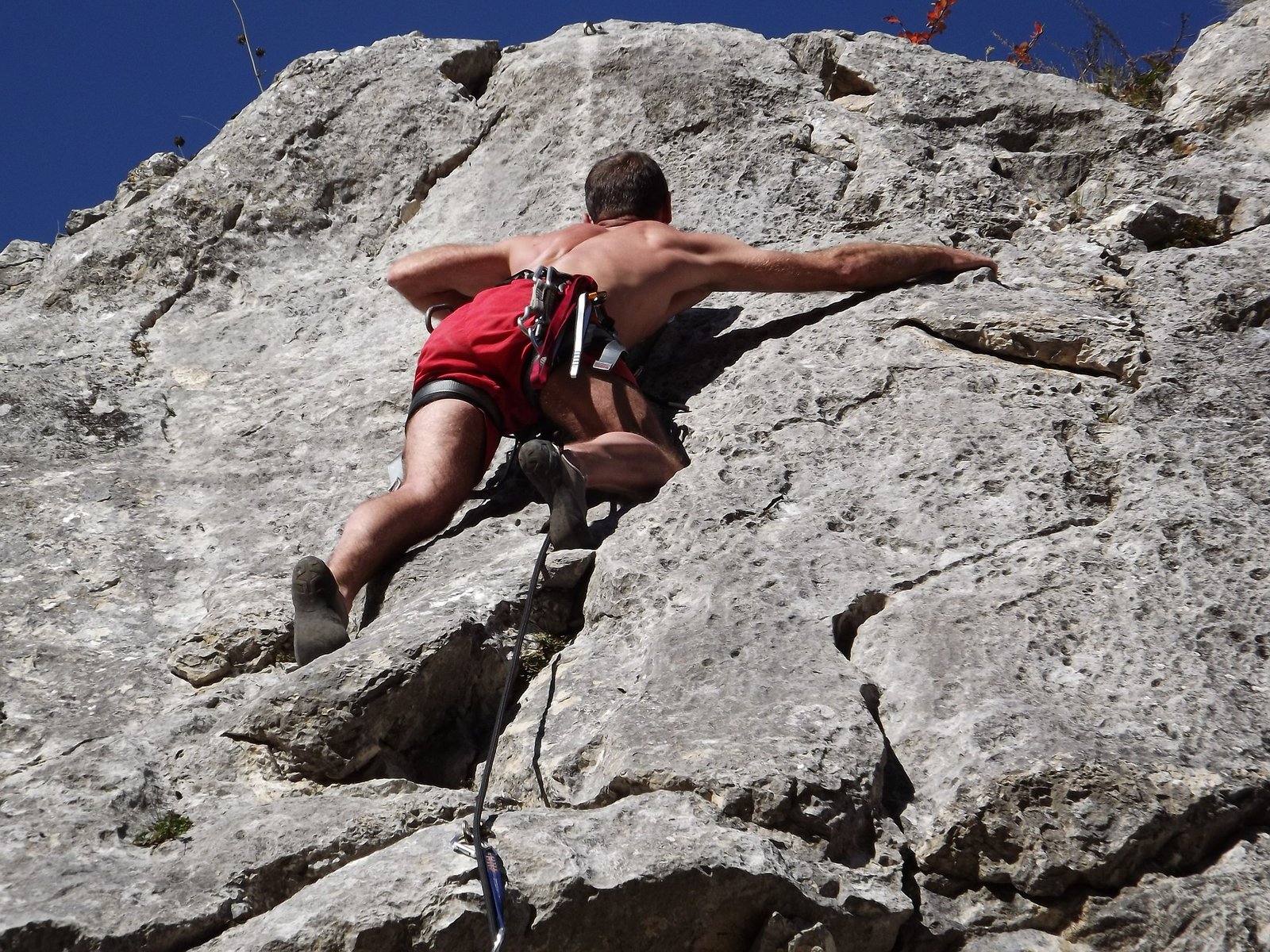
After discussing what danger is, it is easy to ask "is rock climbing safe?". Some of the factors that can influence rock climbing safety are human error, rock features, and weather. This may seem like a small list, but many elements of danger are rooted in these few factors.
Human Error
Human error is not simply linked to miscommunication, or a fall that leads to injury. It encompasses everything from safety checks, to route selection and beyond. Although the mountains and the weather that moves through them are unpredictable, the human factor still plays a huge role.
Knowing when to cancel plans or retreat due to weather or unpreparedness is important to safety. Checking your gear at home, reviewing systems and protection, practicing with partners, and completing regular safety checks and communication are all important parts of reducing risk.
Although it may seem a little bit depressing, reading about rescues and accidents can be very helpful in remaining an actively safe climber. Knowing what went wrong in the mountains can encourage you to remain safe and avoid complacency.
Rock Features
Rock features can be a big component of risk on a given climb. Depending on the type of climbing you are doing, a mishap with a rock feature can have variable consequences.
Rocks crumble and break, it is a reality in the sport. Having the proper safety equipment and skills to respond to rockfall or debris is an important part of staying safe.
Alongside rock features, overhead hazards such as trees or water features can create a lot of danger where you are climbing. Being aware of your surroundings and exit points is helpful in remaining safe.
Weather
The weather is a huge factor in the dangers of climbing. Weather in the places we climb is often unpredictable and dangerous. Mountain weather can shift drastically and even include electrical storms. Many types of rock are very conducive to electricity, which can leave climbers in a very dangerous situation if a storm rolls in.
Visibility, precipitation, and temperature are all things that weather can change and put climbers into danger. Always checking weather reports, being aware of your surroundings, and knowing when to leave can help keep you safe.
Types of Climbing and Their Dangers
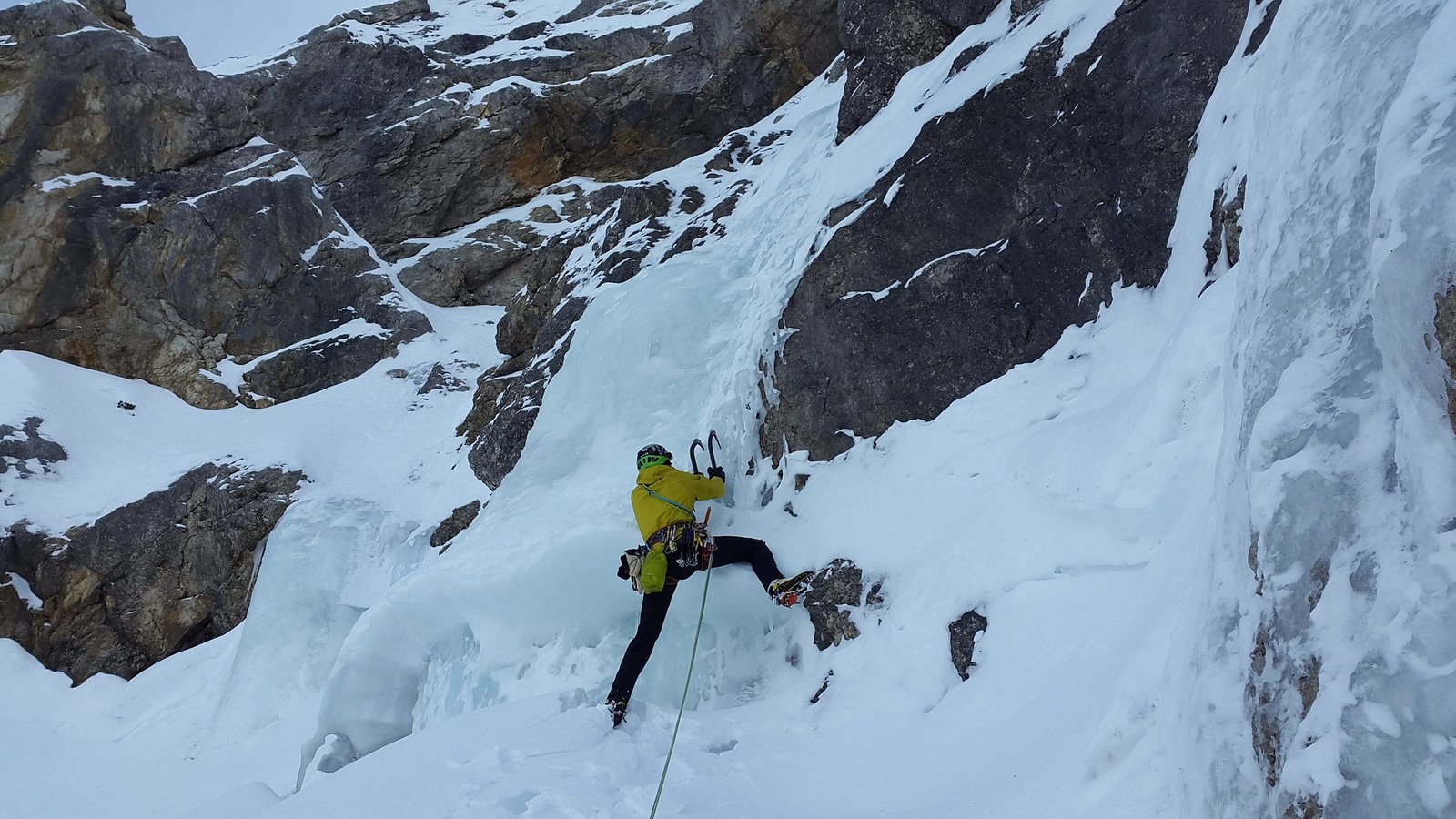
No matter which way you choose to climb, there are risk factors involved, and with that, safety precautions and risk-tolerance. With the vast diversity of the climbing world, comes the same in the risk department.
The dangers associated with climbing cannot be compounded into one category. Each style of climbing has its own dangers and looking at individual disciplines helps to understand what different types of dangers are associated with which type of climbing.
Indoor Climbing
Indoor climbing may be considered one of the safest types of climbing because it takes place in a controlled environment. There are some risks involved when you head to the gym, and most of these are due to falling. Especially if you are learning to climb at the gym, your technique might not be as advanced as someone who has been climbing for many years.
Lack of technique and strength lends to more falls. If you are pushing yourself and climbing above your grade, you’ll need to be prepared for plenty of falls.
So, is indoor rock climbing dangerous?
Yes it can be, and it is possible in a gym that equipment may fail, so make sure you attend a gym that boasts safety and regularly checks routes. If you are suspicious of a loose hold or bolt, talk to the staff at the gym.
Outdoor Sport Climbing
Climbing becomes a lot more dangerous when it takes place outdoors. The wilderness is an uncontrollable place, so taking control of as many safety measures as possible is the best approach.
When outdoor rock climbing, falling is a huge factor as holds may break, debris may fall, and there are no comfortable mats to land on like at the gym. Falling while lead climbing can be a lot more dangerous outside than at the gym, especially if you climb trad where your gear can pull out from the wall.
Bouldering
Different from what you usually see in media visibility of rock climbing, bouldering is a type of climbing that involves small routes and powerful moves, but no ropes.
You may be wondering, “is bouldering dangerous?”.
Yes, it can be.
As with all climbing disciplines, bouldering is dangerous, and despite taking place on small rock features, it has its own dangers. Falling is one of the biggest dangers in bouldering.
Boulder problems often require climbers to climb under large roofs, find foot holds above your hands, and even match foot and hand holds. This lends to particularly dangerous falls because your body is often in a position that doesn’t allow you to get your feet back under you while falling.
Free Solo
Free solo climbing might be considered one of the most dangerous types of climbing out there. Some may wonder if there is a way to stay safe while free soloing at all. The dangers in free soloing come directly from the climber’s risk-tolerance. Whatever grade they feel they can climb confidently is their prerogative.
But what happens when climbers start to push their grade without ropes? That’s when the risk-tolerance becomes extremely high, and so does the accompanying danger. It seems that the higher the calculated risk is, the more dangerous the climbing is.
Trad Climbing
The dangers of rock climbing with trad gear are different than that of sport gear. Some say that trad is safer than sport climbing because the leader is responsible for placing their own protection, and thus, maintaining it. You’ll know exactly what your gear has been through and can choose when to retire it, where at a sport crag, you might not know when the bolts were last replaced or even checked by an experienced professional.
The danger with trad climbing is that because you are placing your own gear, you run the risk of not placing it properly and it not being able to protect you. Many rock climbing deaths and injuries are due to climbers setting improper protections with trad gear.
Alpine Climbing and Mountaineering
When climbers get into alpinism and mountaineering, the dangers grow, but so does experience. You’ll need a lot of knowledge and experience before heading deep into the mountains. Many more natural factors come into play here such as snow, ice, and glaciers. You’ll be toting way more gear, and hopefully the knowledge that comes with using it.
Many alpine climbers and mountaineers have a deep understanding of the dangers that mountain travel comes with but are prepared with the appropriate safety gear to be confident while travelling.
Statistics
After reviewing 30 years of Accidents in North America reports) on climbing accidents, Gripped Magazine produced an article that highlights rock climbing danger statistics.
So how dangerous is rock climbing? It was concluded that trad climbing is the most dangerous type of roped climbing resulting in three times the number of accidents as sport and top rope combined. As per data from Accidents in North American Climbing (ANAC), trad accidents make up 63% of all roped accidents. The most common causes of trad accidents are failed protection, no helmet, and rappel failure.
Top rope accidents are primarily made up of anchor failures, not wearing helmets, and rockfall, where sport accidents are most commonly caused by not having backup or end knots, or belay and lowering mistakes. The report shows that of all errors, rappelling descents is the most common.
Safety Tips for Climbing
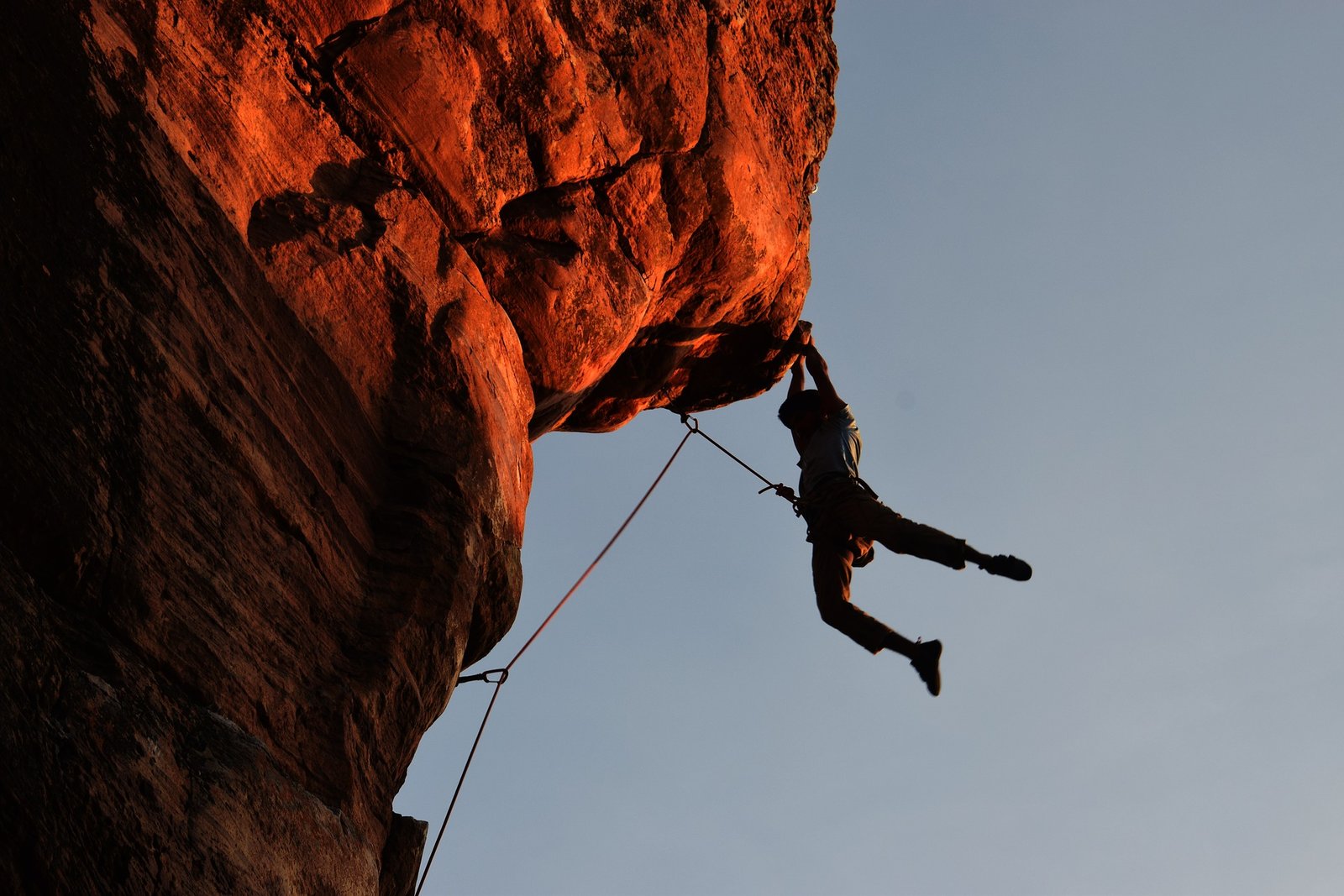
The risks of rock climbing are combatted by safety measures, and making safety checks a part of your climbing routine is vital to your success. Climbing has evolved at a rapid pace, and climbers, guides, and brands have seen it all.
As climbing evolves, it is clear that safety is at the forefront. Gear is focused on reliability and durability, while education is focused on accountability. The safest thing you can do in climbing is be accountable for your safety and those around you.
Things you can do to eliminate dangers require practice and repetition. Start routines that involve checking all your gear, storing it properly, and replacing it when necessary.
Many ropes have expiry dates that might not show up through visible wear and tear. Big falls or too much top roping can affect the core and sheath of the rope to a point of retirement. Practice your rope systems with multiple partners and find what preferences work best for you and communicate that with your partner.
Take courses, learn rock rescue, and check your gear regularly. Practicing safe climbing will take significant amounts of danger out of your climbing equation.
Conclusion
So is rock climbing dangerous? It becomes apparent that the more a climber knows about the sport, the easier it is to practice safe rock climbing. With so many disciplines in climbing and variable factors that have an effect on safety, you'll want to learn the risk factors associated with your discipline. We all know climbing is dangerous, but it's up to climbers to lower risk factors by playing it safe.
It seems so simple to talk about dangers, safety, and risk-tolerance. All of that ranges from beginners to experienced climbers. Whether you are bouldering, mountaineering, or lead climbing, you'll learn the dangers of what you are doing quickly. We know about human error, changes in environment, and injury, however it is rare to find information on the psychological approach to the dangers of climbing.
It's All Up To You
You may approach a climb full of fear, looking for dangers constantly, and that could be something that prevent you from ever leaving the ground. However, others may approach a wall boasting confidence to the extent that their ego is emanating through the belay stations. Climbers all have different psychological approaches to dangers and finding a middle ground is difficult. It comes down to being confident but not complacent. Safe but not too reserved. Aware but not negligent. This creates a double standard, and a climber's psychological approach will generally guide them into the discipline that best suites them.
Putting in the work to become educated on risks and safety measures can define your psychological approach to climbing. You'll be able to maintain your gear and choose partners wisely, all in a way that eliminates some dangerous factors from your climbing equation.
Starting with indoor climbing can make all other climbing seem extremely dangerous, but it is a great place to learn how to communicate with partners, have those with experience watch over your rope skills and technique, and even drop in to workshops and clinics.
Moving out of the gym and off the ground requires a nod to safety, and with time, a lot of experience. It is key that climbers make their own decisions about safety, and with that autonomy, comes a regard for the dangers of climbing.
Pingback: Best Quickdraws for Climbing: Expert Guide & Reviews - Sendgeance