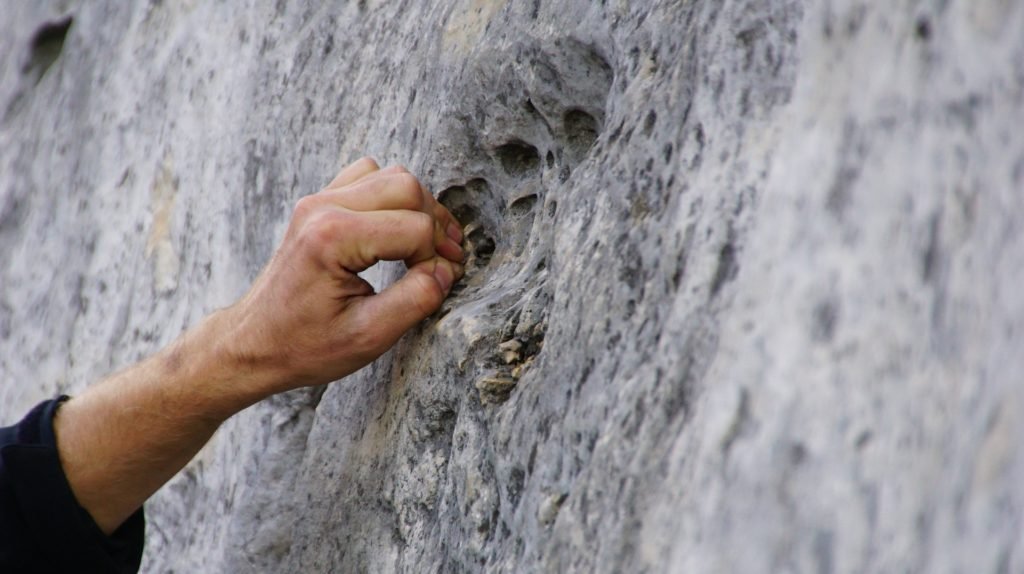
Whether you're new to climbing or a long-time sender, you know that dry, cracked, and flapping skin is part and parcel of the sport. Climbing relies on friction, and a lot of that friction is directly placed on the skin. Friction helps a climber grip holds, yet simultaneously is the culprit that may tear your skin.
Your skin is always too soft or too hard, too thin, or too thick, and there comes a point where you'll want to consider adding a balm, salve, or lotion to your climbing skin care routine. Here is everything you need to know when looking for the best climbing balms.
What is a Balm?
Climbing balm is applied to the skin to retain moisture, repair damage, and heal wounds. Balms are often referred to as salves, lotions, and rubs, however many of them share similar properties.
Generally, a climbing balm will be a thicker substance containing beeswax, shea butter, essential oils, and other natural ingredients. Climbing specific balms are made with the intention to be used as a hand repair product in your skin care routine that can combat the rigours of crimps, pinches, and even jugs. A good hand balm for climbing will be thicker than a regular lotion and contain ingredients that can absorb into your skin quickly and contain some healing properties.
Why is it Important for Climbers to Use Balms?
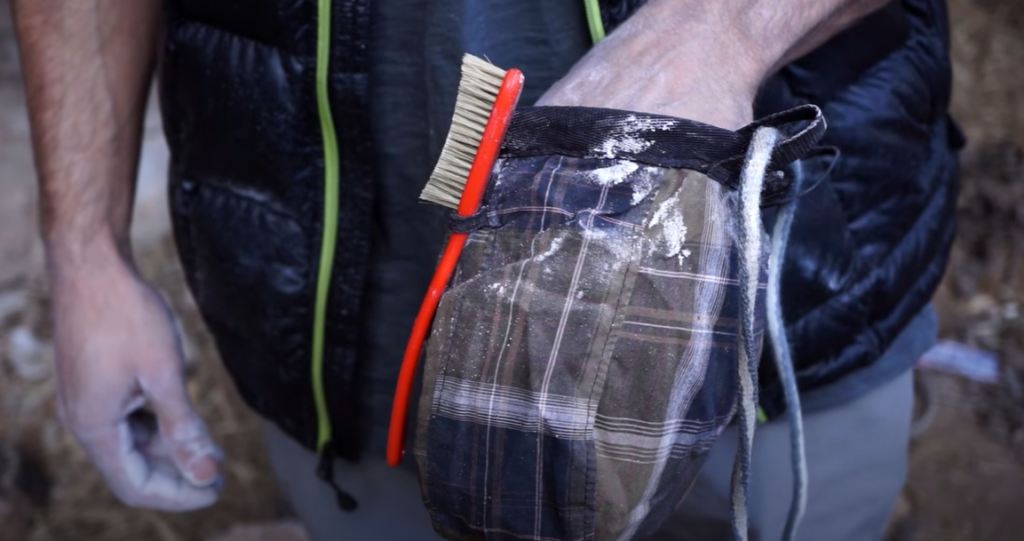
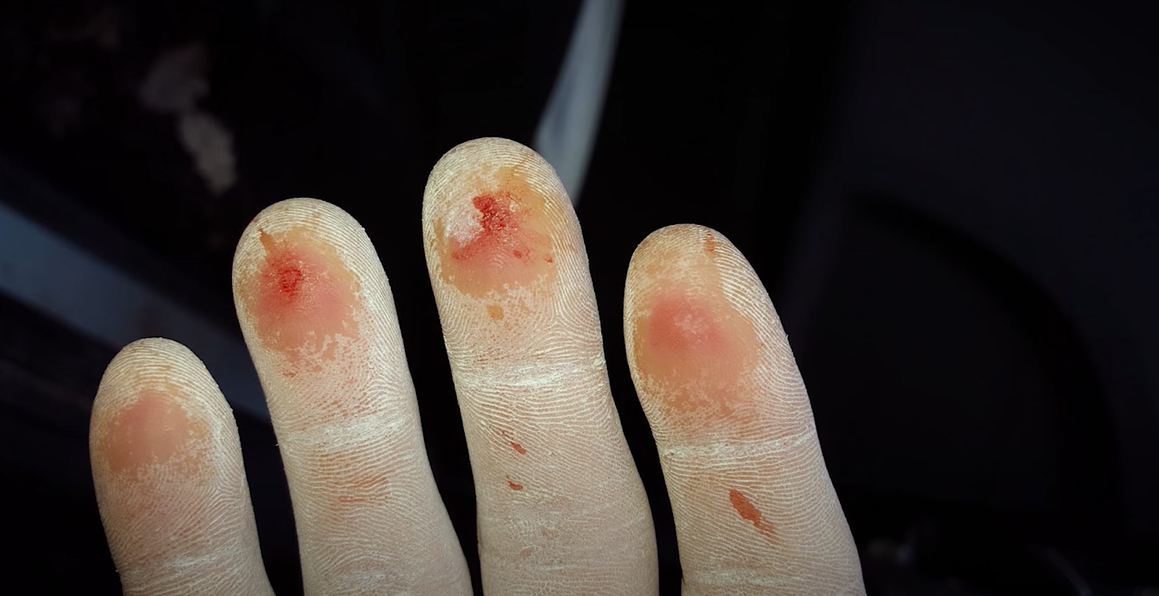
It's important for climbers to take care of their skin. When starting out or after a long break from the wall, your skin will be too soft to withstand the constant pressure put on your hands. Chalk helps keep skin dry while climbing to aid in friction while gripping holds, however dry skin cracks and splits easily while building up calluses to protect your hands. You need to be mindful to moisturize your hands after climbing sessions to prevent bad cracking, splitting, and the dreaded flappers that occur all too often. Calluses form on tough skin and reach a point where the skin on your hands becomes too thick and can easily rip off; flapper style.
It is important to also nourish the hardwearing skin to prevent cracks, splits, and flaps. Balms are the answer to all kinds of hand repair, it is just a matter of finding the right one to use for you, your skin, and your climbing style.
Climbing balms are designed to deeply penetrate rugged skin and work more like a leather treatment than a simple drugstore hand cream. One of the common ingredients you'll find is beeswax. Beeswax has many medicinal properties, but most importantly works as a humectant. This means that when in use, the beeswax moisturizes the skin while also drawing moisture from the air and pulling it into the skin to continue to moisturize. It tends to add a protectant layer to the skin that is also anti-bacterial and anti-inflammatory. This makes for an excellent ingredient for climbers trying to both strengthen and protect the skin on their hands.
When searching for the best climbing balm to use, you'll want to look for something with natural ingredients that can heal, repair, and strengthen the skin on your hands.
What's The Difference Between Balms, Bars, Creams and Salves?
The main difference between balms, bars, creams, lotions, and salves, is the consistency and ingredients. You'll want to look for what's best for you and your needs. What works best for your partner or favourite pro, might not be what's best for you. A climbing salve, balm, lotion, etc. usually comes in a highly dense and concentrated format ready to penetrate the skin. Other common ingredients found in a climbing balm are cocoa butter, shea butter, lavender, tea tree oil and almond oil. A unique recipe must be formulated to address the rugged nature of rock climbing.
Balms
A balm is going to be something of medium consistency that will be able to absorb into the skin quickly. Balms can be focused on different skin issues and advertise drying, healing, or moisturizing effects. Often sold in a small tin, a little balm goes a long way.
Bars
Climbing bars such as the ClimbOn bar are small bars that you rub over your hands and allow the product to melt into your skin. Bars can be very popular, and often put natural ingredients to use to soften skins and repair the hands with a more moisturizing effect.
Creams
This work as a general moisturizer and climbing-specific creams will have ingredients that have been selected for post-climbing use. Creams are a great option if you are looking for a simple and easy hand repair solution to follow-up your sessions with and maintain supple hands.
Salves
Salves are often the densest of all the options made to penetrate deeply like a balm. A climbing salve will usually be made up of hearty organic ingredients with the intention to heal your skin. A salve might seem greasy or sticky as they are often made up of oils and waxes to give your skin as much moisture as possible. If you are looking for something with more of a healing or first-aid purpose, a salve would be a great option when searching for the best climbing balm.
What's In a Balm?
Climbing balms are made up of various ingredients, commonly natural, medicinal, and organic. All-natural ingredients ensure that balms are gentle to the skin. You may have shredded skin, flappers, or new calluses forming that require a healing balm, so you’ll want to make sure your balm has the ingredients you need.
Ingredients to Consider
As mentioned before, many balms have a beeswax base that allows it to absorb moisture and draw it into the skin deeply. Alongside beeswax, you’ll see other holistic ingredients such as shea butter, vitamin E, medicinal herbs and flowers, and various oils. Each balm is unique in its ingredient list, and each ingredient list will provide a different effect on your skin.
Medicinal Plants
Some medicinal plants such as comfrey, calendula, arnica, and chamomile are common ingredients in healing balms as they all contain anti-inflammatory, or anti-bacterial properties. If you are using a product containing arnica, make sure you use it externally only, and never on an open wound. Calendula is better used for open wounds such as scrapes and splits, as it can heal internally as well. Tea tree and lavender essential oils are commonly added to balms for their anti-bacterial properties.
If you have nut allergies, watch for coconut oil and sweet almond oil, which are often used for their skin-penetrating ability.
It’s always a good idea to find a balm that has an ingredient list you can recognize or easily search. You’ll want to avoid putting harsh chemicals on your skin since climbing environments are so harsh themselves. There aren’t many salves on the market that aren’t labelled as organic or plant-based, so you won’t have a hard time looking for the right one to use.
How To Choose The Right Climbing Balm
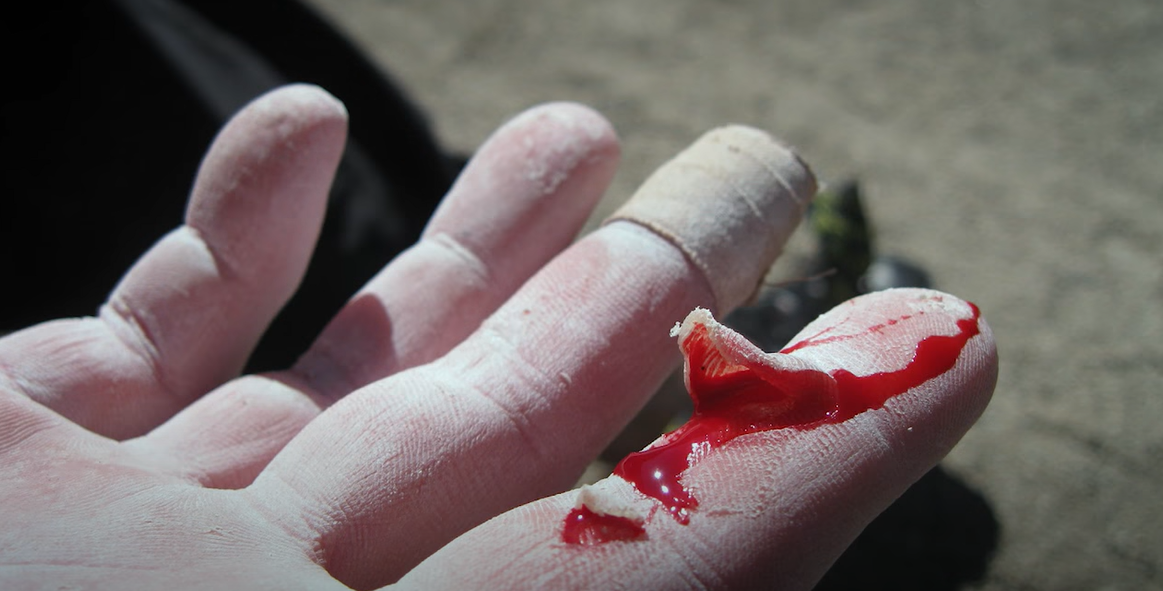
When it comes down to which balm is best for you, you’ll want to decide if you are looking for an all-purpose product, or something specific to your needs. That may mean you’ll be throwing a few different balms into your climbing pack or first aid kit. It’s nice to have a general moisturizing balm or lotion post climb, but it’s also nice to have something specific to healing flappers, splits, cracks, and abrasions, or something to nourish your calluses without softening them. A little goes a long way with balms and salves, so usually a 1oz tin is plenty to get you through a season.
Application
When you try different balms out, it’s easy to notice what type of texture and consistency you like. Beeswax and oil-based products will leave your hands greasy but penetrate the skin and draw in plenty of moisture over time. These are best used post climb. A product that consists primarily of shea butter will be quick absorbing and have softening properties that some climbers don’t like. Products like Rhino Skin Solutions contain chemical drying properties that actually dry out your skin similar to chalk to maintain tough skin while climbing.
Intended Use
Every climber’s pack needs an all-purpose balm. An all-natural climbing salve such as Joshua Tree climber’s salve is perfect for anyone who wants something simple to apply at any time that will provide some moisture and natural healing to their hands. Organic ingredients are perfect for all-purpose solutions. If you are climbing in the gym on plastic holds and tend to be pulling flappers off regularly, you’ll probably be interested in a healing salve such as Green Goo first aid salve. Natural ingredients specifically for healing skin abrasions will help you get back on your project as soon as possible.
Recovery
Moisture retention recovery is an important component of choosing a balm. Rhino Skin Solutions performance lotion takes eight hours to be absorbed efficiently as it is a drying product. Joshua Tree climbing salve is a great all-purpose salve that is absorbed within twenty minutes and can be used right at the crag if needed. Something like ClimbOn lotion bar is best used after climbing to moisturize and repair as it may take longer to absorb.
Top 6 Effective Climbing Balms
1. Joshua Tree Climbing Salve


An unscented, all-purpose, and all-natural salve, this is one of the most popular salves in the climbing world. Born in the harsh elements of the desert, Joshua Tree products can combat the worst. Plenty of medicinal organic ingredients make up this tough salve that absorbs within twenty minutes after use. You can apply Joshua Tree salve any time without worrying about greasy residue or long absorption times. No softeners are added to this product, so you won’t have to worry about wrecking your precious calluses.
2. ClimbSkin Hand Repair Balm


Cream based balm that doesn’t feel waxy or greasy helps moisturize and heal hardened hands. Endorsed by Chris Sharma, you know this product from ClimbSkin is going to be good. 100% vegan and not tested on animals ensures that this product meets are your holistic healthcare needs. This cream type product is unscented and absorbs well, meaning you won’t be waiting around with greasy hands before you jump on the wall. You can put this cream to use anywhere, anytime!
3. ClimbOn Lotion Bar


The ClimbOn lotion bar comes in a tiny bar shape inside a tin, allowing climbers to rub the bar between their hands rather than scooping out a portion from the tin. It is beeswax based, which is great for moisture retention, yet not the best for immediate use. Apply ClimbOn after a day out and allow it to sink into your skin with its all-natural formula. This is another one of the most popular balms on the market and endorses by Tommy Caldwell. So, if you think you’re ready for the Dawn Wall, you might want to add a ClimbOn bar to your skin care and get your hands in shape!
4. Metolius Hand Repair Balm


Beeswax, shea butter, and medicinal plant oils make up this top-grade product to add to your climbing skin care. Antiseptic plant ingredients make this an excellent healing balm for chapped, torn, and rugged skin. Medicinal plant ingredients in this formula are great for regenerating skin that has been scrubbed off from the friction of climbing. Nourishing ingredients may have an effect on your toughened calluses, so be aware this is a moisturizer that may soften your skin when in use. This makes a great boulder balm for climbers who spend most of their time topping out on difficult problems and require constant nourishment in their climbing skin care routine.
5. Green Goo First Aid Salve


One of many products in the Green Goo lineup, this first aid salve is specifically designed to heal wounds and abrasions on the skin. If you are prone to scrapes, splits, cuts, and torn skin, keep this salve in your pack or first aid kit. Use on wounds, sunburns, chapped skin, blisters, chafe, and cracked skin as a first-aid solution. You’ll see the 20 different plant ingredients included in action when you start using this in the elements. It’s harsh out there and having a salve that can repair your skin after you beat it up is important.
6. Badger Balm for Hardworking Hands


This balm is oil-based unlike many of the beeswax-based balms. It uses olive and castor oils that deeply penetrate the skin and draw in moisture; however, these are not suitable for applying in the middle of a climbing session. You’ll want to apply this one at the end of the day when you can really let it sink in. Badger Balm makes many different balms all with certified organic ingredients and this one is a simple hand repair balm, cruelty-free, and gets the job done. Badger Balm is a great option for an all-purpose post-climb solution to hardened hands.
Summary
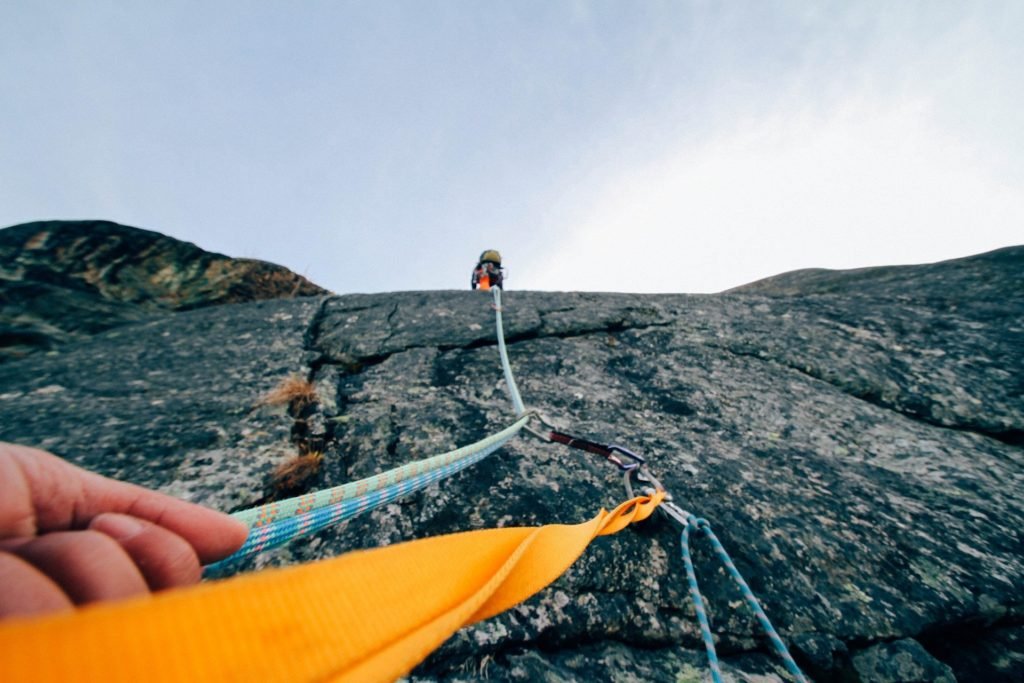
Climbing is tough on skin and finding a hand balm to use that can keep you climbing is really important. You’ll notice your skin will look different depending on the kind of climbing you’re doing. The excessive chalk on plastic holds at the gym can dry you out deeply, promoting future cracks and abrasions. A long multipitch spent handling ropes might chap or chafe your skin until it is feeling raw and in need of regenerative aid. A day out at a pumpy sport crag could leave you clipping and filing the flappers off your fingertips and searching for something to heal you quickly.
So, once you have decided what your skin needs, it’s time to pick up a climbing balm. And don’t be trapped into a single-use product, due to the nourishing natural ingredients in most of the products we listed, you can use a climbing balm on your feet, lips, sunburn, chafe, and scrapes. We all get beat up at the crag, and it’s time to start taking care of ourselves.
Best Overall Balm
Finding the best climbing balm depends on your climbing style, but overall the best all-purpose salve would be the Joshua Tree Climbing Salve. It’s natural, organic, medicinal, and fast absorbing. You can lather this on any time without having to worry about if it will leave you feeling greasy before you get on the route. Picking up some Joshua Tree Climbing Salve is the best way to cover your bases no matter where or what you’re climbing.
Conclusion
Most of the best climbing balms out there come in various size containers making it easy to grab a small portion to try out. You’ll be surprised at how long a one-ounce tin can last when you are using such concentrated formulas. The best way to choose a climbing balm is to try them out! Pick up an all-purpose balm or something specific to moisturize, regenerate, or heal your hands, and try it out after your next climbing session.
Pick up a balm that seems right for you and your skin care and start using it. Your skin will come back faster than ever, and you’ll be surprised how often you’ll end up using it. It won’t be long before your friends and climbing partners start asking you for a scoop of your salve.